NORAD Santa Tracker
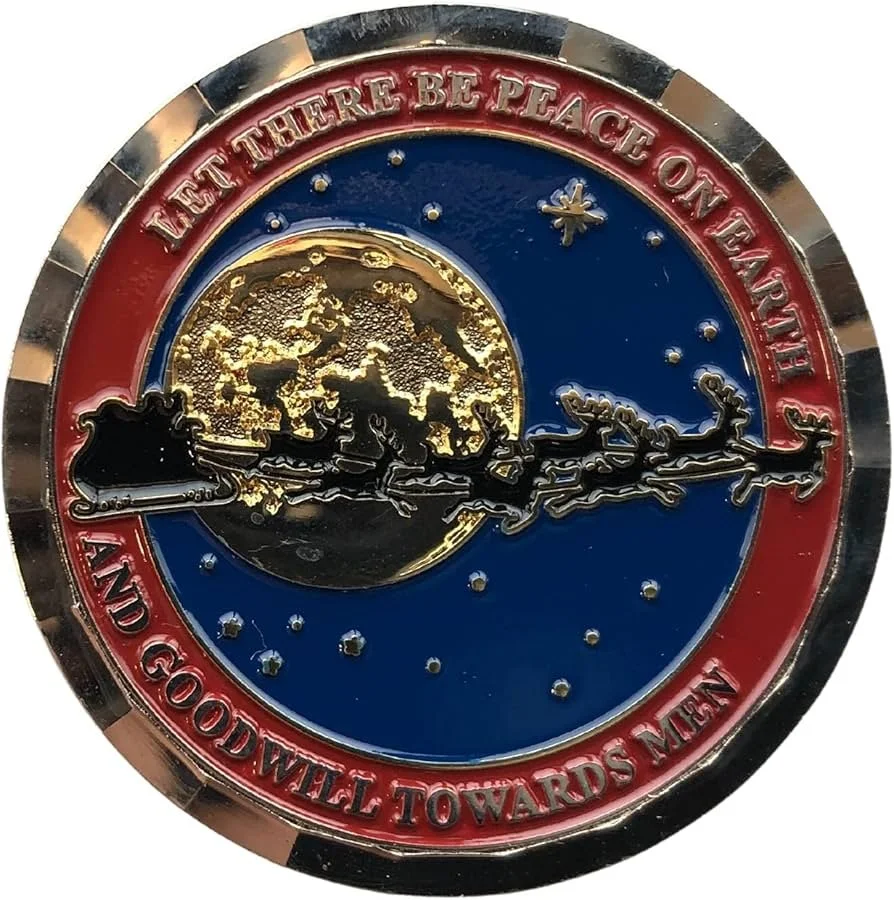
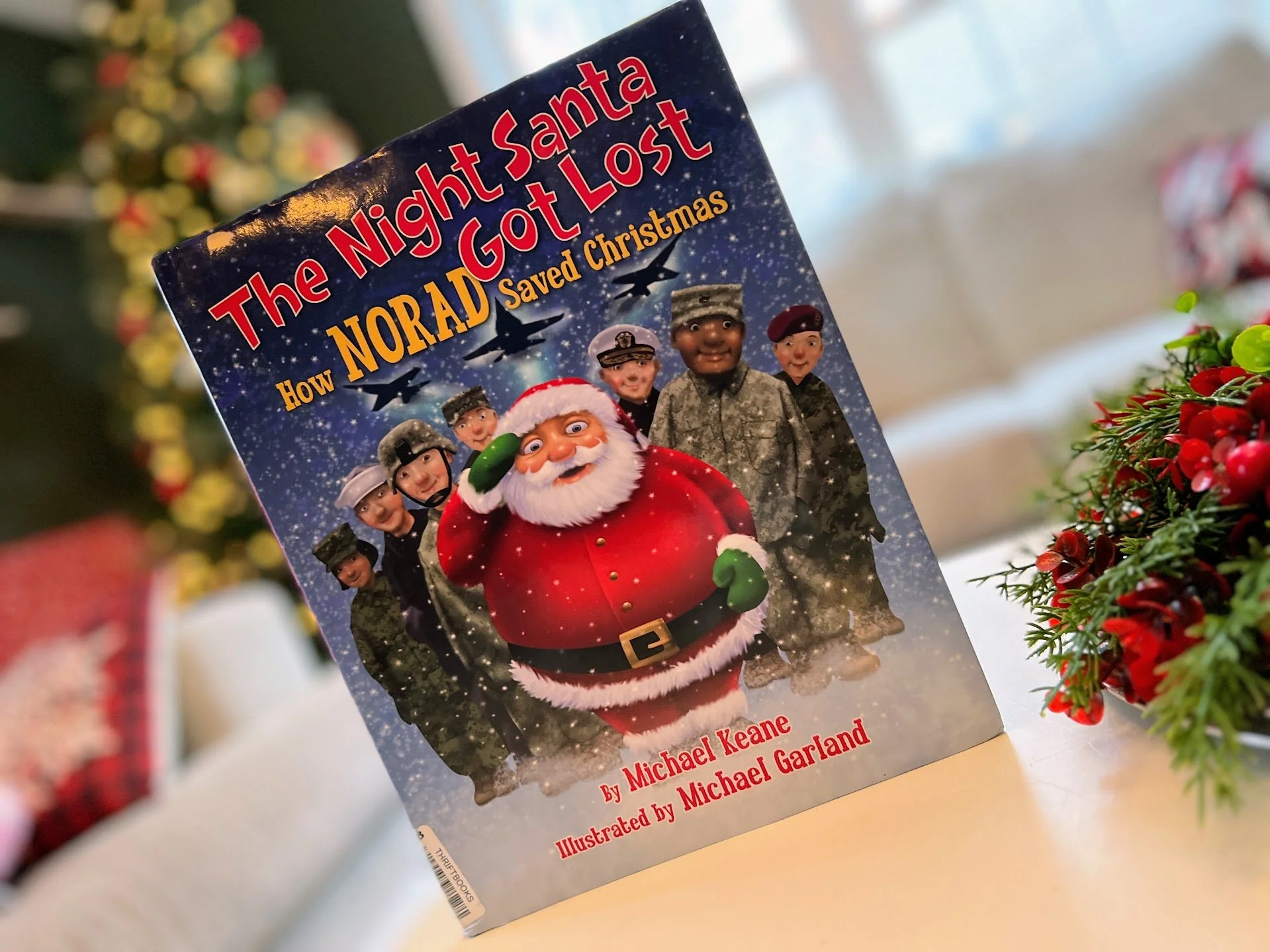
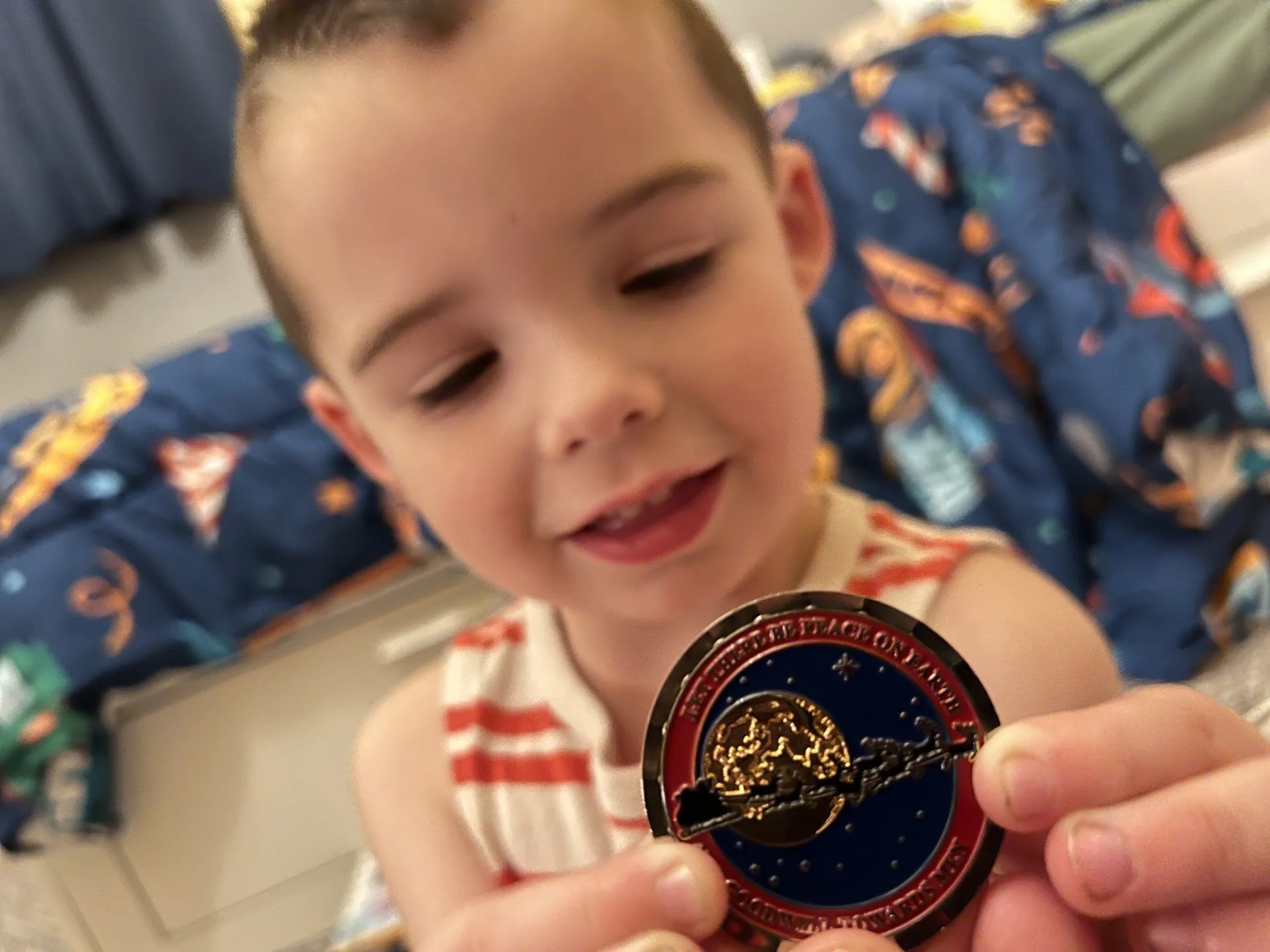

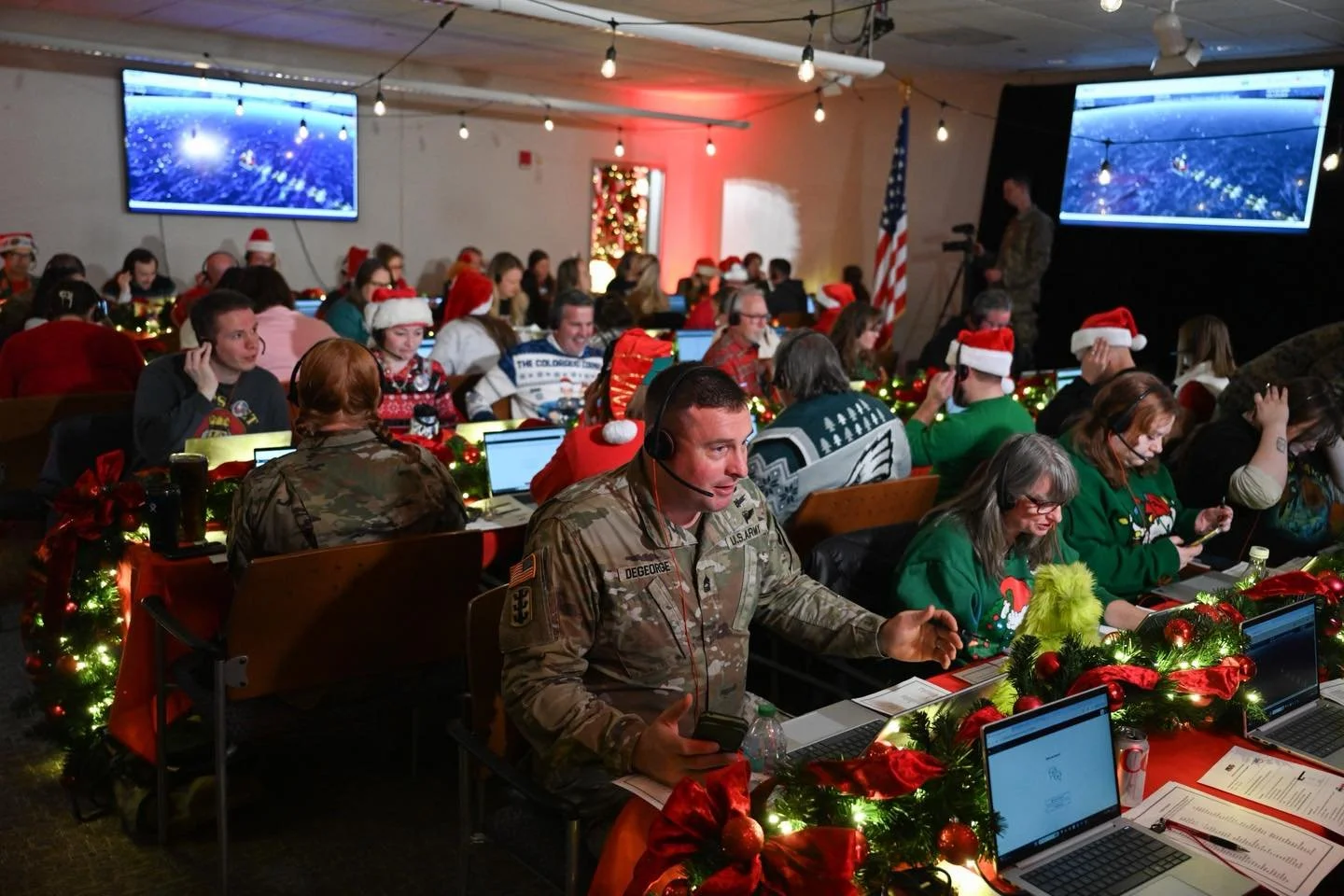
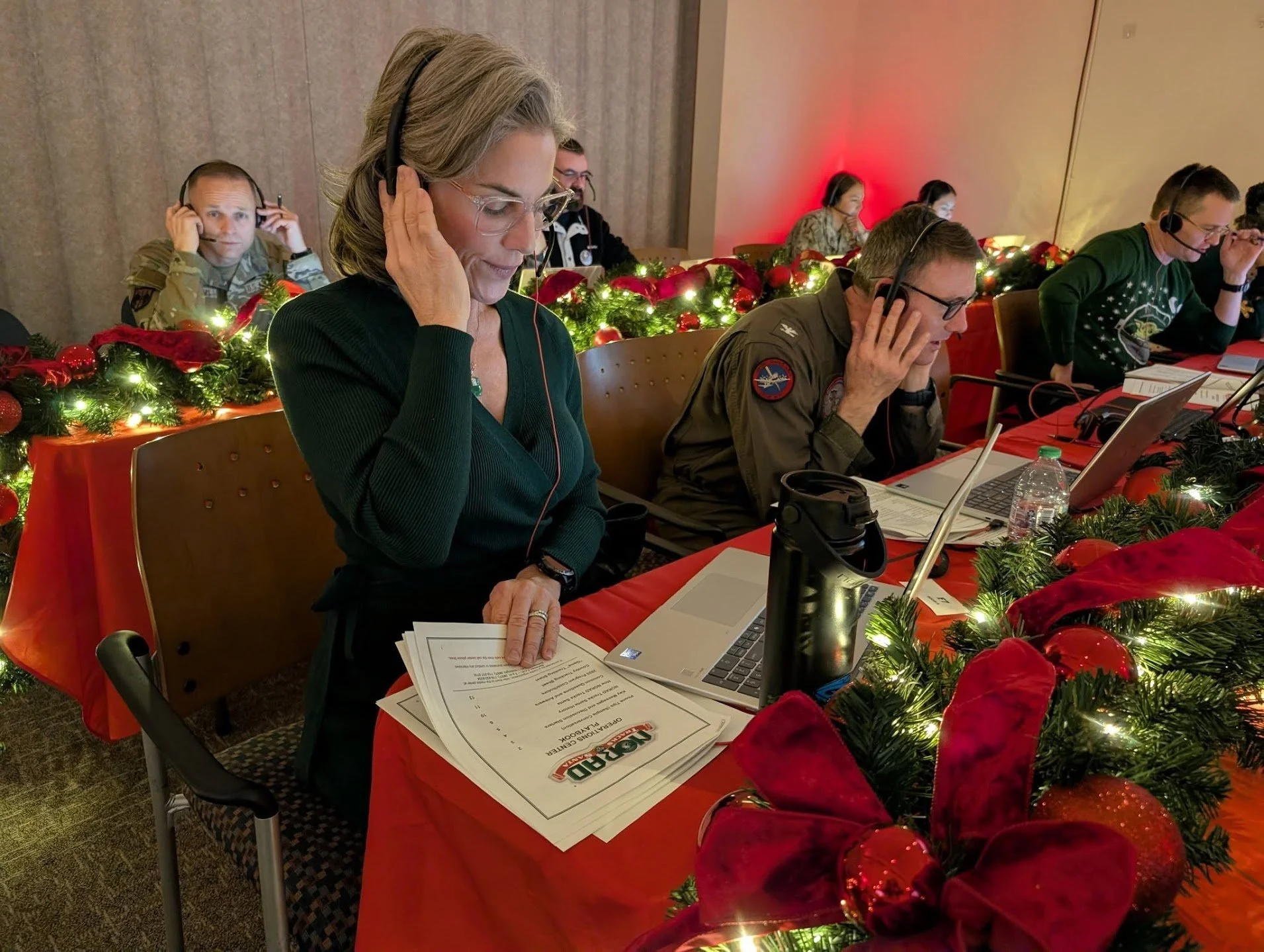
Christmas Eve for our family is shaped less by the clock and more by movement—specifically, by Santa’s progress across the world as tracked through the NORAD Santa Tracker. That tradition began in 1955 with a misprinted department-store advertisement and a Cold War air-defense officer who chose to answer children’s calls with generosity instead of dismissal. When the Continental Air Defense Command became the North American Aerospace Defense Command in 1958, the practice continued, evolving into a fully staffed Christmas Eve program that uses the language of real radar, satellites, and aerospace monitoring to translate Santa’s journey into something children can follow and understand.
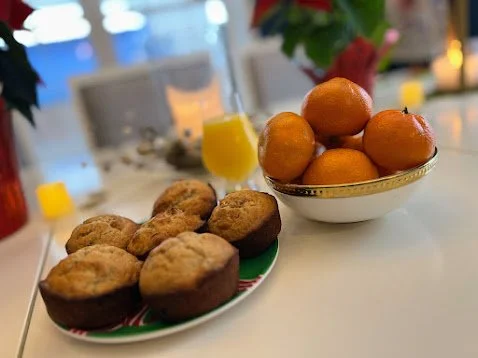
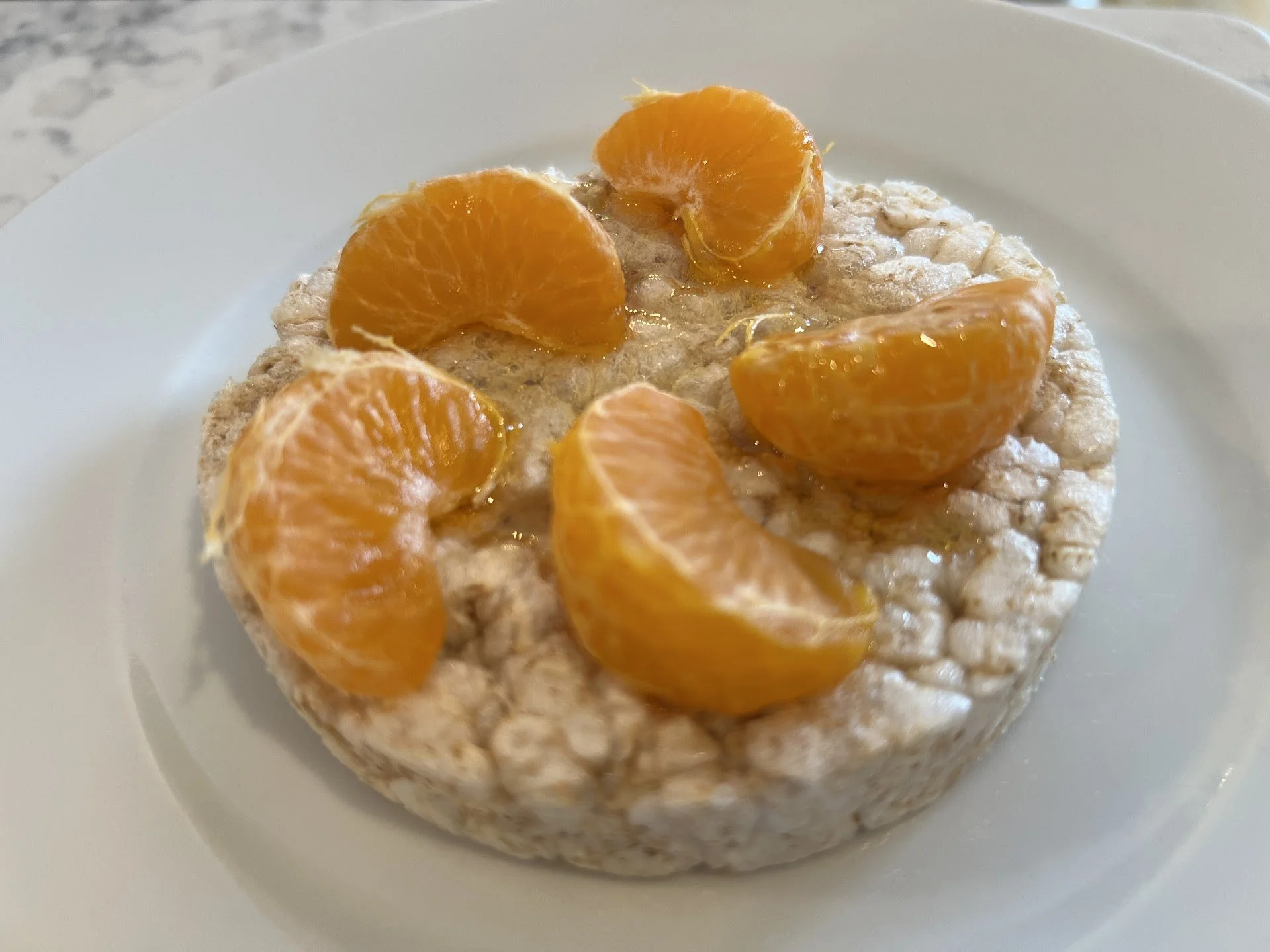
Our day opens with food tied to the earliest parts of Santa’s route. Mincemeat muffins anchor the morning, drawing from British Christmas traditions that traveled throughout the Commonwealth and into places like New Zealand. Rich with spice and history, they are descendants of medieval English Christmas puddings and pies, grounding the day in real culinary tradition rather than novelty. Oranges follow, reflecting customs found across China, Russia, and Eastern Europe, where citrus fruit once symbolized health, prosperity, and winter abundance and was often the most special gift of the season.
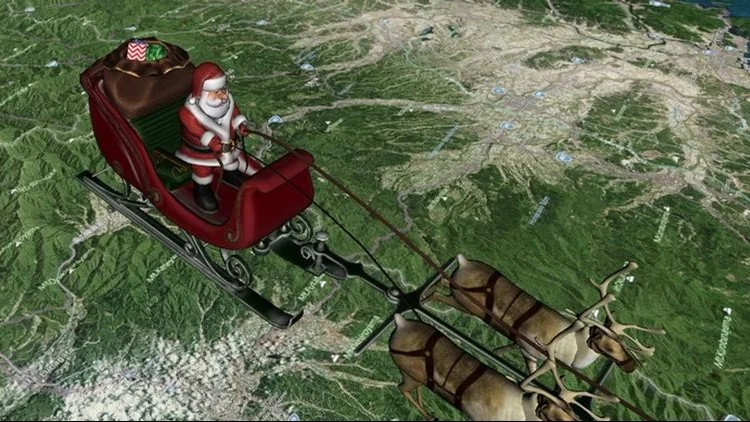
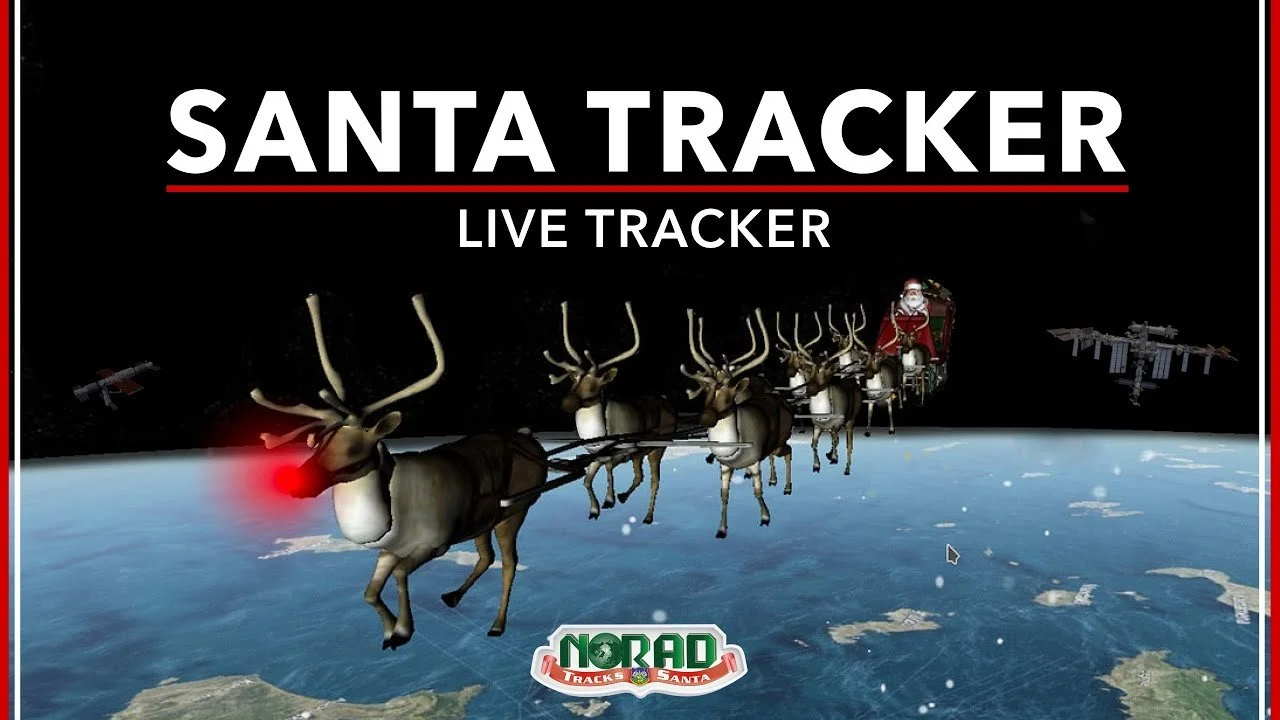
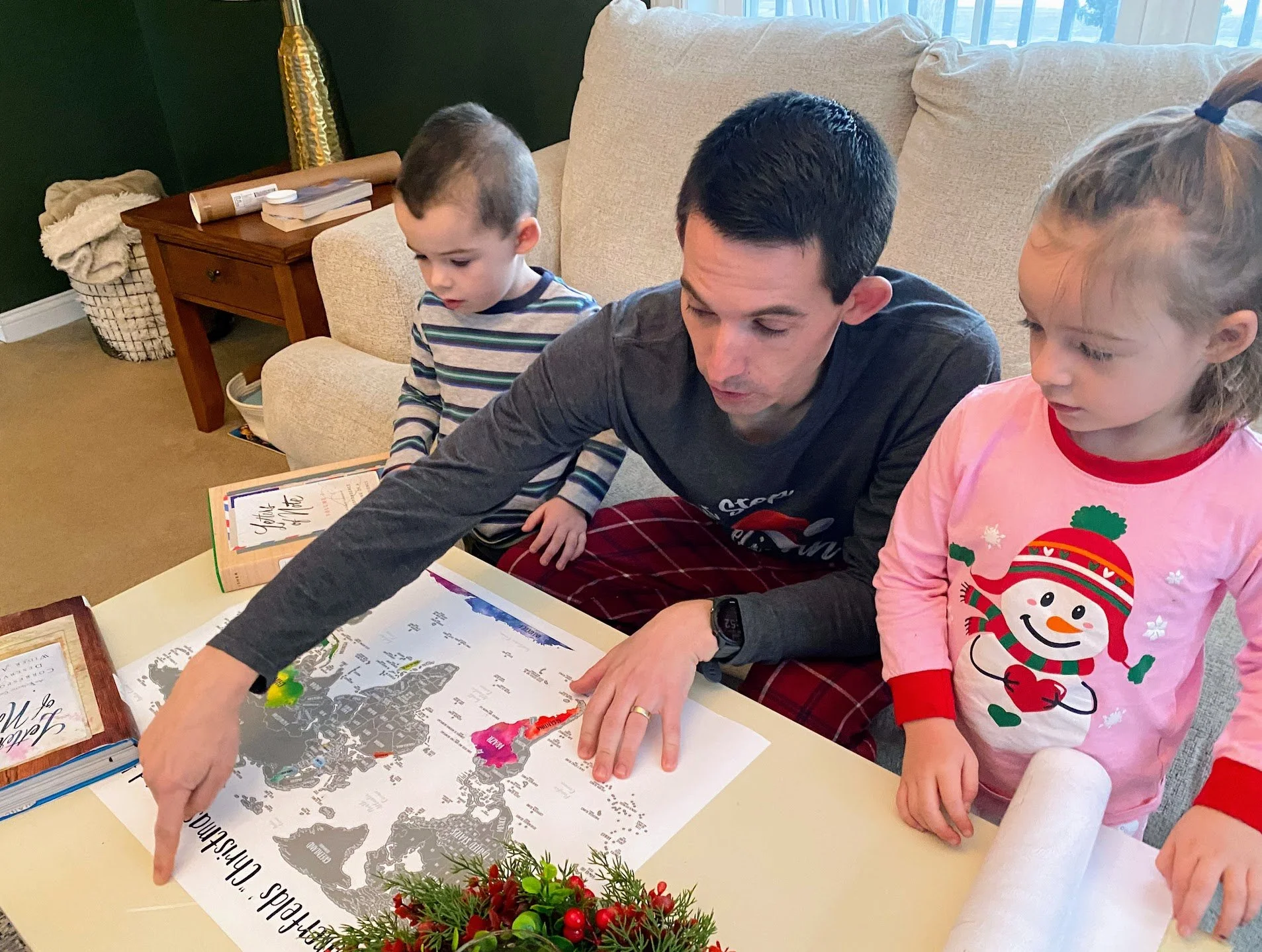
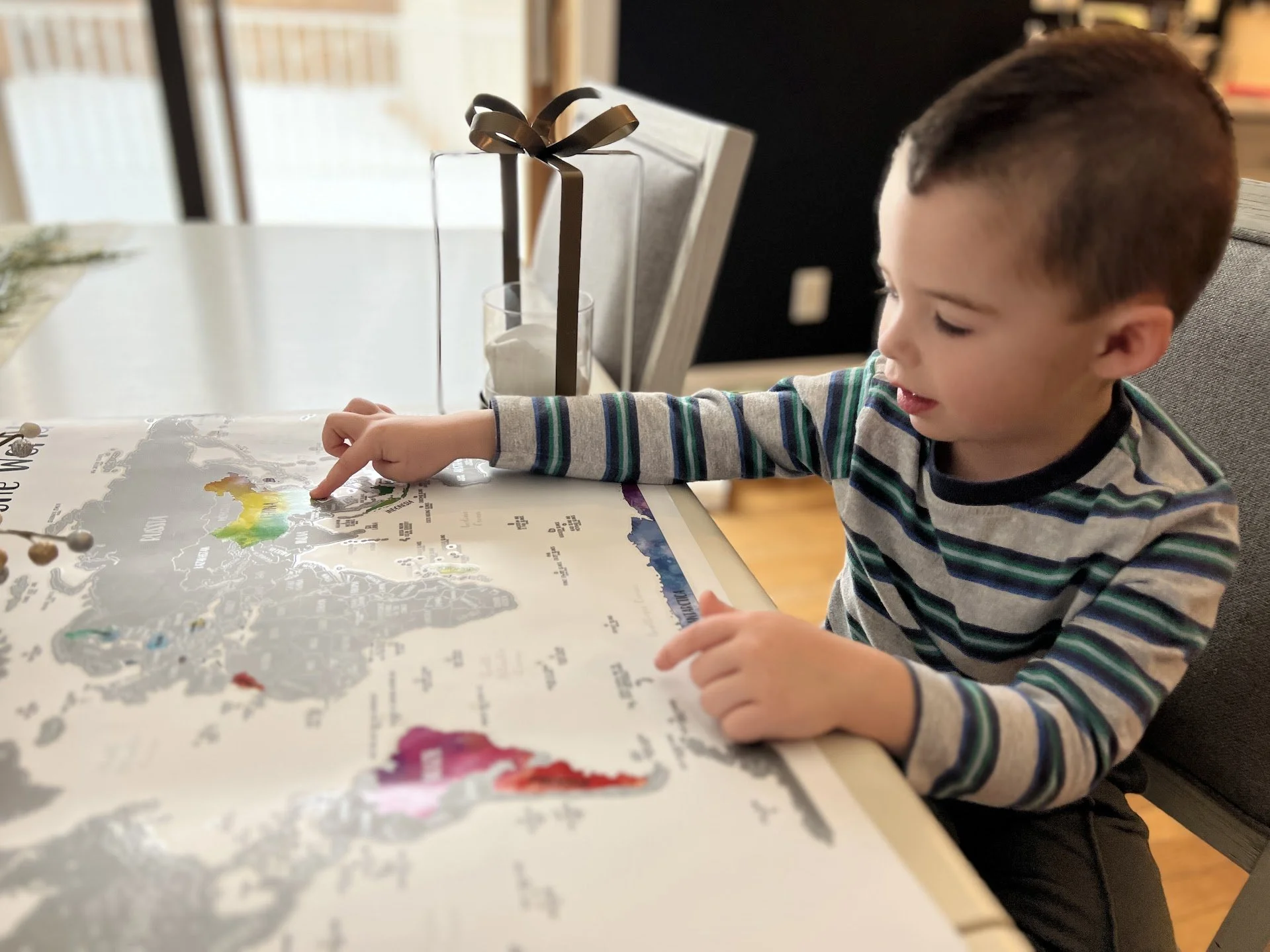
As the tracker stays visible in the background, geography becomes real in unexpected ways. One of the clearest moments of the day comes when Miles learns that Santa is currently in Russia—and not stopping there, but heading next toward Sri Lanka. The map stops being abstract. Countries that usually feel distant suddenly connect in sequence. Santa’s route turns into a lesson in longitude, time zones, and scale, delivered not through explanation but through excitement. The realization that Santa is already crossing Asia while our own day is still unfolding reshapes how Christmas Eve feels: wide, global, and alive.
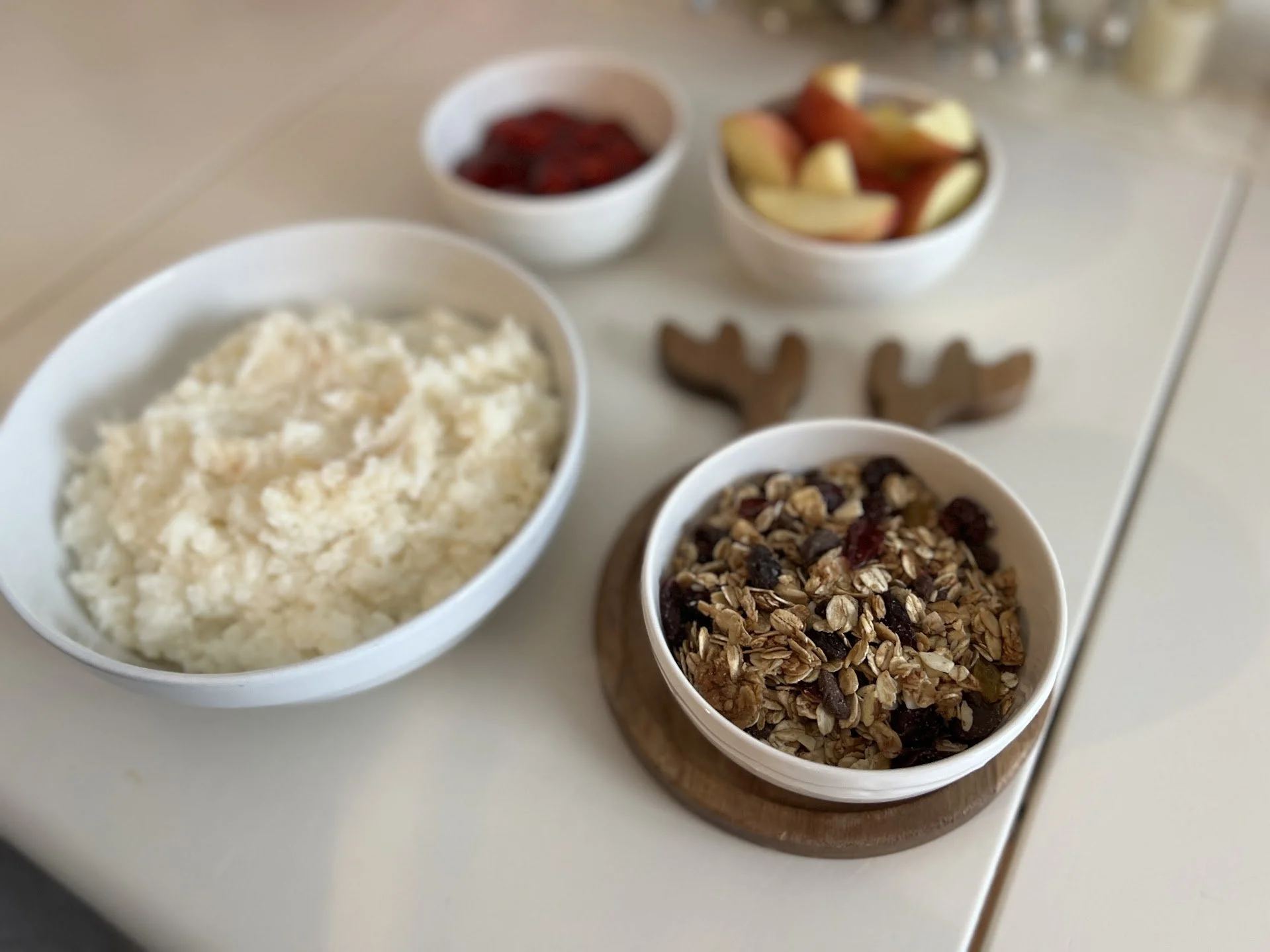
Food and play continue to follow that arc. Apples and rice pudding reflect European and Scandinavian Christmas Eve traditions, where meals were historically modest and symbolic, saving abundance for Christmas Day. Oats and dried fruit become “reindeer food,” loosely tied to agricultural rhythms and winter animal care that underpin many older Christmas customs. These simple choices reinforce the idea that Christmas Eve, across cultures, has long been about preparation and anticipation rather than excess.
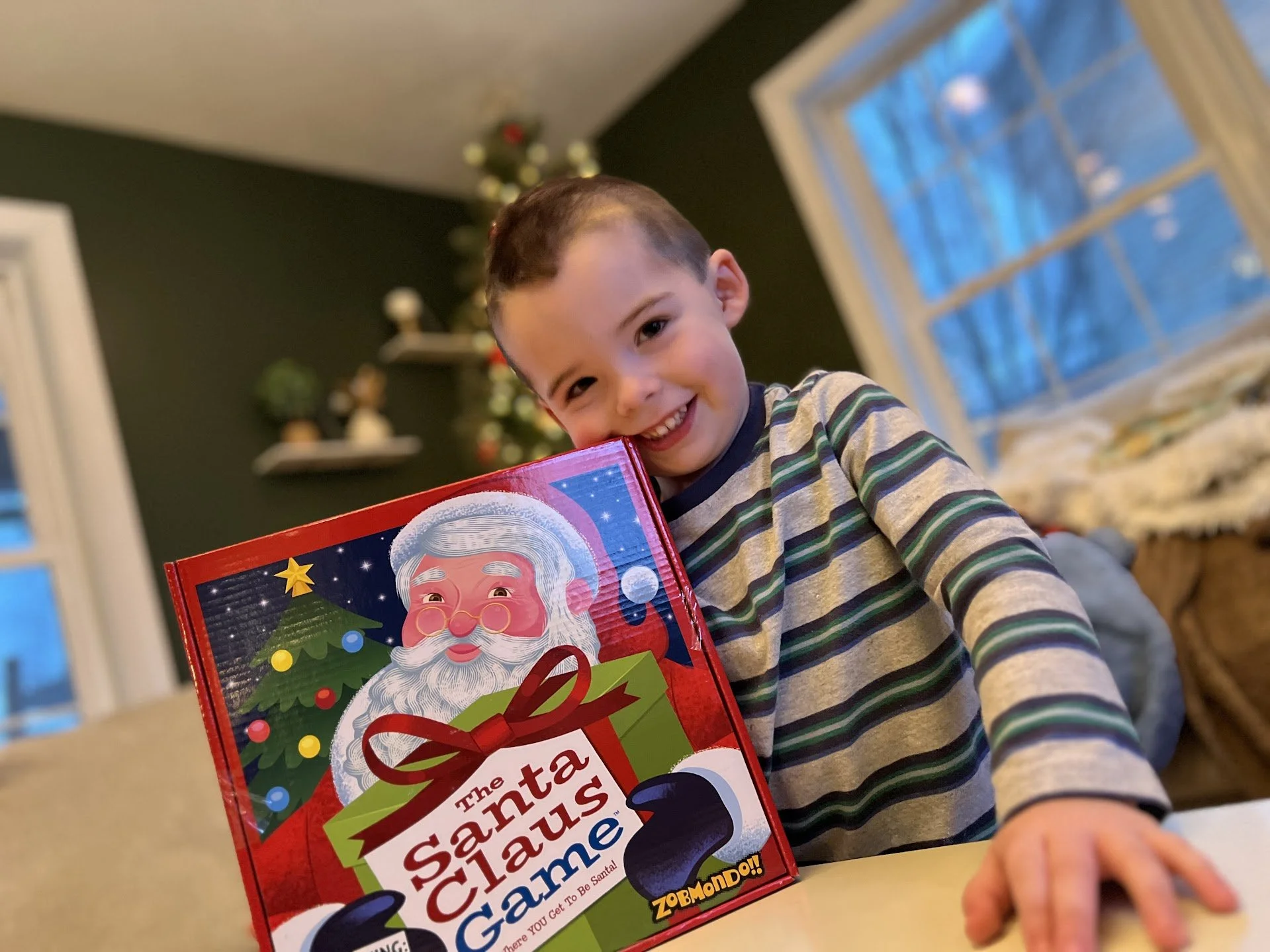
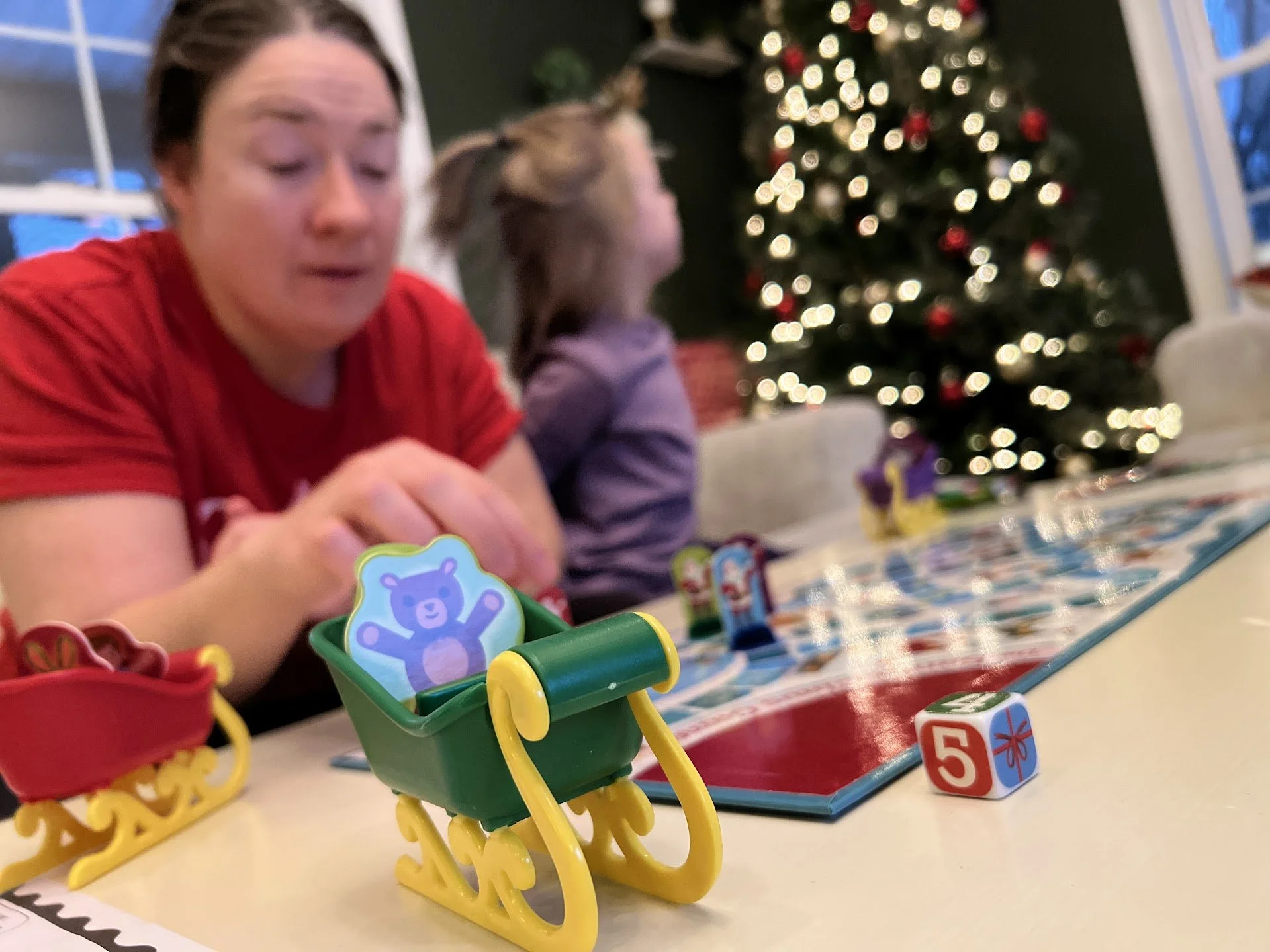
One of the central activities of the day is the Santa Claus delivery game, where each of us has a turn playing Santa. Instead of watching the story unfold, we step inside it—delivering gifts, making choices, and experiencing what it feels like to be responsible for joy arriving at someone else’s door. The game reframes Santa from a distant figure into a shared role, reinforcing generosity, empathy, and participation. In a quiet way, it mirrors the logic of the NORAD tracker itself: Santa’s journey matters because people are paying attention, helping, and taking part.
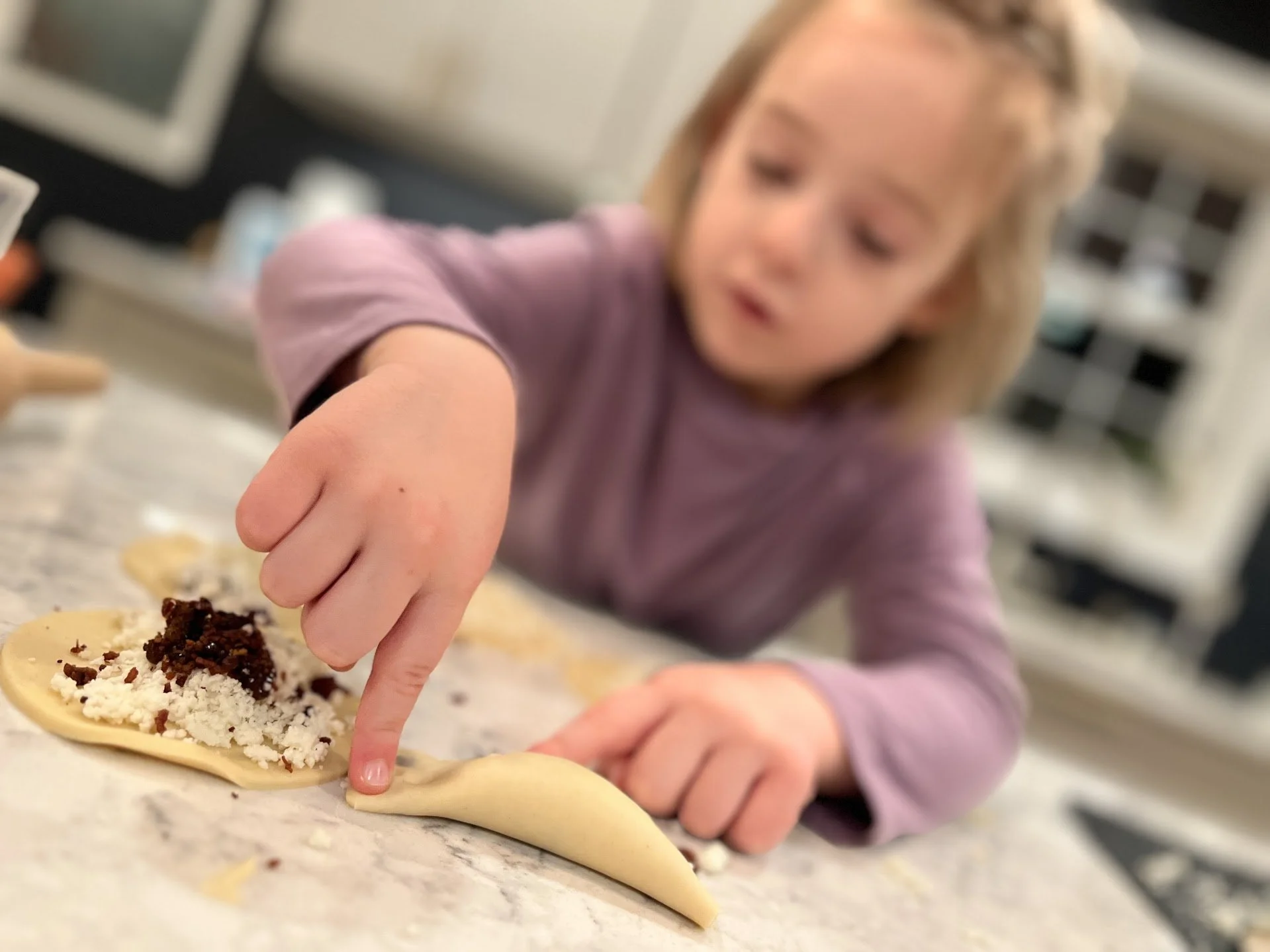
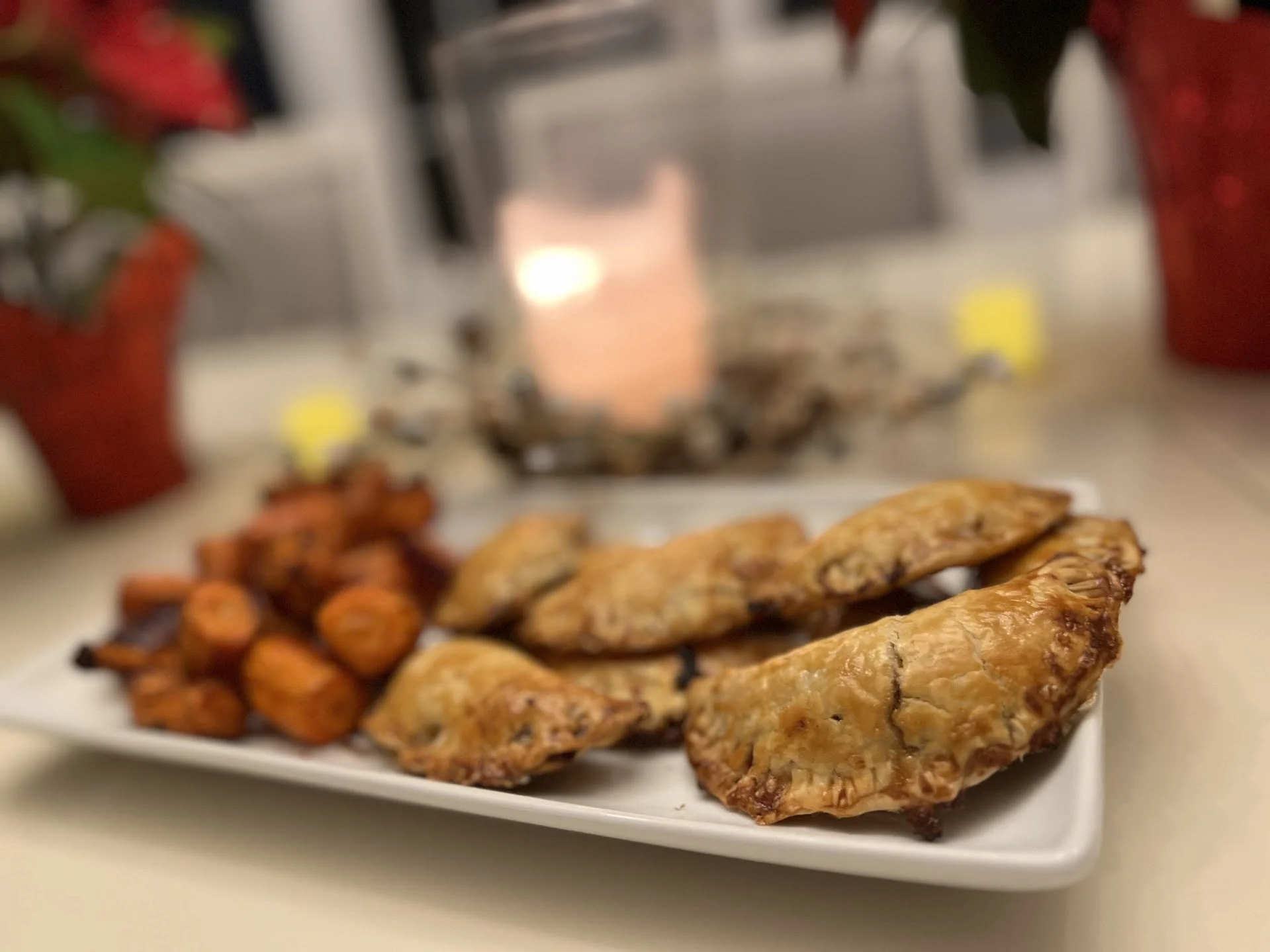
As Santa reaches the Americas, the food shifts again. Cheese-and-jam empanaditas reflect Christmas traditions in Argentina and Chile, where savory-sweet pastries and sparkling drinks are common parts of celebration. Sparkling cider marks the moment without rushing it. Carrots are set aside for the reindeer, a British tradition that entered popular culture in the early twentieth century and remains one of the most recognizable gestures of care for Santa’s helpers.
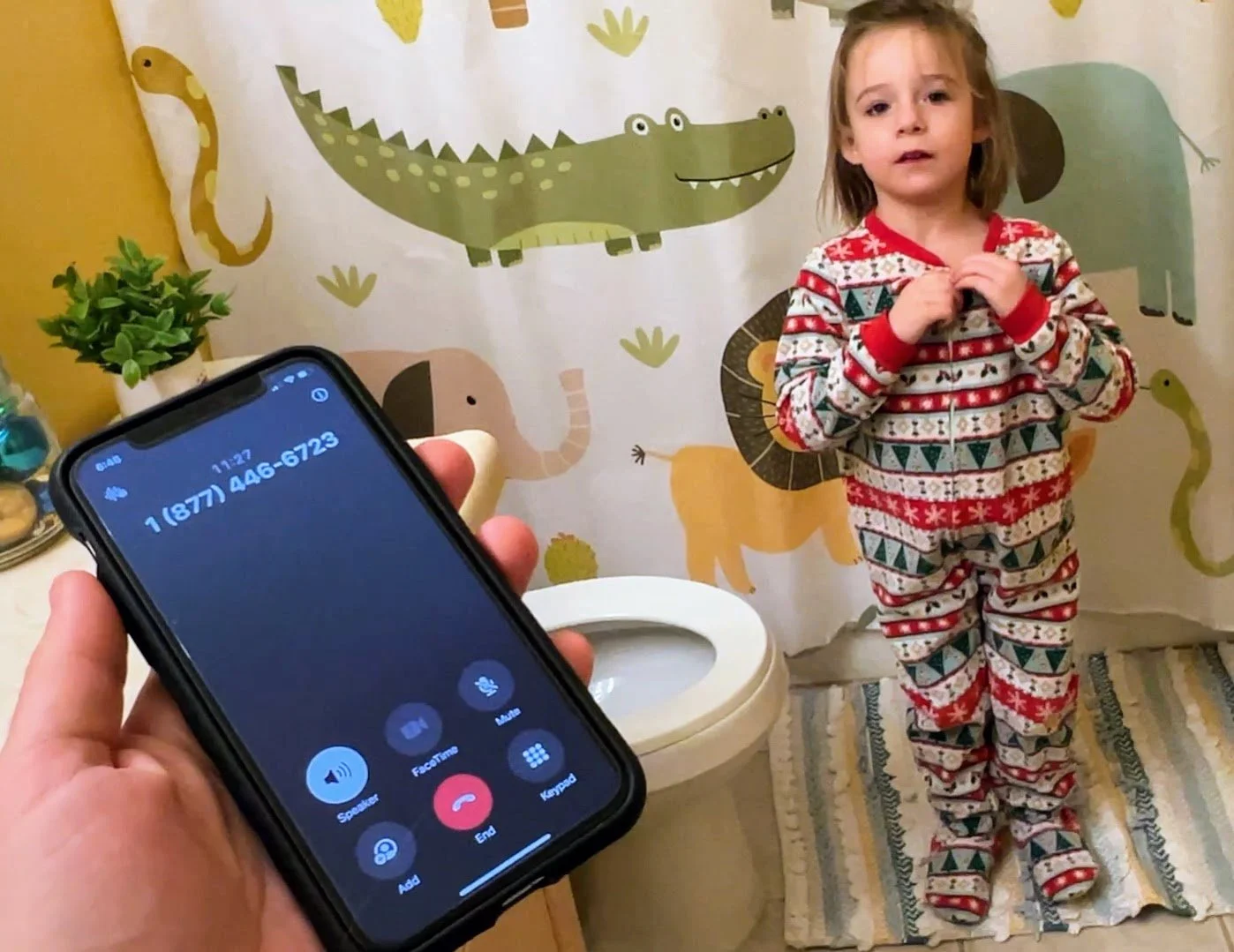
One of the most memorable moments came when we actually got through to NORAD. A real volunteer checked Santa’s location, told us he was over Argentina, and gently reminded us that if Santa was already that far along, it was probably time to start getting ready for bed—a perfectly timed nudge that made the whole tradition feel real.
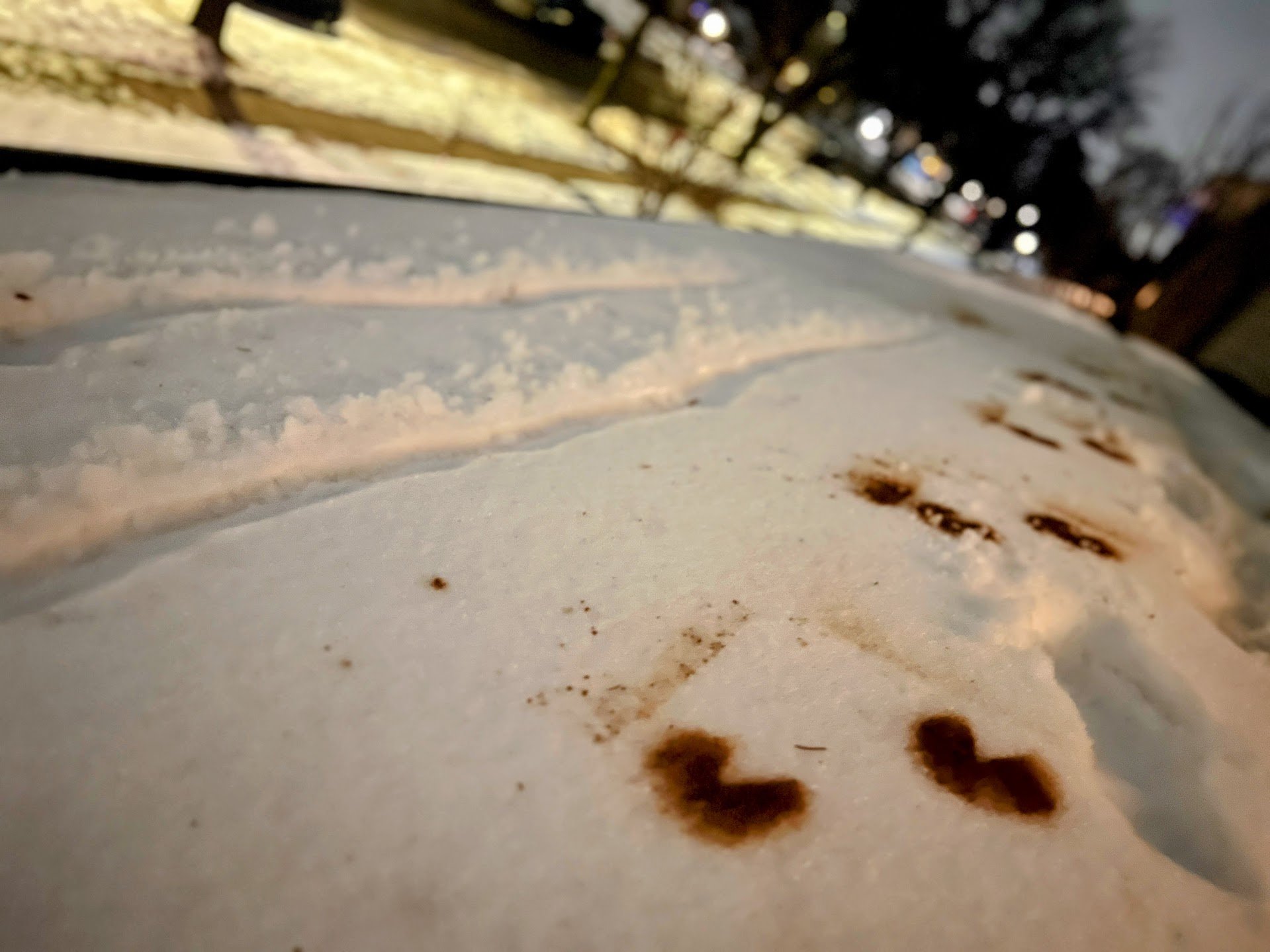
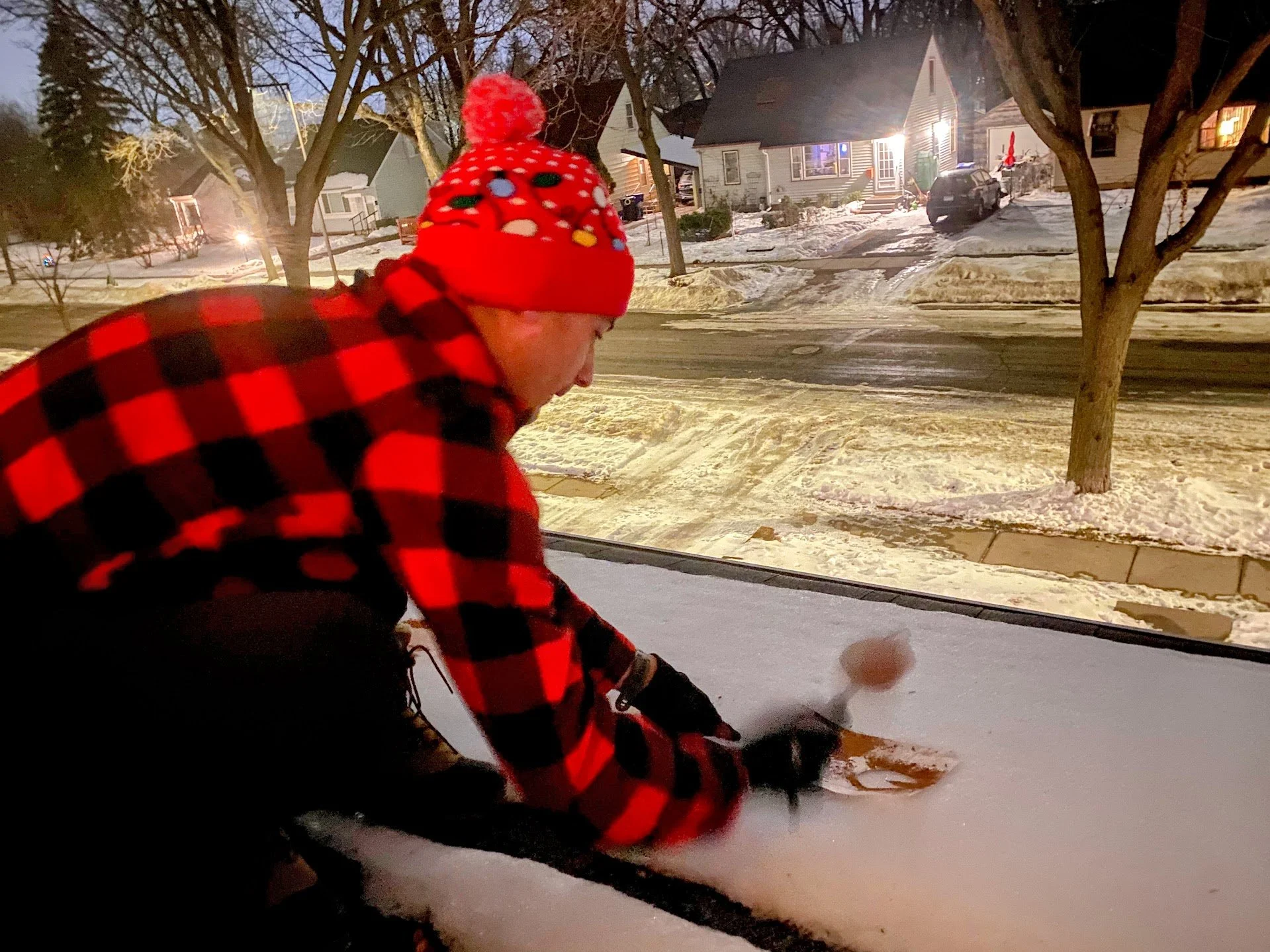
When the house finally settles and the lights go low, the last detail appears: cocoa-dusted reindeer tracks left behind as evidence that Santa has passed through.
Taken together, the day becomes something active and participatory rather than passive. Mincemeat muffins, a child tracing Santa from Russia toward Sri Lanka, a family taking turns playing Santa, and a voice on the phone gently reminding us that bedtime is approaching all serve the same purpose. They transform a modern, historical program into a lived experience. The NORAD Santa Tracker does not simply tell us where Santa is. It gives shape to Christmas Eve itself—teaching geography, generosity, and shared wonder without effort—and reminding us that some of the strongest traditions are the ones that invite everyone to step fully inside the story.
Menu
Mincemeat Muffins
Oranges / Orange Juice
Apple Slices
Rice Pudding
“Reindeer Food” (Oats, dried fruit, etc.)
Empanaditas de Queso y Dulce
Carrots for the Reindeer
Sparkling Apple Cider / Juice
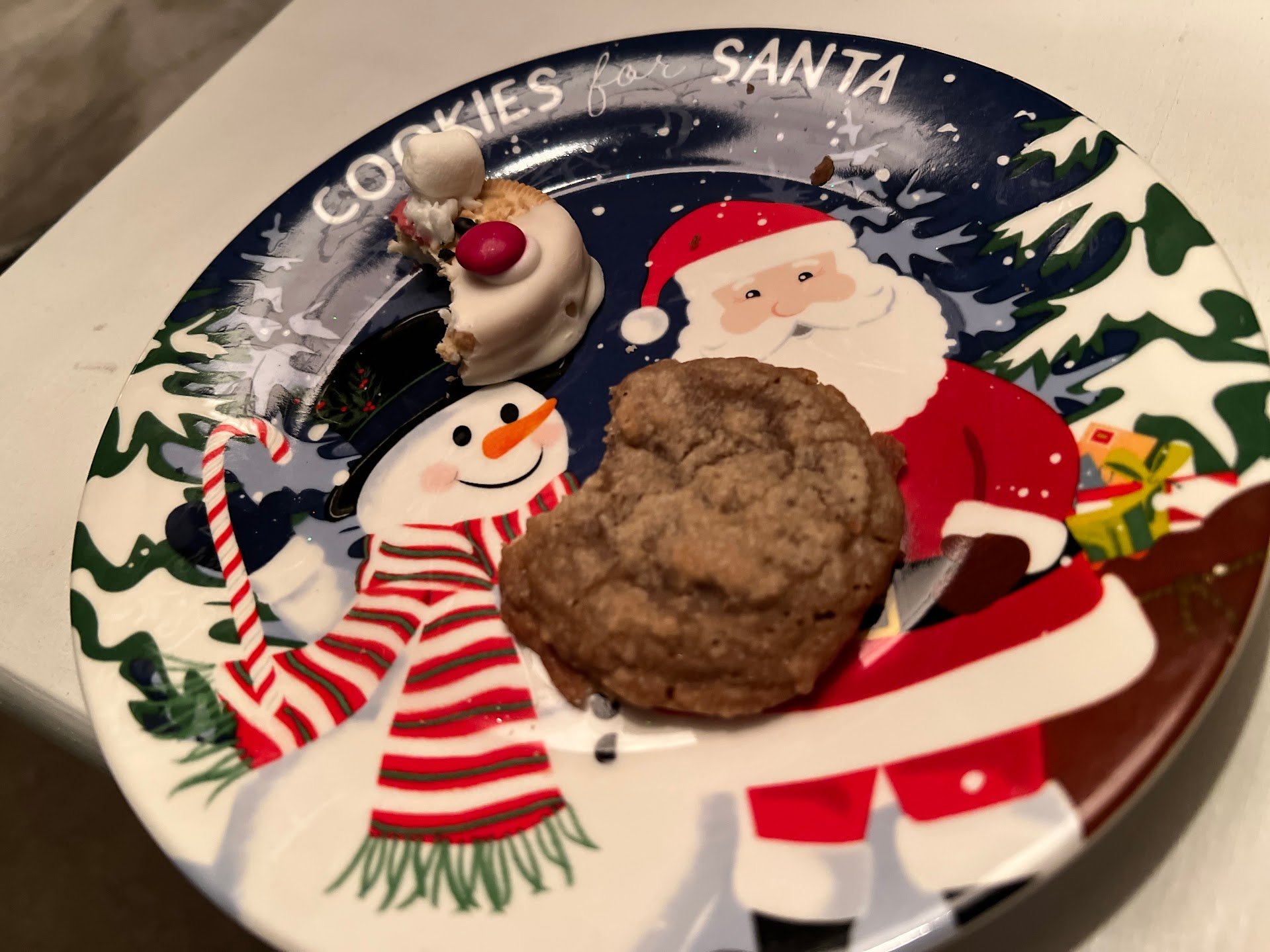
Homemade Sugar Cookies
Activities
NORAD Santa Tracker
Read: The Night Santa Got Lost
World Map: Track Santa’s Route
Santa Claus Delivery Game
International Christmas Music
Call NORAD (1-877-HI-NORAD)
Read: The Night Before Christmas
Leave Reindeer Tracks Overnight