Christmas in South Carolina
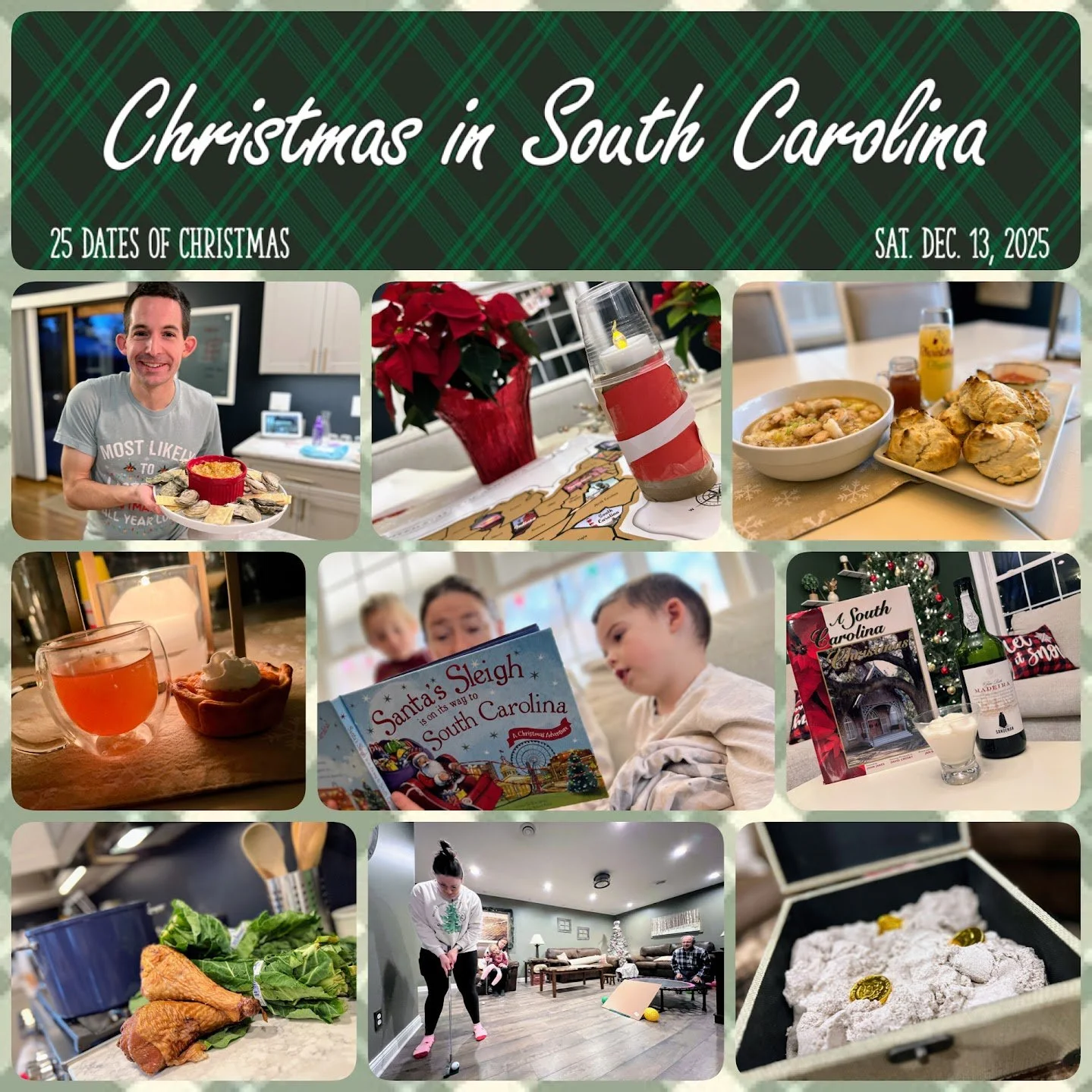
Christmas in South Carolina doesn’t arrive with sleigh bells and silence—it comes with salt air, rice fields, sweet tea, and a table that never feels empty. This date was built to explore how the holiday looks when shaped by the Lowcountry: a blend of English colonial customs, Gullah Geechee heritage, coastal ecology, and a climate that invites people outdoors even in December
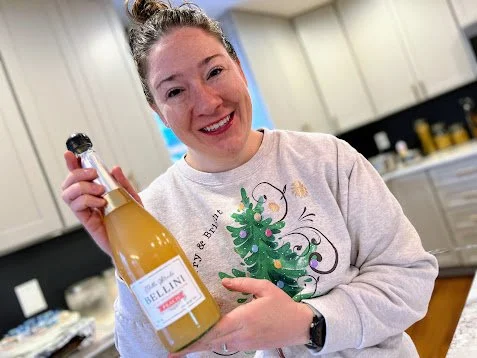
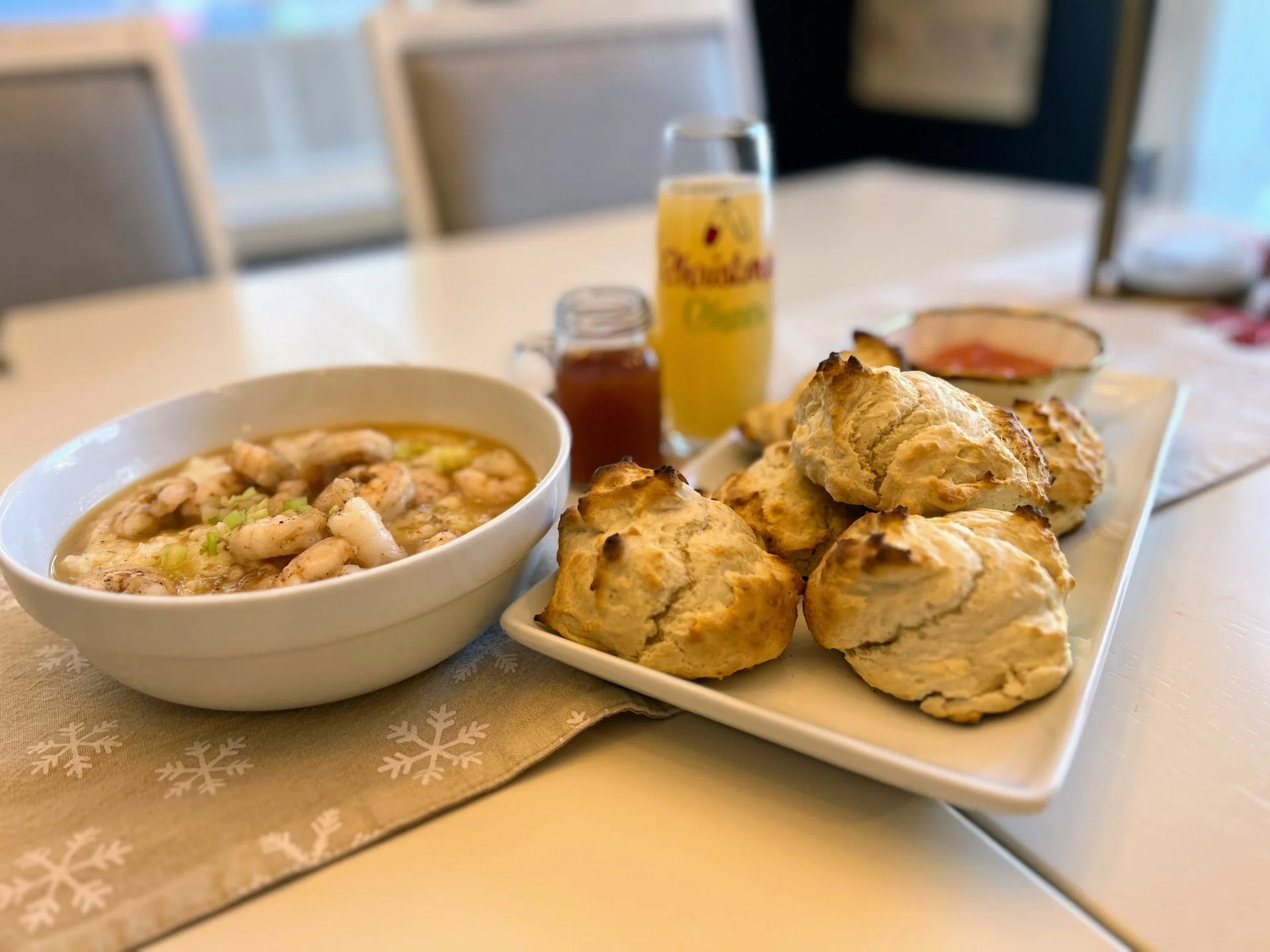
We started the morning with a breakfast that immediately set the tone. Shrimp and grits—now a Southern classic—trace their roots to Gullah cooking, where rice and seafood were staples shaped by tidal marshes and West African knowledge of grain cultivation. Biscuits followed, along with a peach BELLini, and a poinsettia on the table quietly nodded to South Carolina’s place in Christmas botany: the flower takes its English name from Joel Roberts Poinsett, a South Carolina statesman who introduced it to the United States in the 19th century.
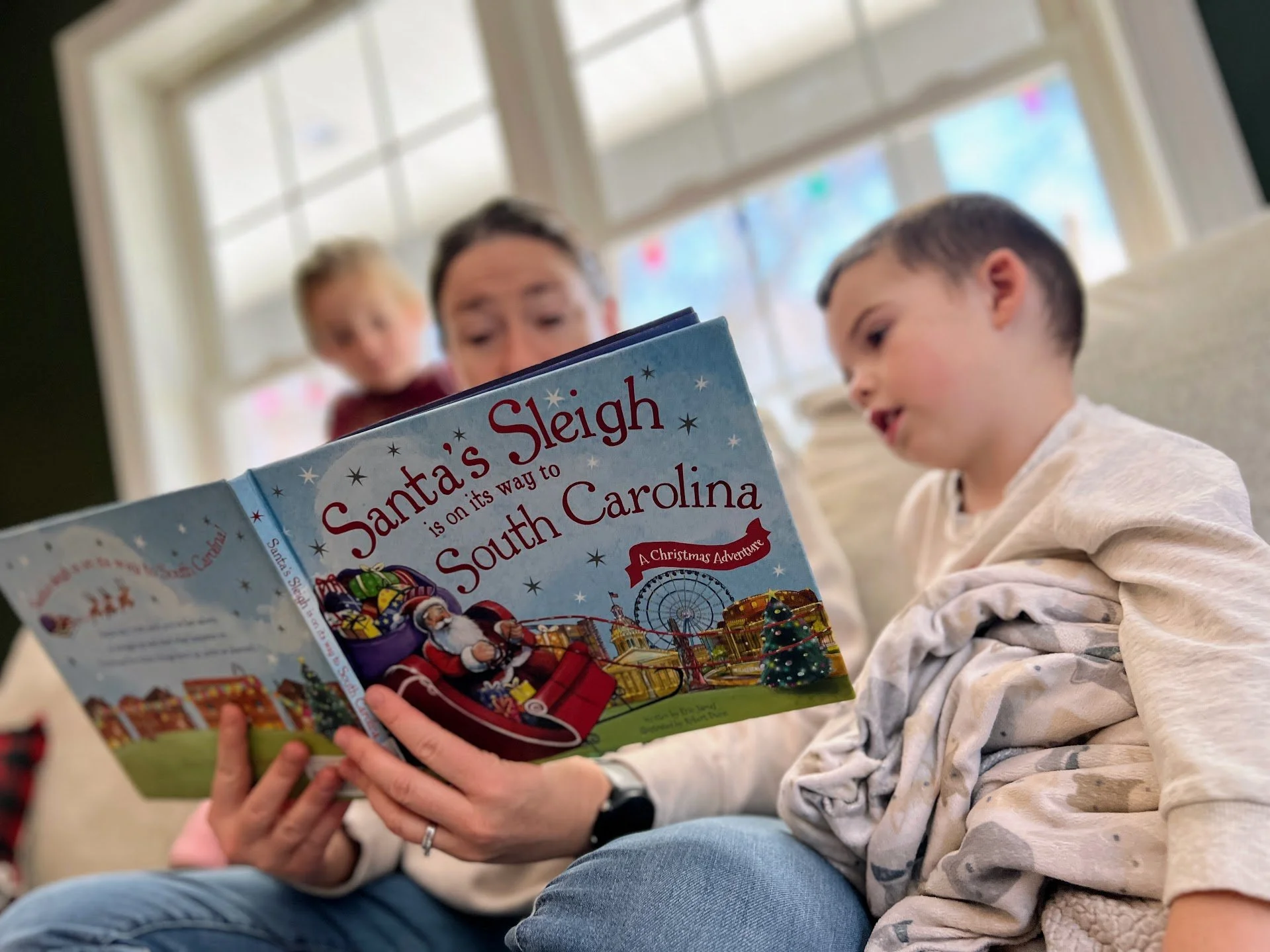
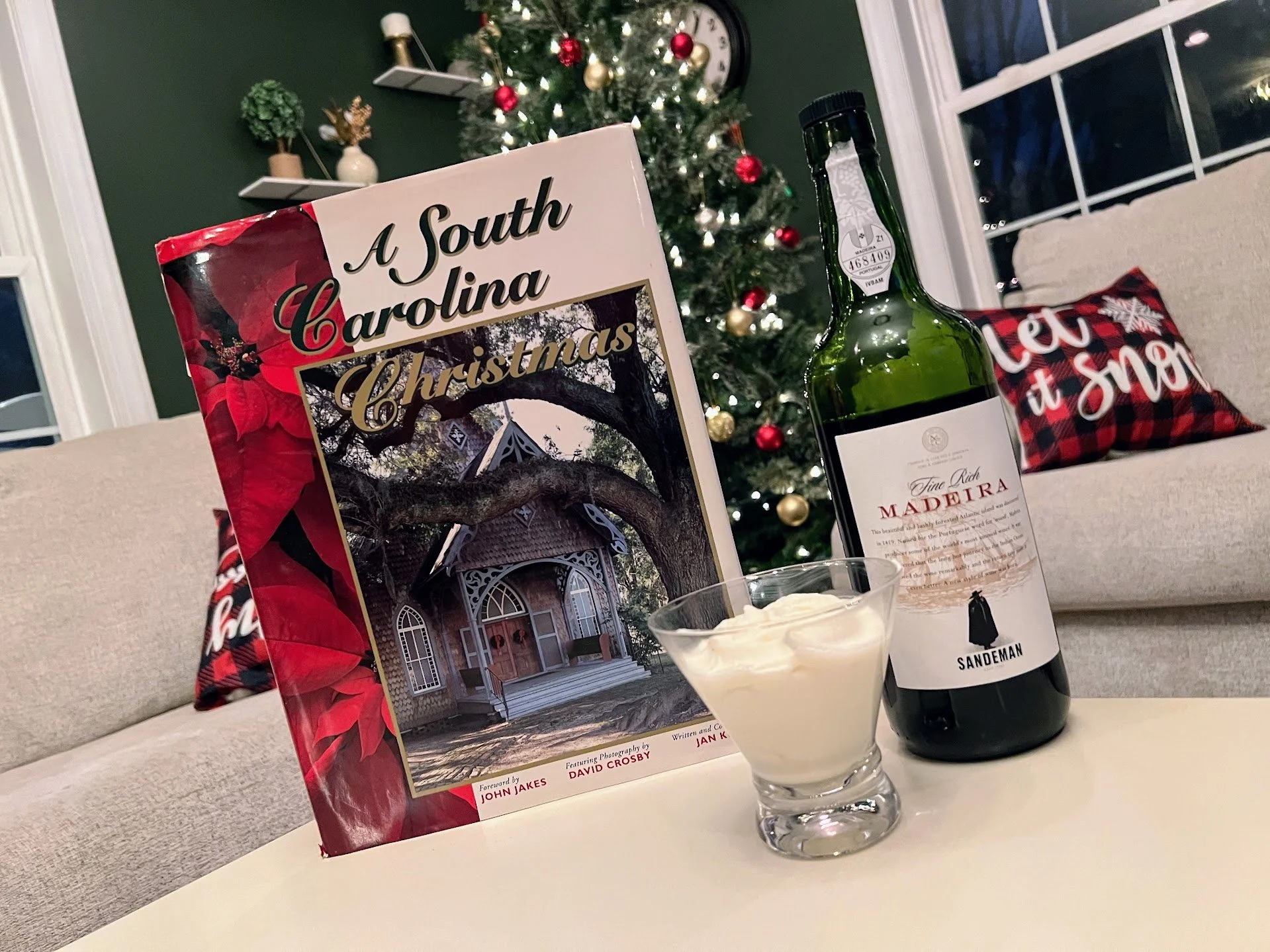
The early hours leaned into story and sound. “Santa’s Sleigh Is On Its Way to South Carolina” and A” South Carolina Christmas” helped frame the day, grounding modern celebration in regional identity. Music followed suit—Carolina Christmas songs and later Gullah spirituals and hymns—echoing how Christmas in the Lowcountry historically centered on oral tradition, call-and-response singing, and communal memory rather than spectacle.
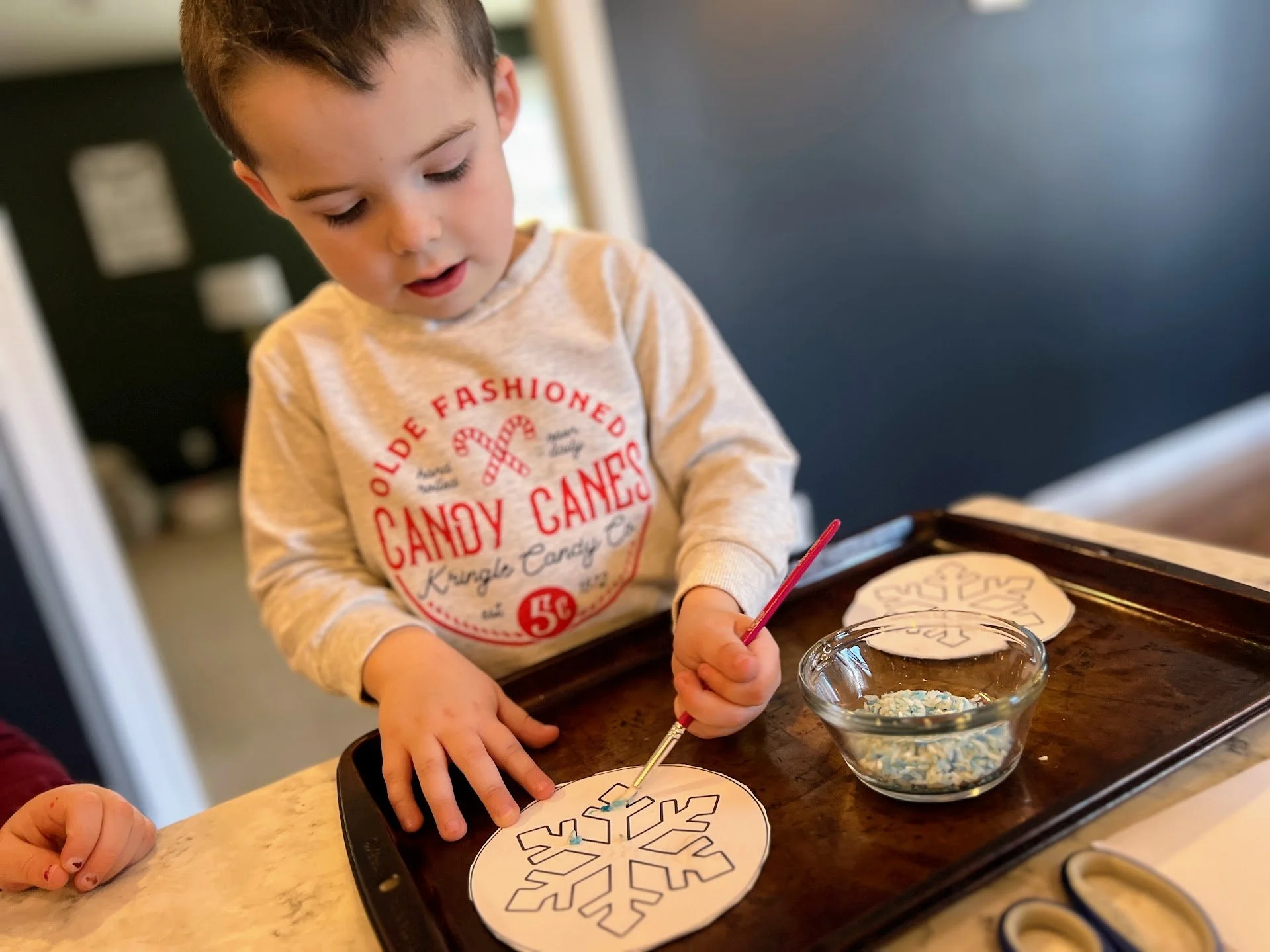
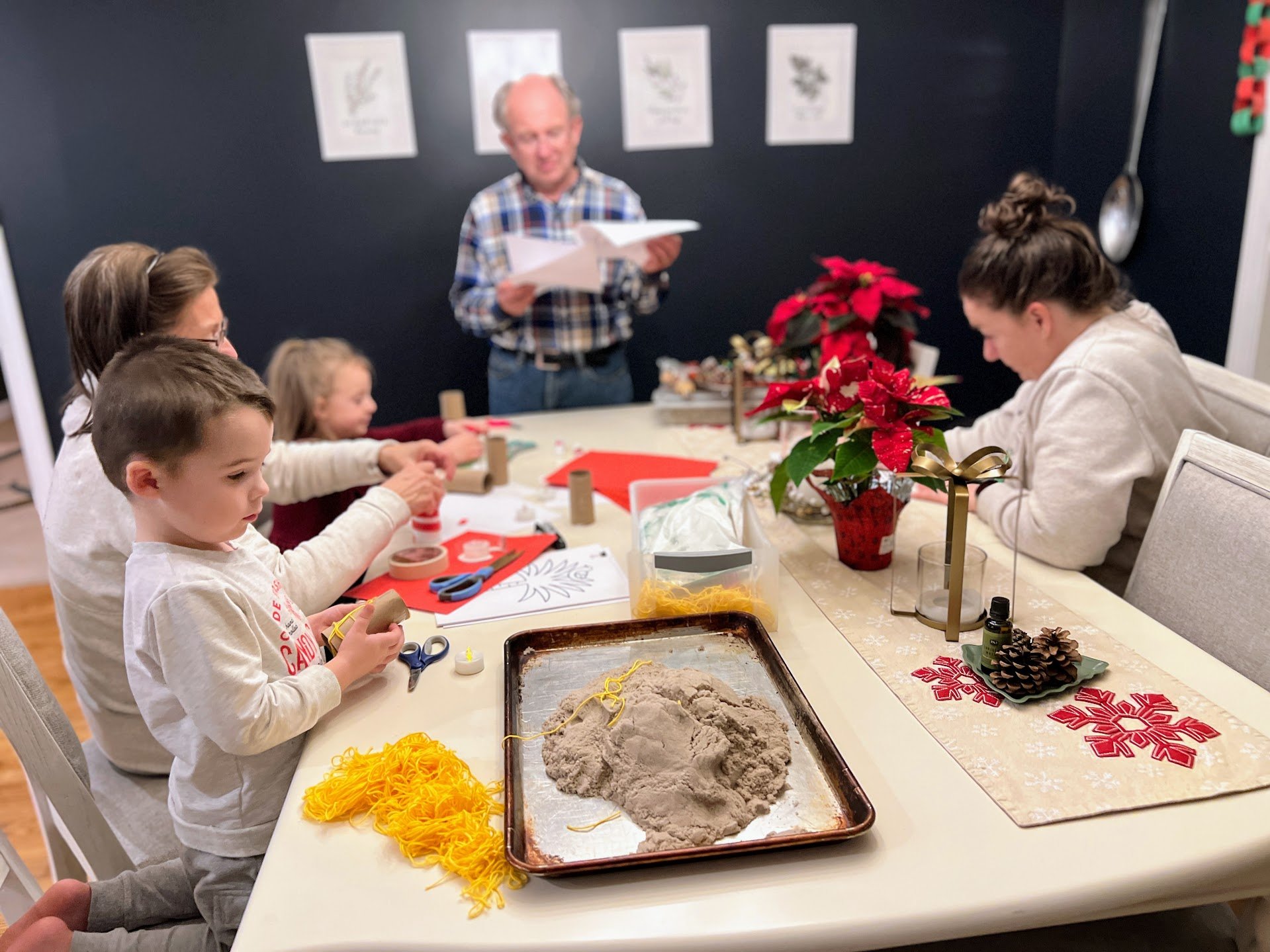
Midmorning brought hands-on history. Rice grain snowflake ornaments connected directly to Gullah rice art, a practice rooted in the rice-growing expertise of enslaved West Africans whose agricultural knowledge sustained the Lowcountry economy. Over time, rice became not just food but symbol—transformed into Christmas crafts that carry memory, resilience, and storytelling forward
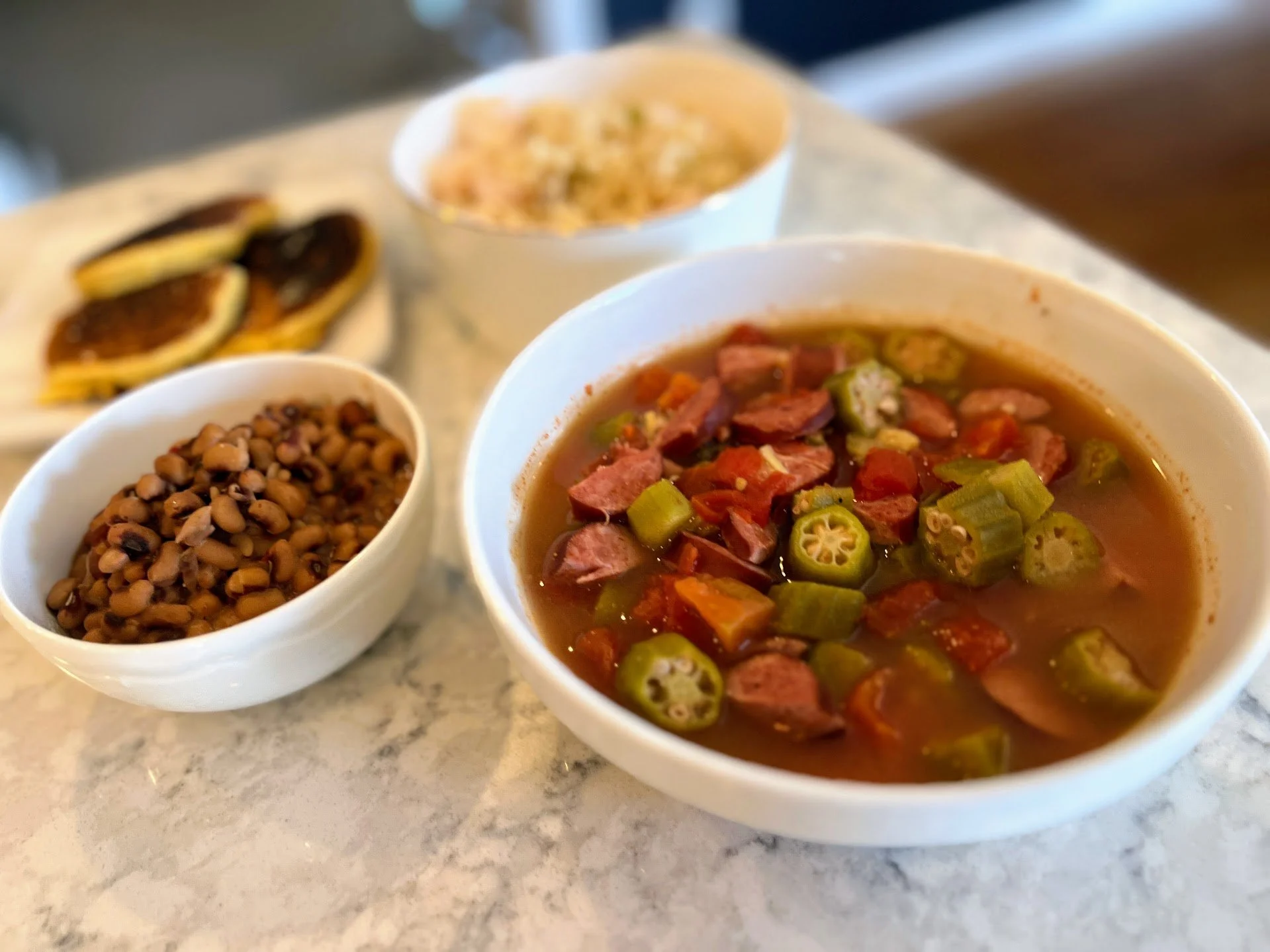
Lunch was a deliberate immersion in Gullah foodways. Seafood perloo—rice cooked with shrimp—anchored the meal, joined by okra soup, black-eyed peas, and hoe cakes. These dishes reflect a cuisine shaped by necessity and ingenuity, blending African, Indigenous, and European influences into something deeply local. Christmas meals like this historically marked both celebration and continuity, reinforcing family and community ties in coastal South Carolina.
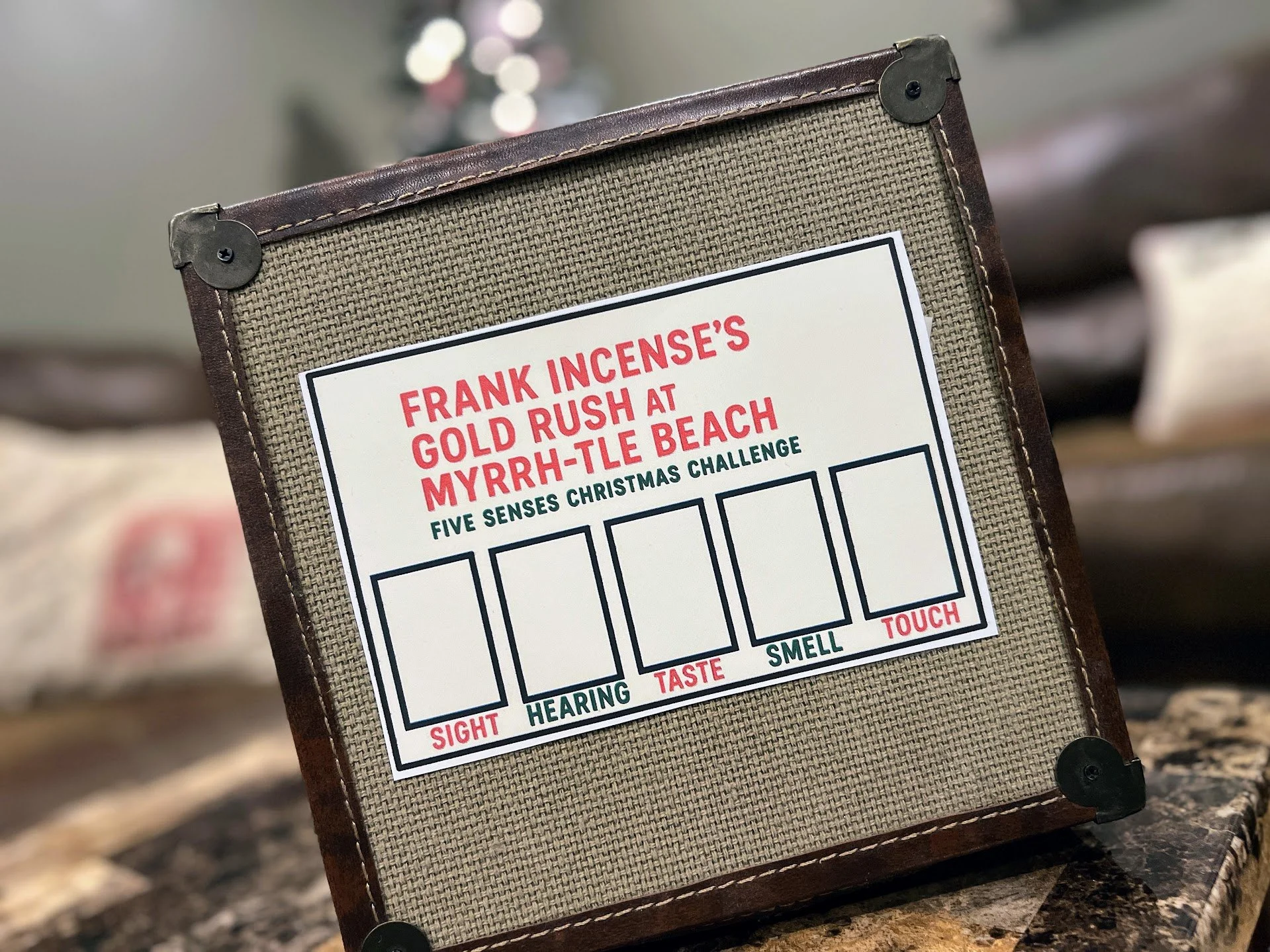
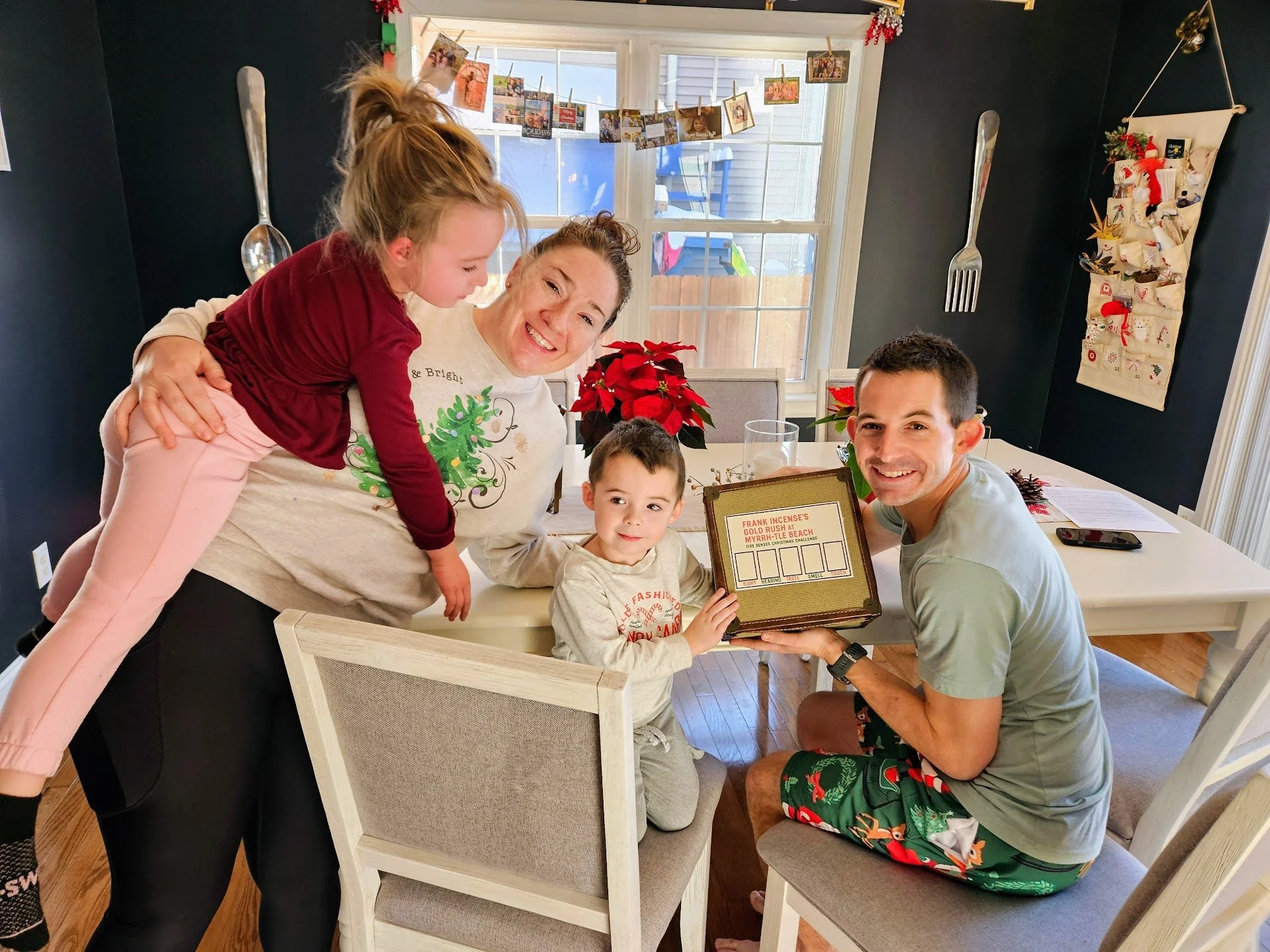
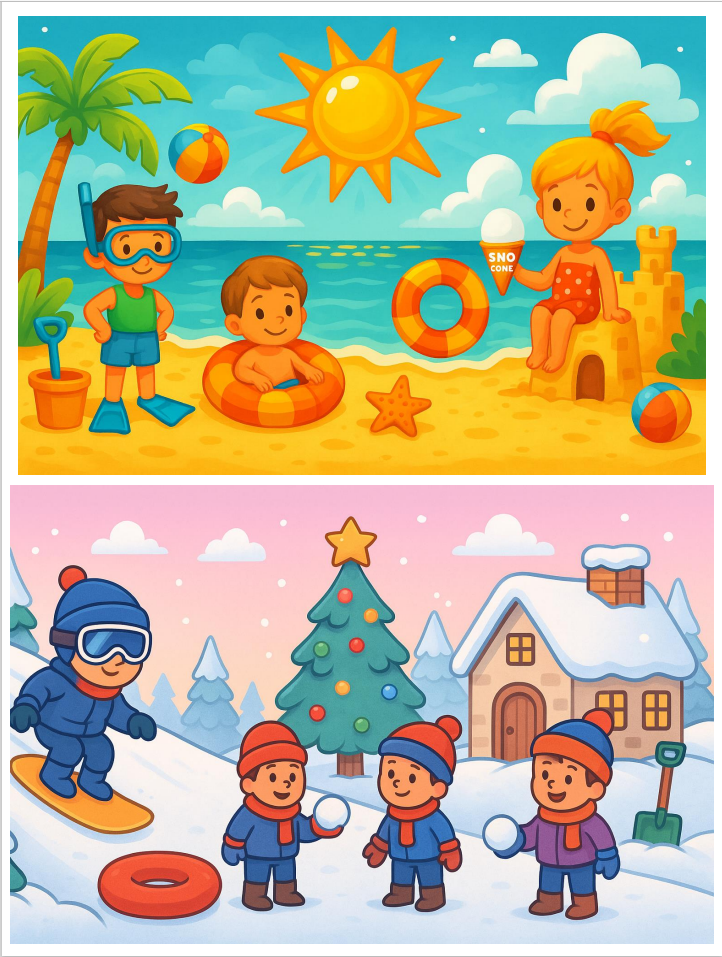
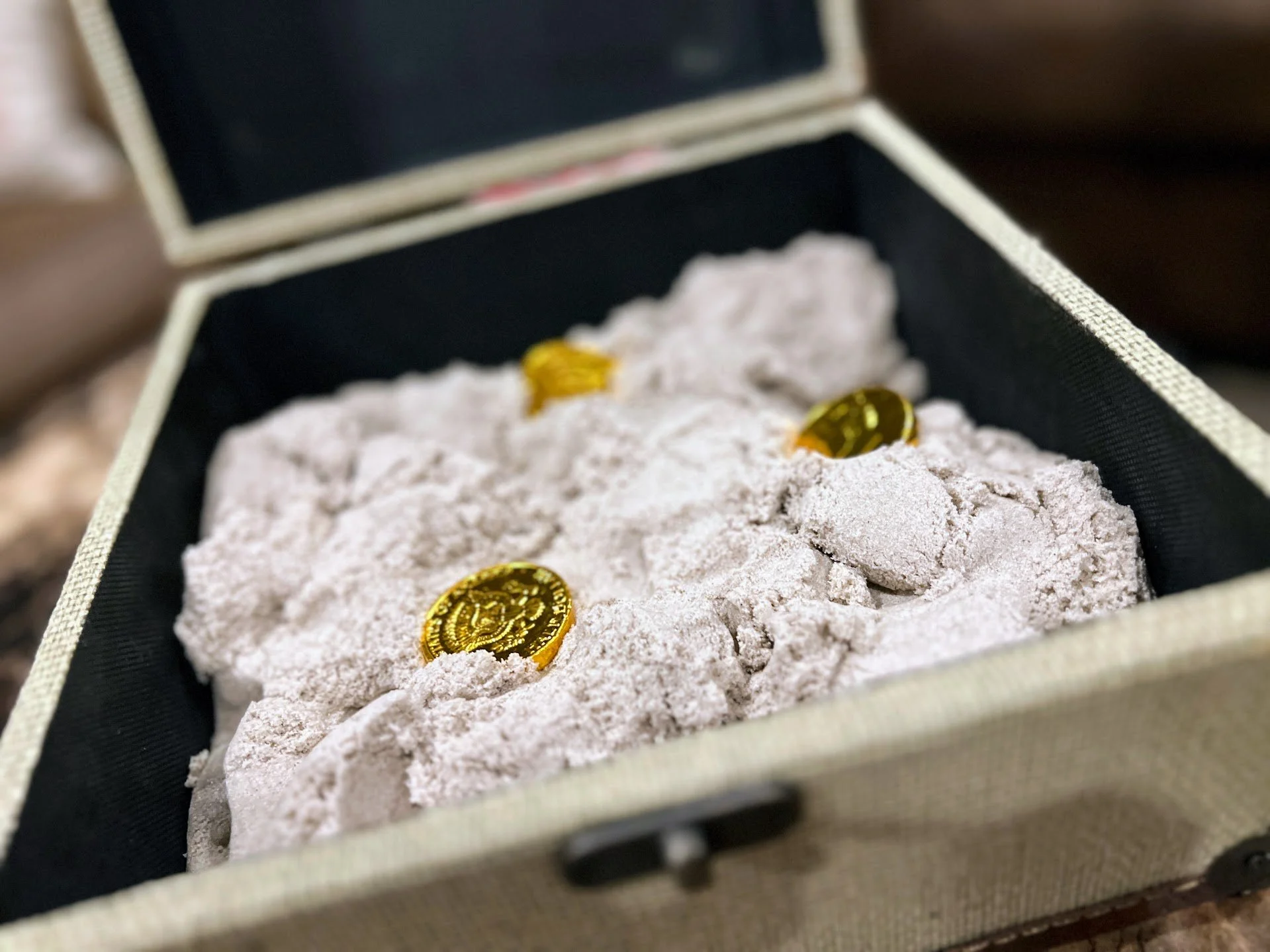
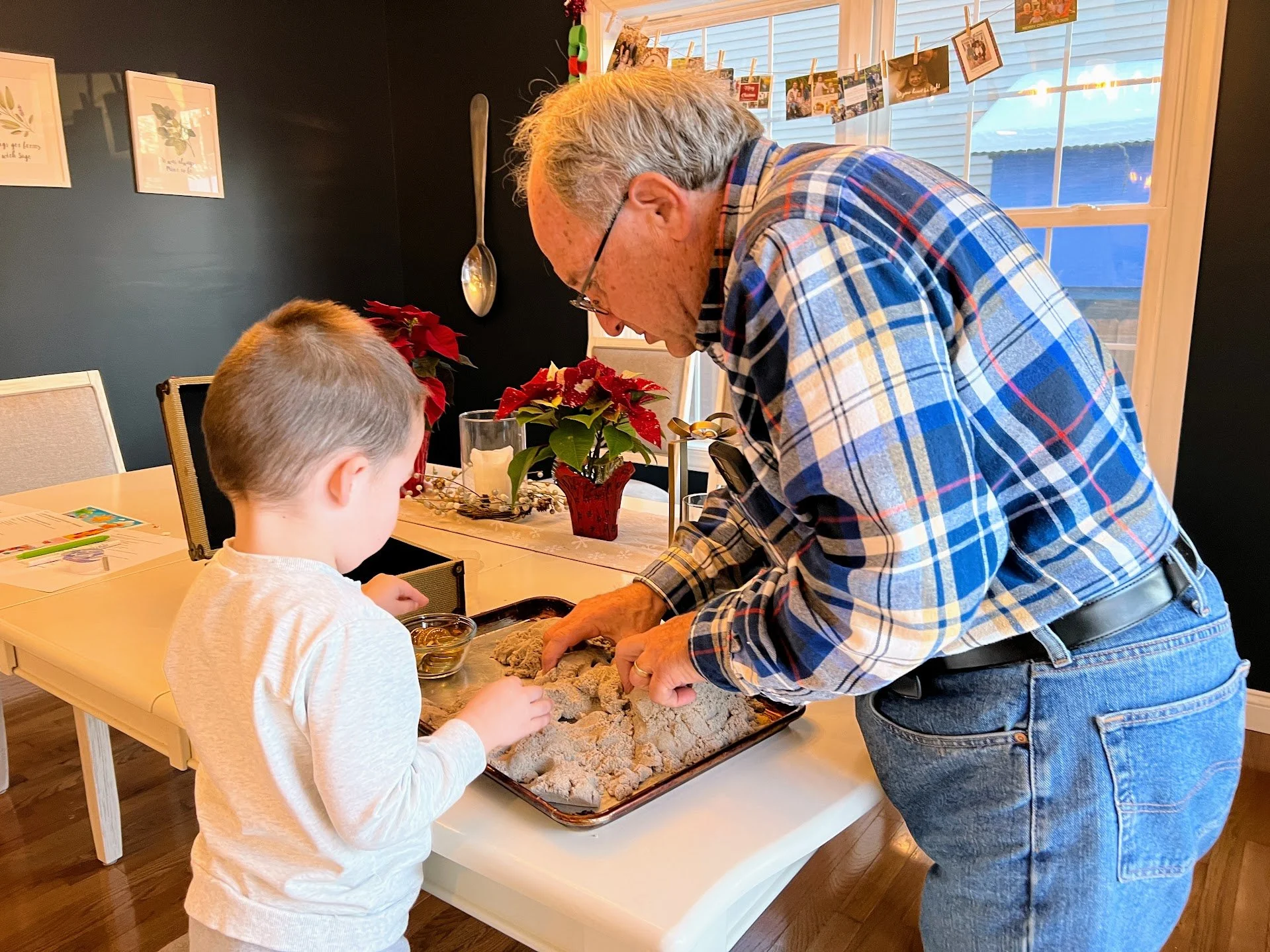
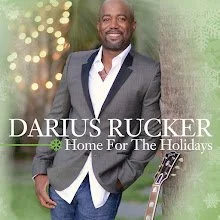
The afternoon shifted from history to play as grandparents joined the festivities, without losing our sense of place. Our “Gold Rush at Myrrh-tle Beach” activity riffed on the Grand Strand’s reputation for quirky seaside attractions, while games engaged all five senses—smell, sound, taste, touch, and sight—mirroring the way Southern Christmas traditions are experienced as much as they are observed. Music from Darius Rucker and Josh Turner underscored the moment, reminding us that modern South Carolina Christmas culture is just as shaped by country music as by hymns.
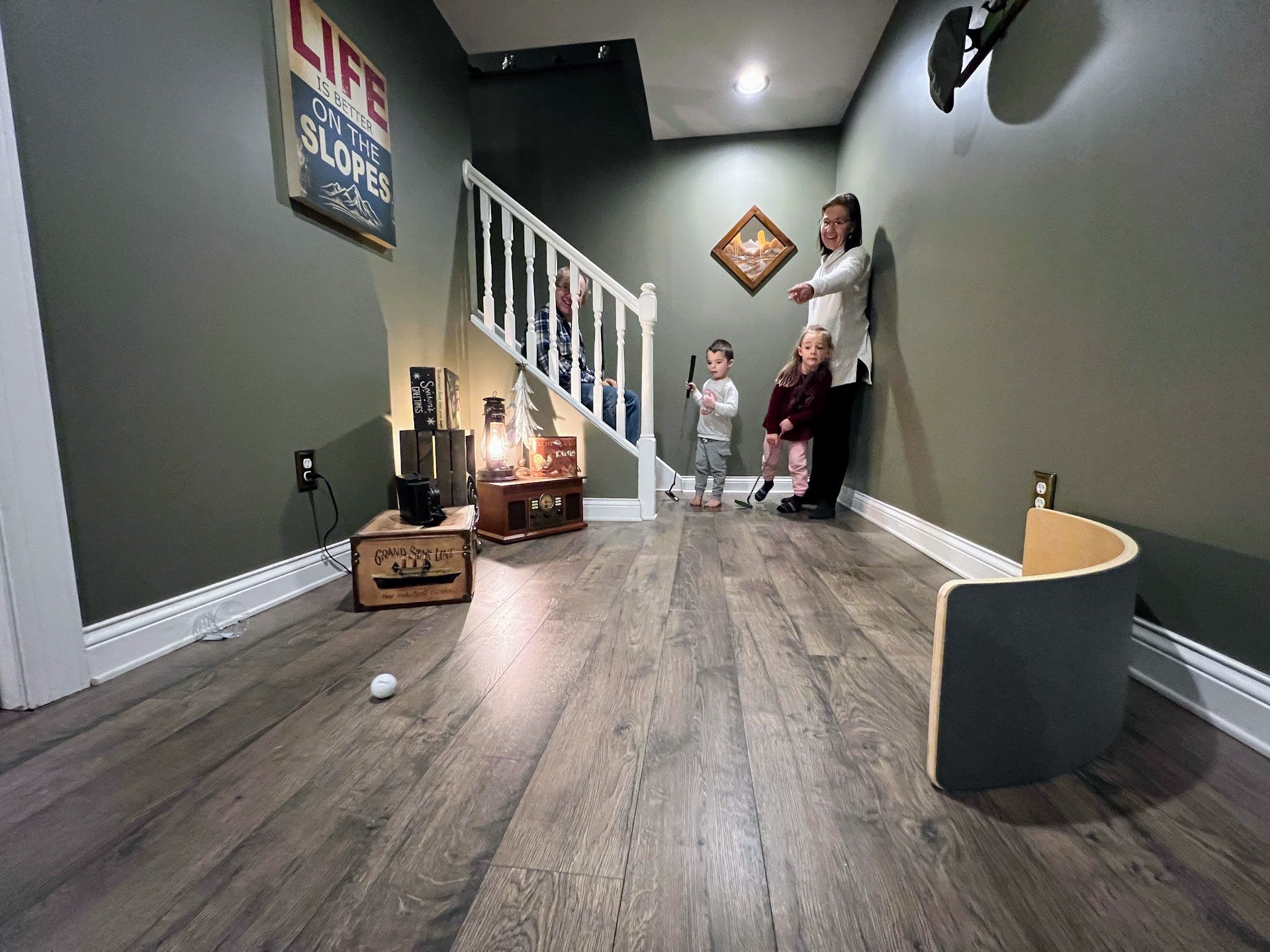
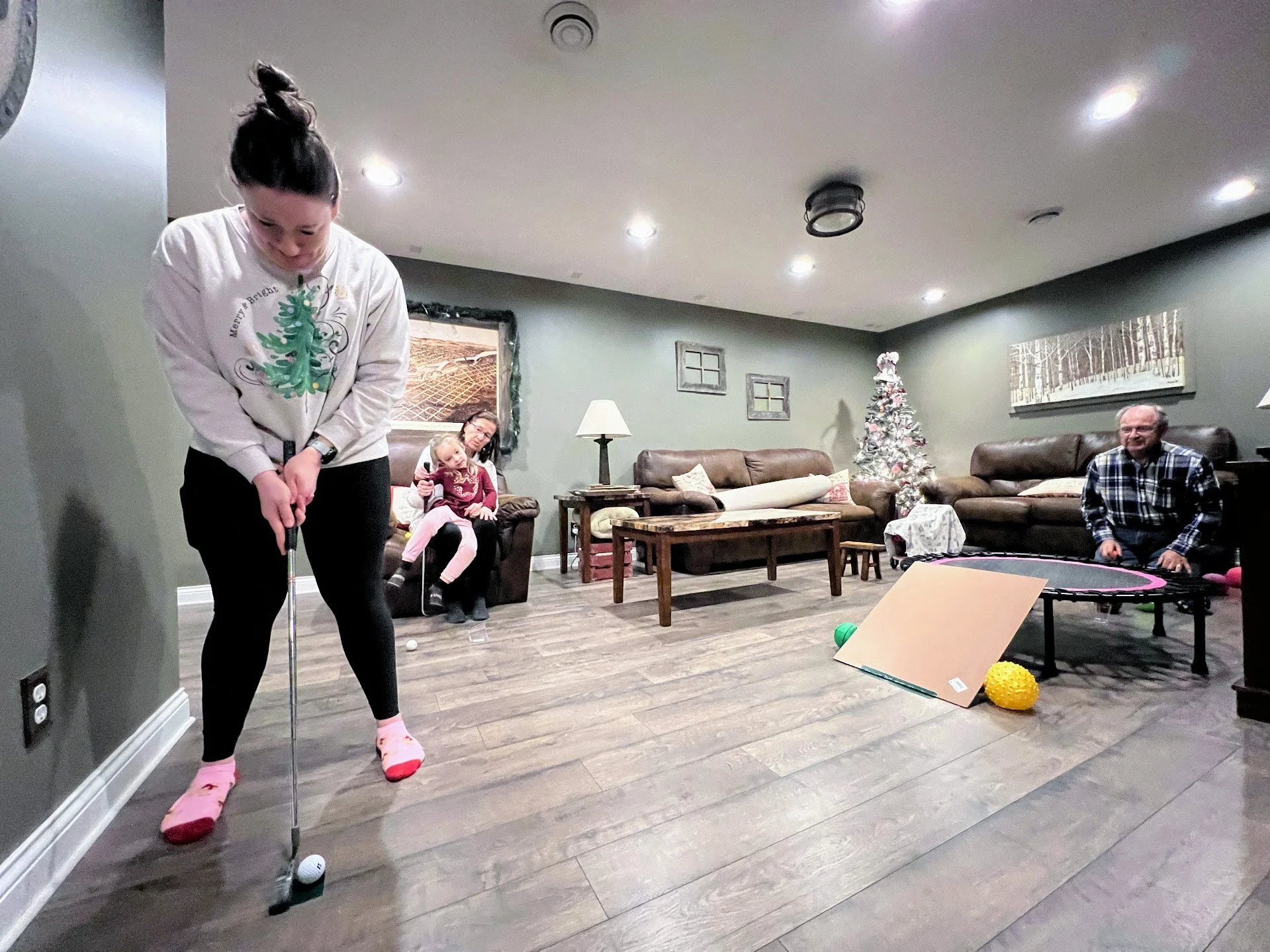
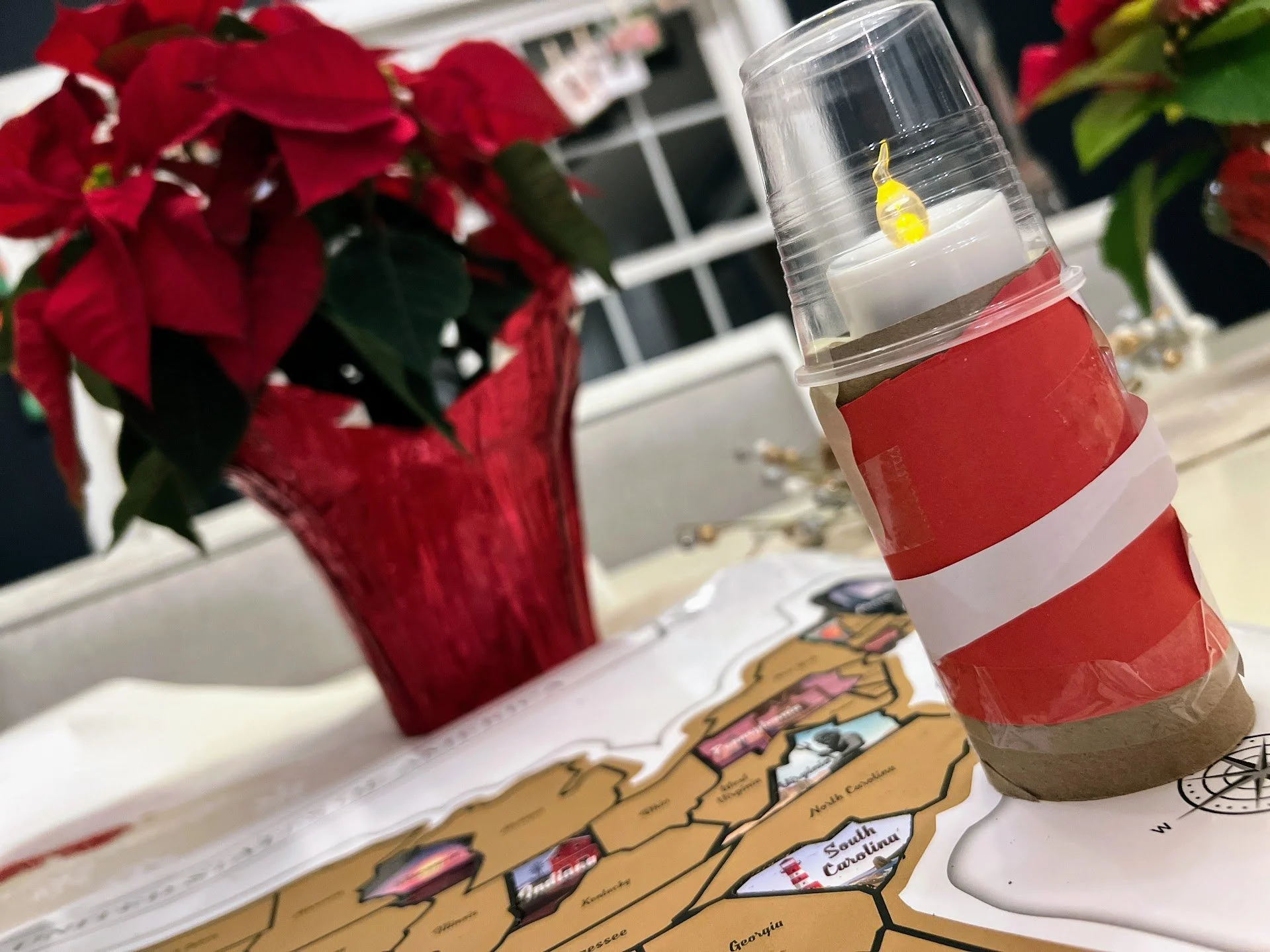
Then came mini golf—an unexpectedly authentic holiday tradition. Myrtle Beach, often called the Mini Golf Capital of the World, has kept its courses open year-round since the rise of winter tourism in the 1970s. Playing Christmas-themed courses—snowmen as golf balls, sand traps instead of snowbanks, lighthouses instead of castles—captured the playful contrast of palm trees and holiday lights that defines coastal Christmases
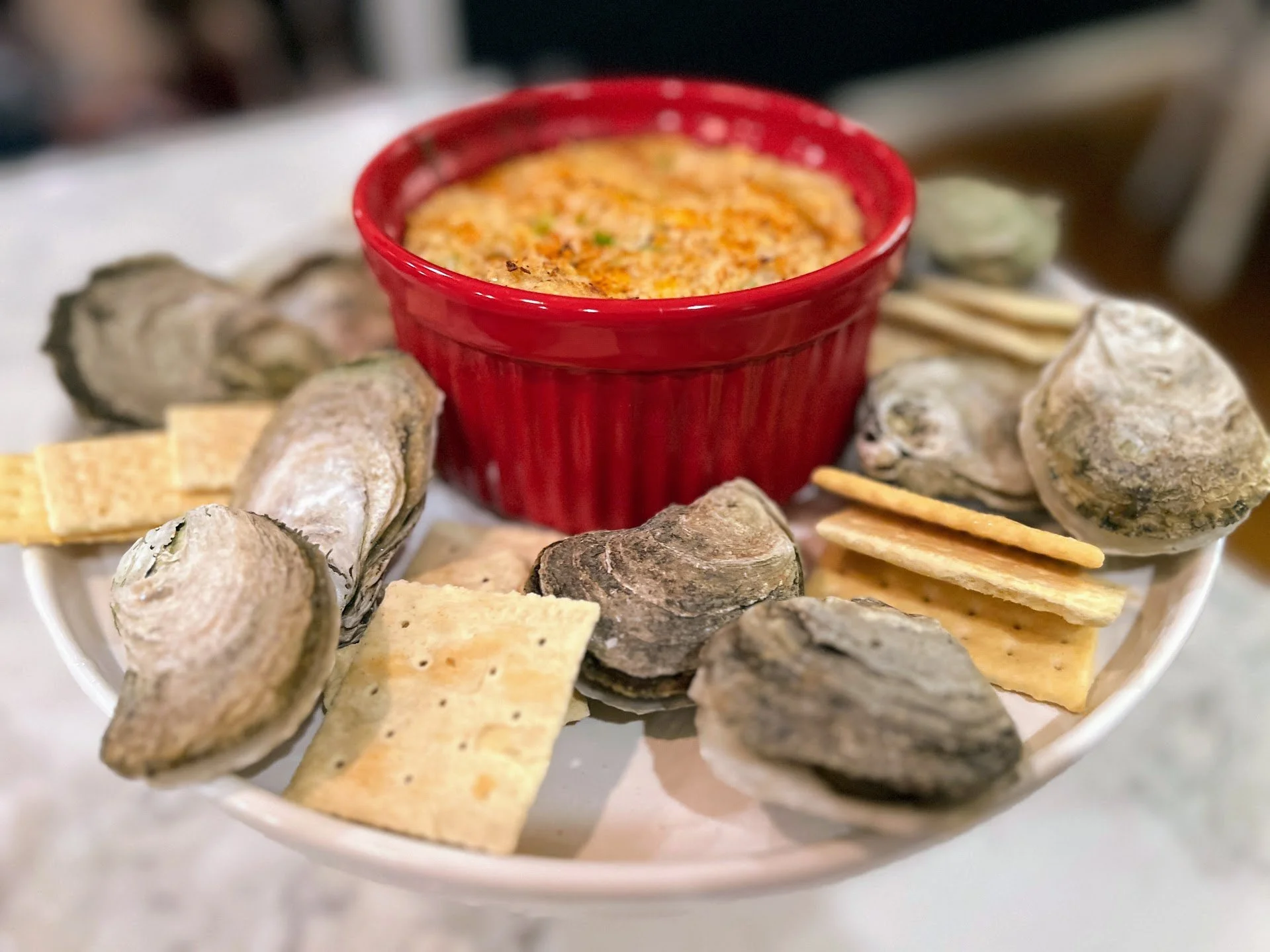
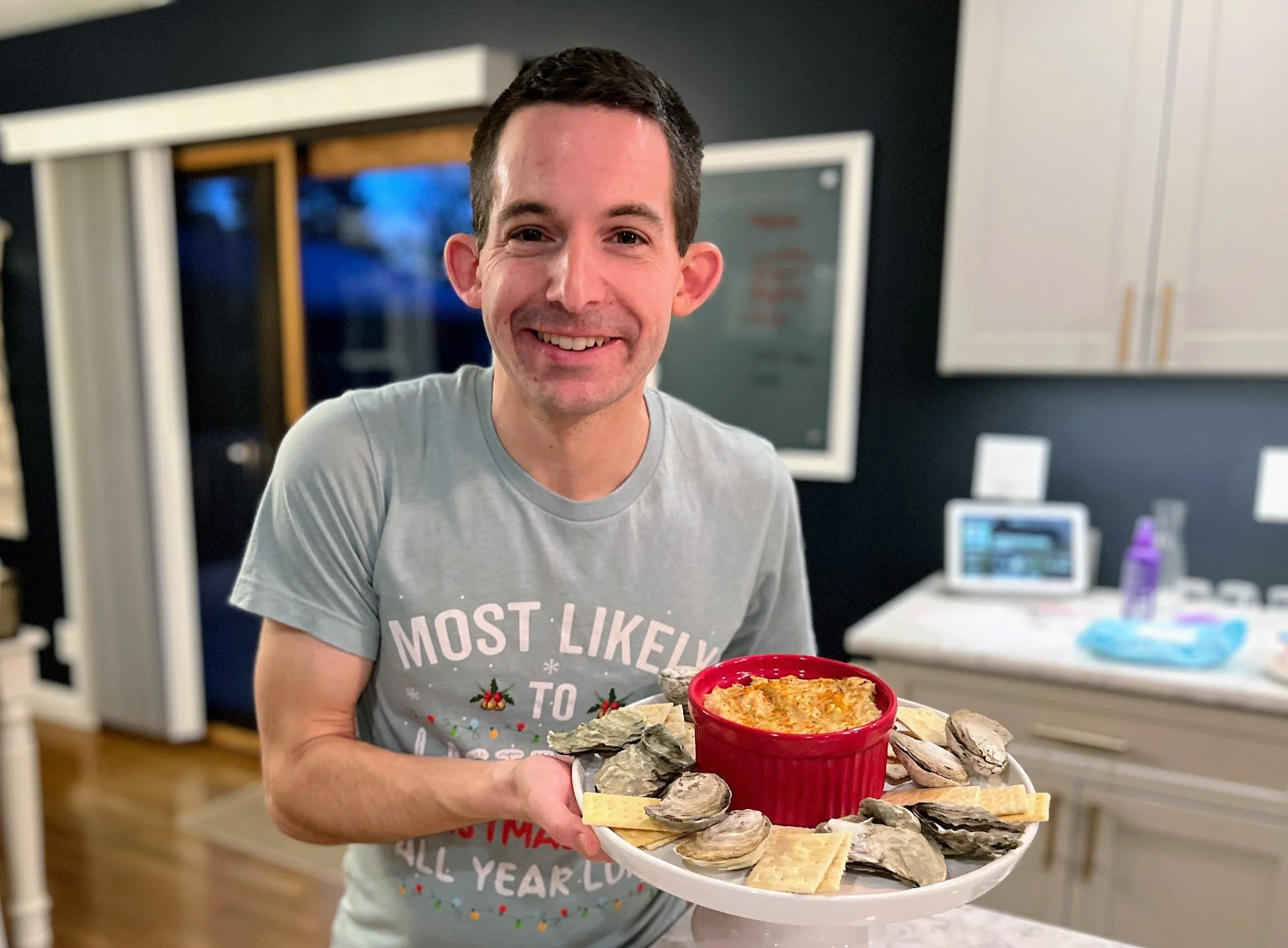
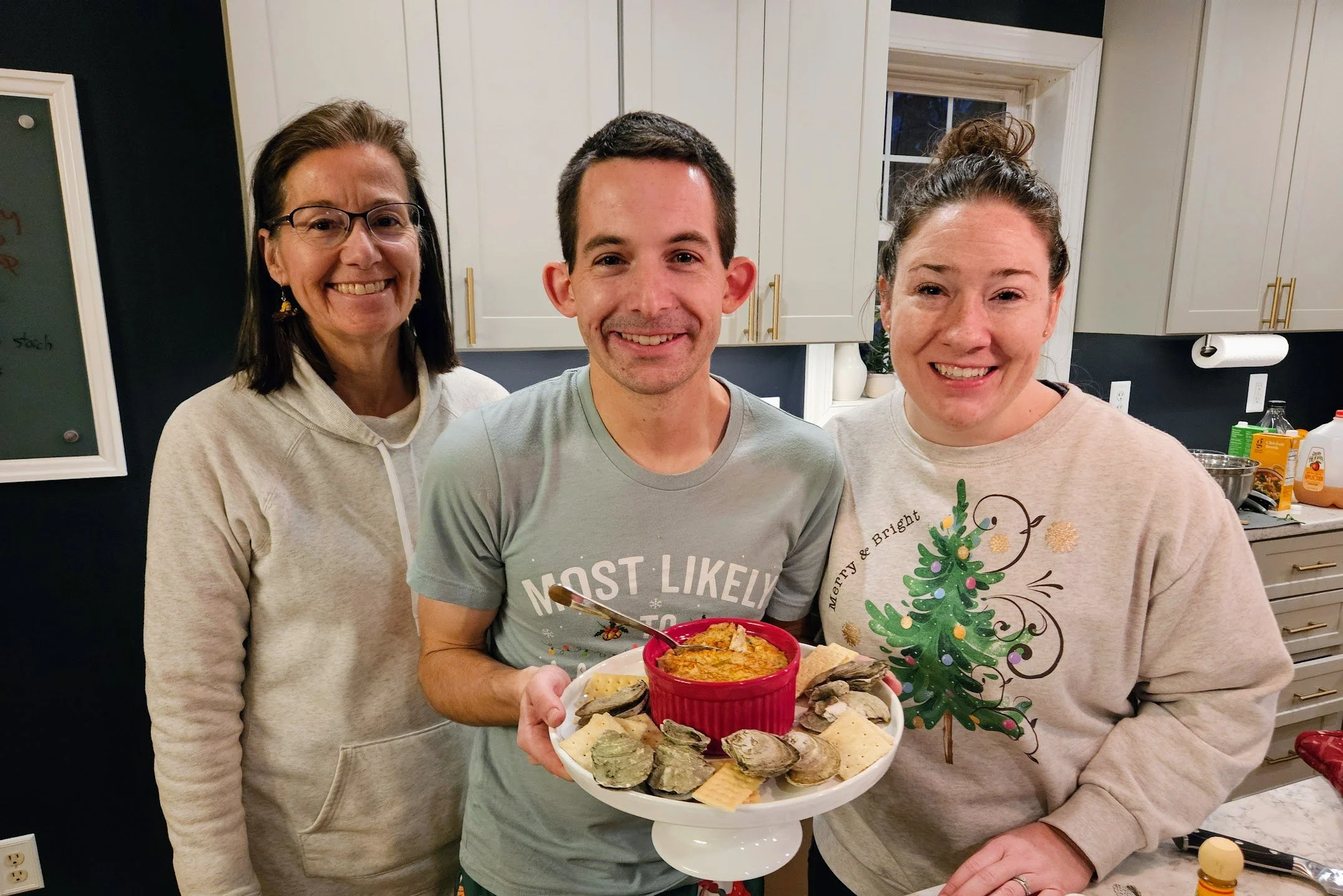
Snacks reflected the season’s ecology. Crab dip and an oyster roast tied directly to South Carolina’s winter oyster harvest, a tradition that dates back centuries and remains one of the most communal ways the Lowcountry celebrates December. Oyster roasts have long marked Christmas gatherings—neighbors, churches, and families clustered around steam tables, sharing food and stories
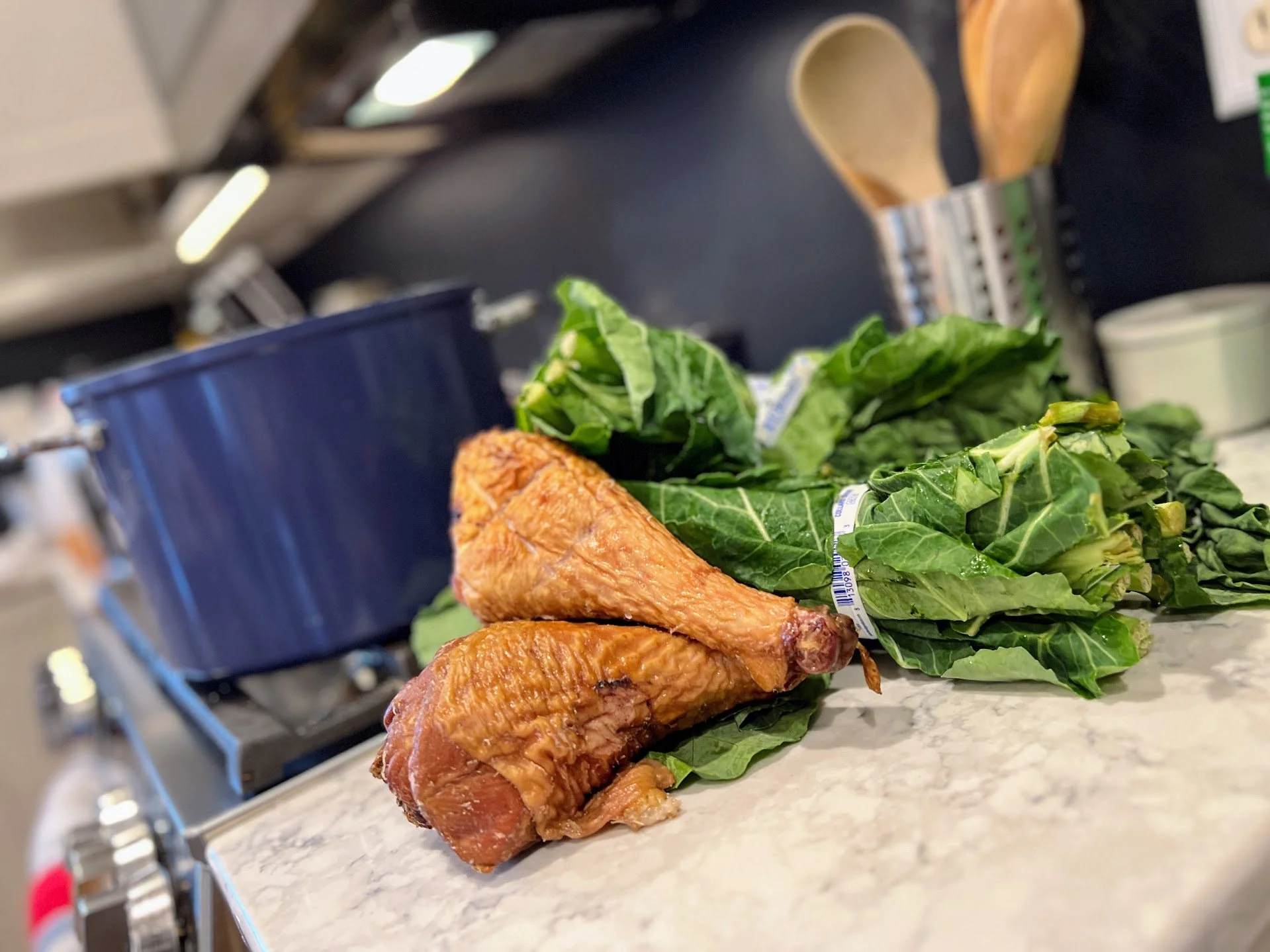
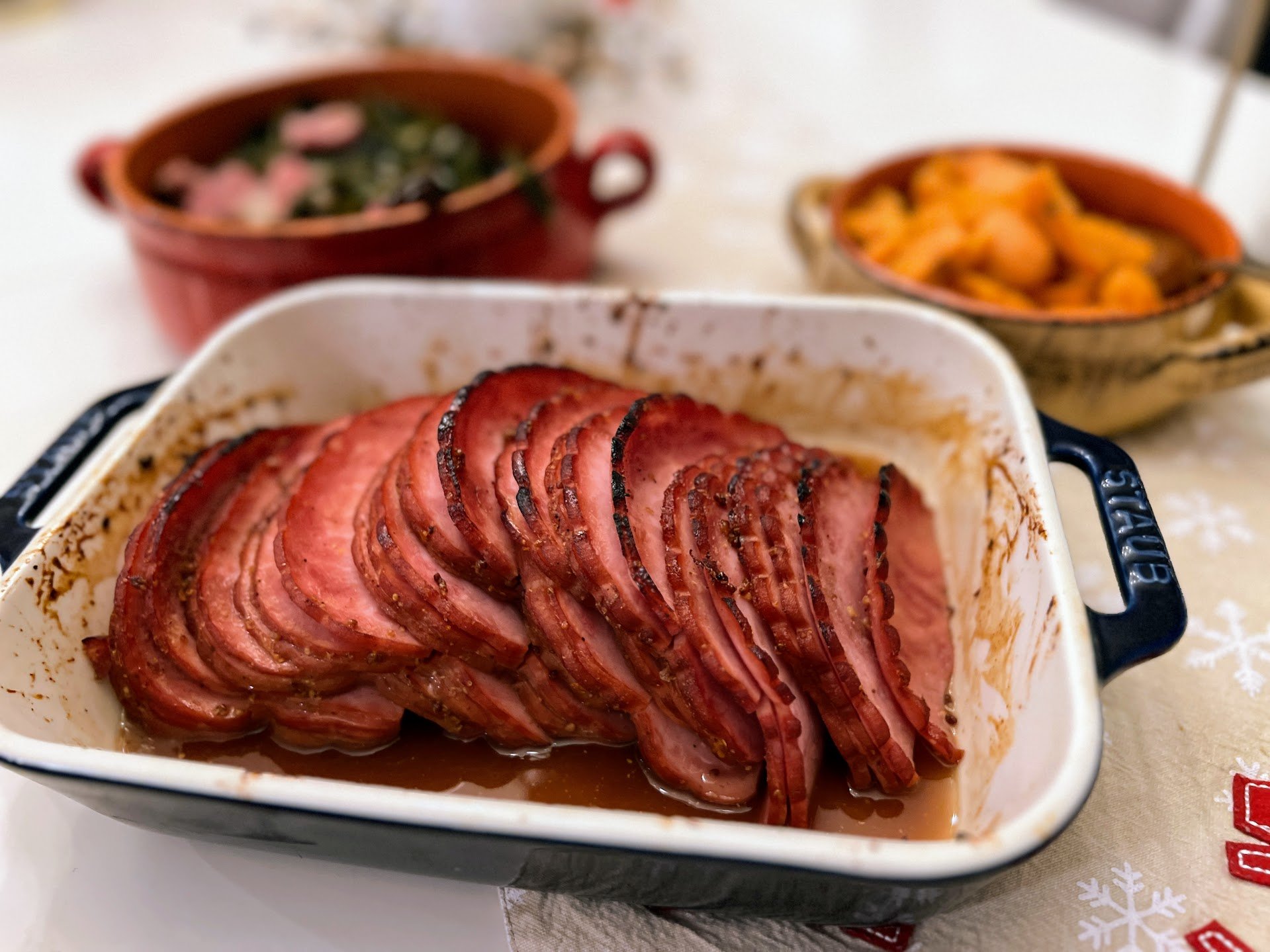
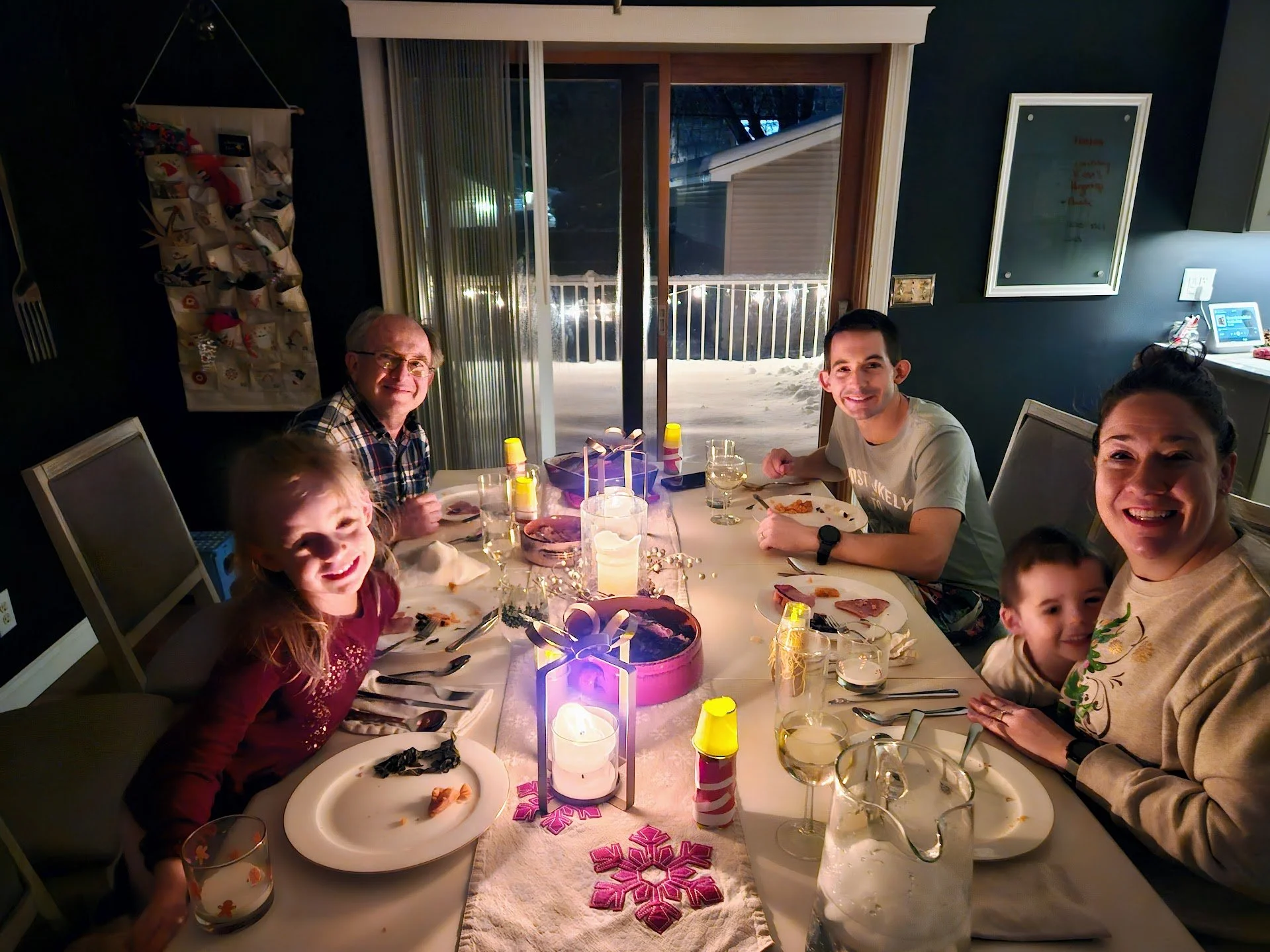
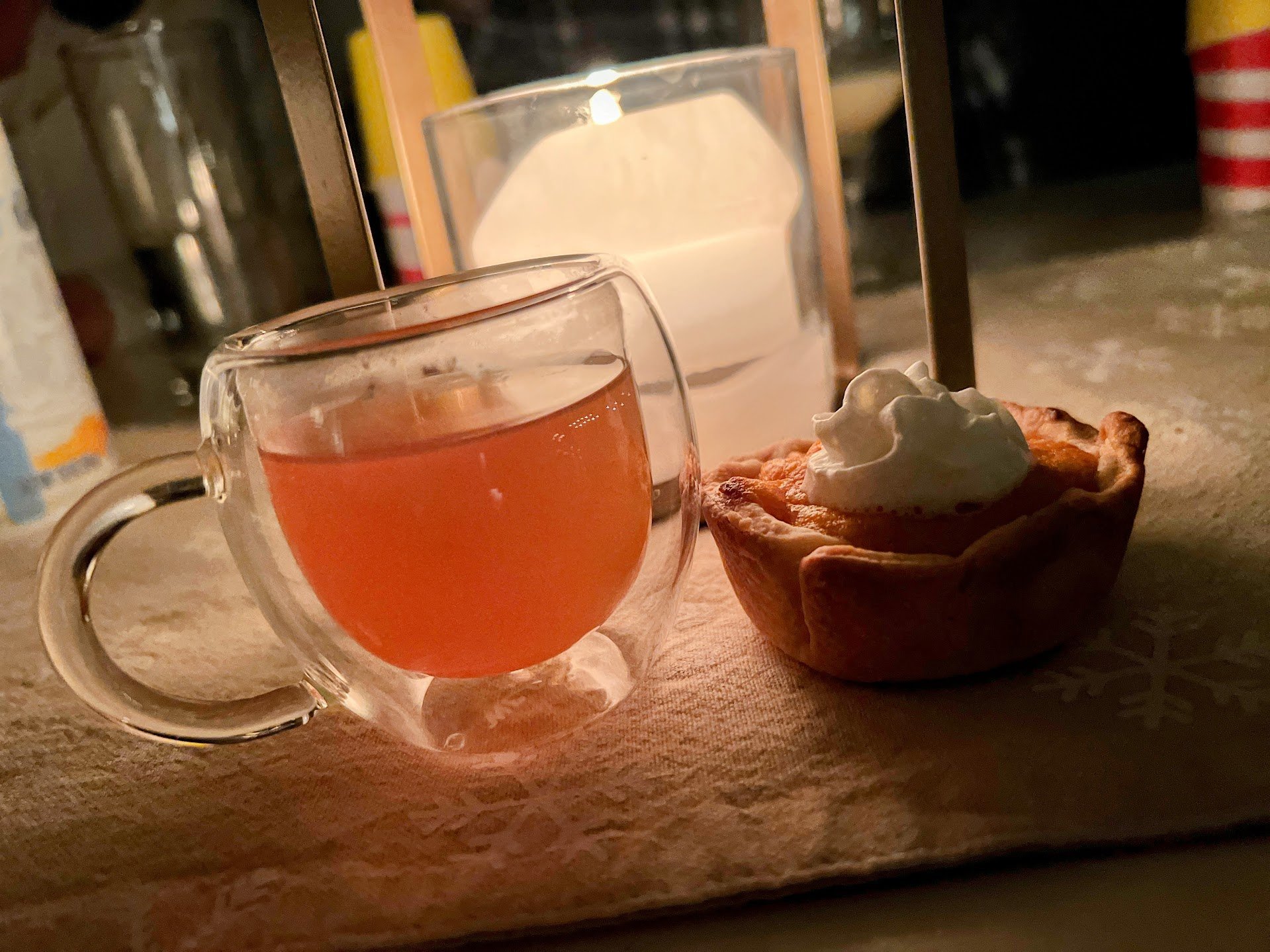
Dinner brought the day full circle. A baked ham with brown sugar–mustard glaze honored South Carolina’s long Christmas ham tradition, rooted in fall curing and winter abundance. Collard greens with smoked turkey legs and candied yams reflected African American holiday cooking traditions, where sweetness and slow-simmered greens symbolize both blessing and continuity. Dessert sealed it: sweet potato pie—more culturally central here than pumpkin—and sillabub, a colonial-era frothy dessert made with wine or Madeira, once common at Charleston Christmas tables
Drinks followed history, not novelty. Sweet tea wassail nodded to the Charleston Tea Plantation and the state’s defining beverage, while Madeira—Charleston’s favored fortified wine for centuries—closed the night. Its presence at Christmas once signaled refinement, global trade, and celebration, and it remains one of the clearest links to South Carolina’s colonial holiday palate
By the end of the day, the picture was clear. Christmas in South Carolina is not about snow—it’s about place. It’s rice instead of pine needles, oysters instead of roasts, carols shaped by spirituals, and mini golf under palm trees. This date wasn’t a novelty tour; it was a reminder that the Christmas story changes when geography, history, and culture are allowed to lead—and that the holiday is richer for it.
Activities
Poinsettia Table Accent & Joel Poinsett Backstory
Reading: “Santa’s Sleigh Is On Its Way to South Carolina”
Reading: “A South Carolina Christmas”
Rice Grain Snowflake Ornament Craft
Gullah Spirituals & Christmas Hymns Listening
Frank Incense’s Gold Rush at Myrrh-tle Beach’s Five Christmas Senses Challenge.
Kinetic Sand Play & Sandman
Mini Golf Courses Around the House
Candy Cane Lighthouse Craft
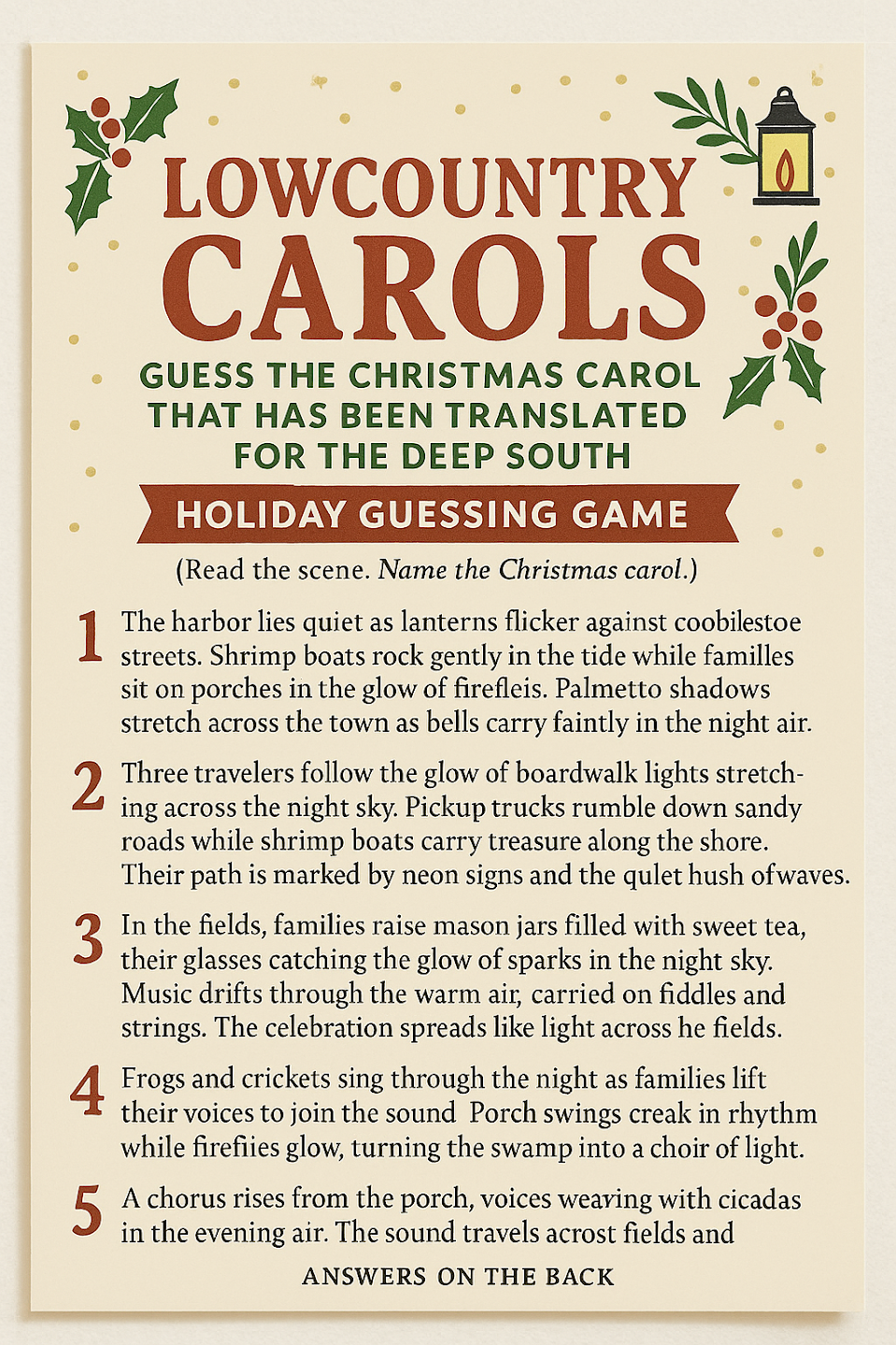
“SOUTHern Christmas CAROLinas” Game (Carols as Country Songs)
Scratch-Off Map: Candy Cane Lighthouse
Menu
Shrimp & Grits
Biscuits
Peach Bellini
Gullah Seafood Perloo (Rice with Shrimp)
Okra Soup or Stew
Black-Eyed Peas
Hoe Cakes
Crab Dip
Oyster Roast
Baked Ham with Brown Sugar& Mustard Glaze
Collard Greens with Smoked Turkey Legs
Candied Yams
Sweet Potato Pie
Sillabub (whipping cream with sugar, citrus, and Madeira wine)
Sweet Tea Wassail
Peach Sweet Tea Old Fashioned