The Feast of Dedication: A Hannukah Celebration
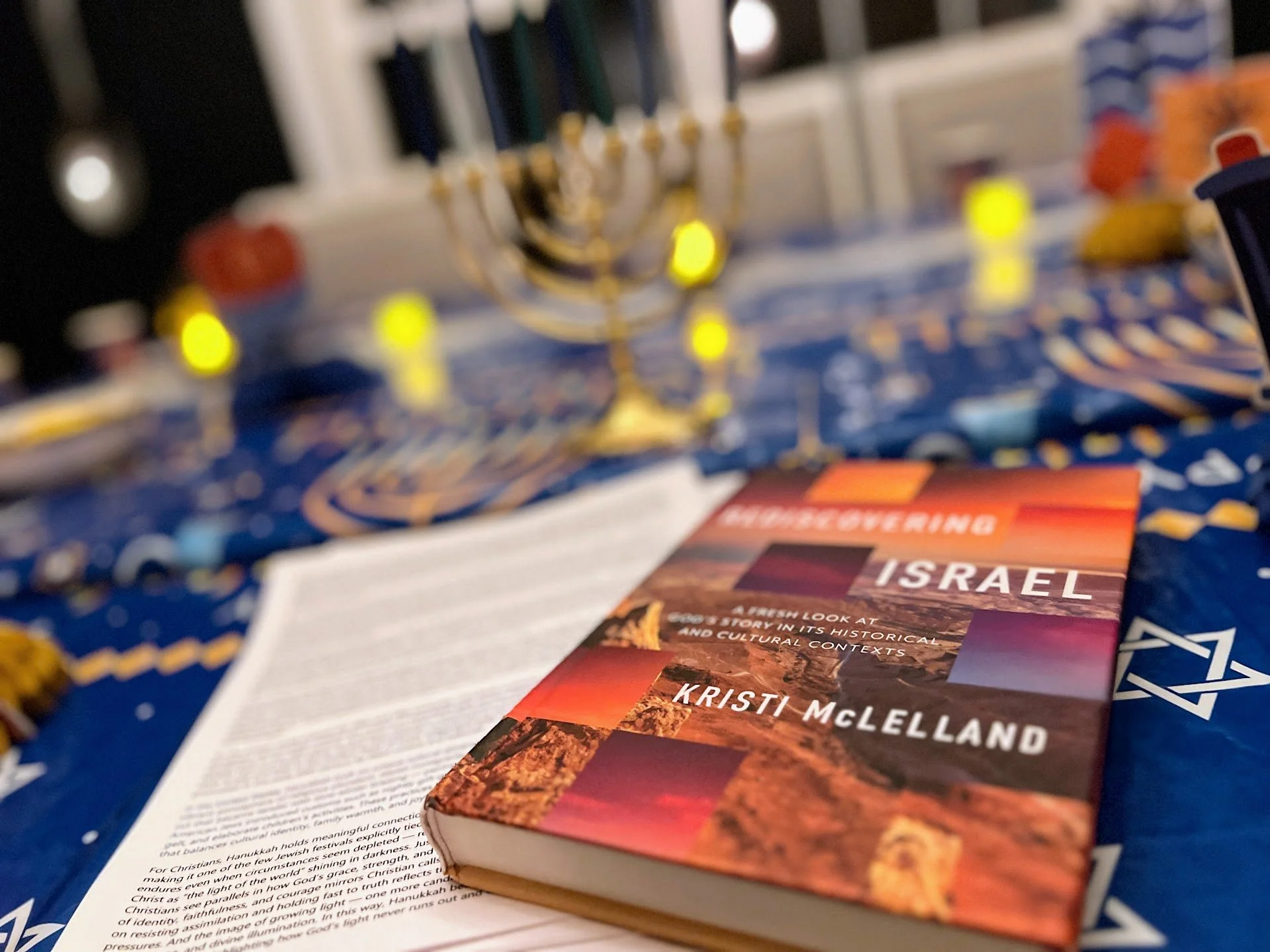
This evening grew out of rhythm rather than novelty. Our Lifegroup meets every other week in our home to open Scripture together and name the ways we see God at work in our lives. In the middle of December—when calendars are full, attention is thin, and even sacred things can feel rushed—we wanted to pause for a moment during our annual holiday festivities. Hanukkah offered a natural invitation to do just that. Not to claim it as our own celebration, but to step thoughtfully into a tradition Jesus himself knew, and to let its history and posture shape our reflection.
The Feast of Dedication is rooted in remembrance. It looks back to a moment when worship had been stripped away, the Temple defiled, and faith pressed nearly to extinction—yet God’s people endured. By Jesus’ lifetime, Hanukkah had become a winter gathering marked by light, storytelling, and table fellowship. The Gospel of John places Jesus in Jerusalem during this feast, walking in the Temple courts as the people remembered God’s faithfulness and rededicated themselves to Him. That context framed our night from the start: stepping into a tradition of light, faithfulness, storytelling, and remembering the moments when God , often miraculously kept the flame alive.
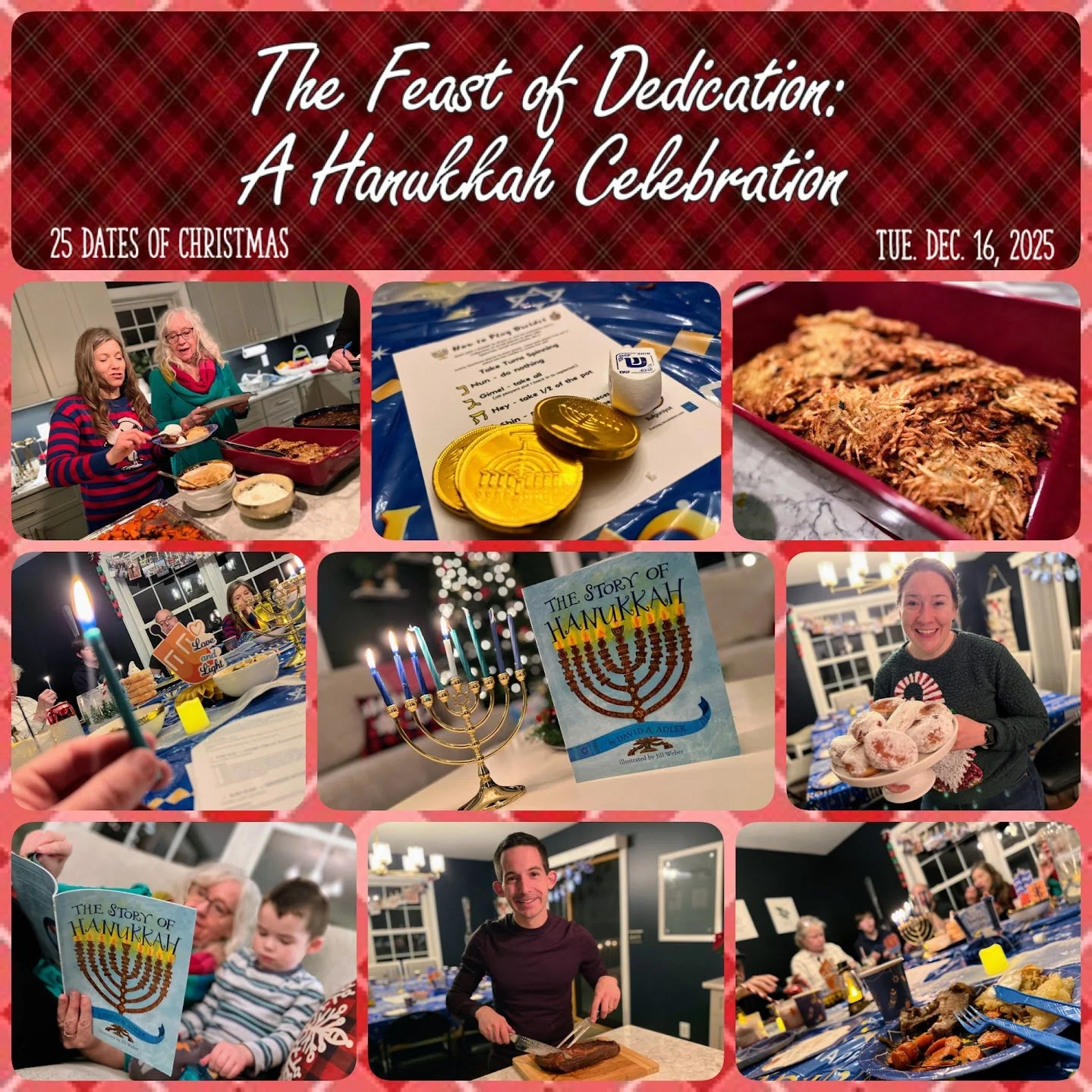
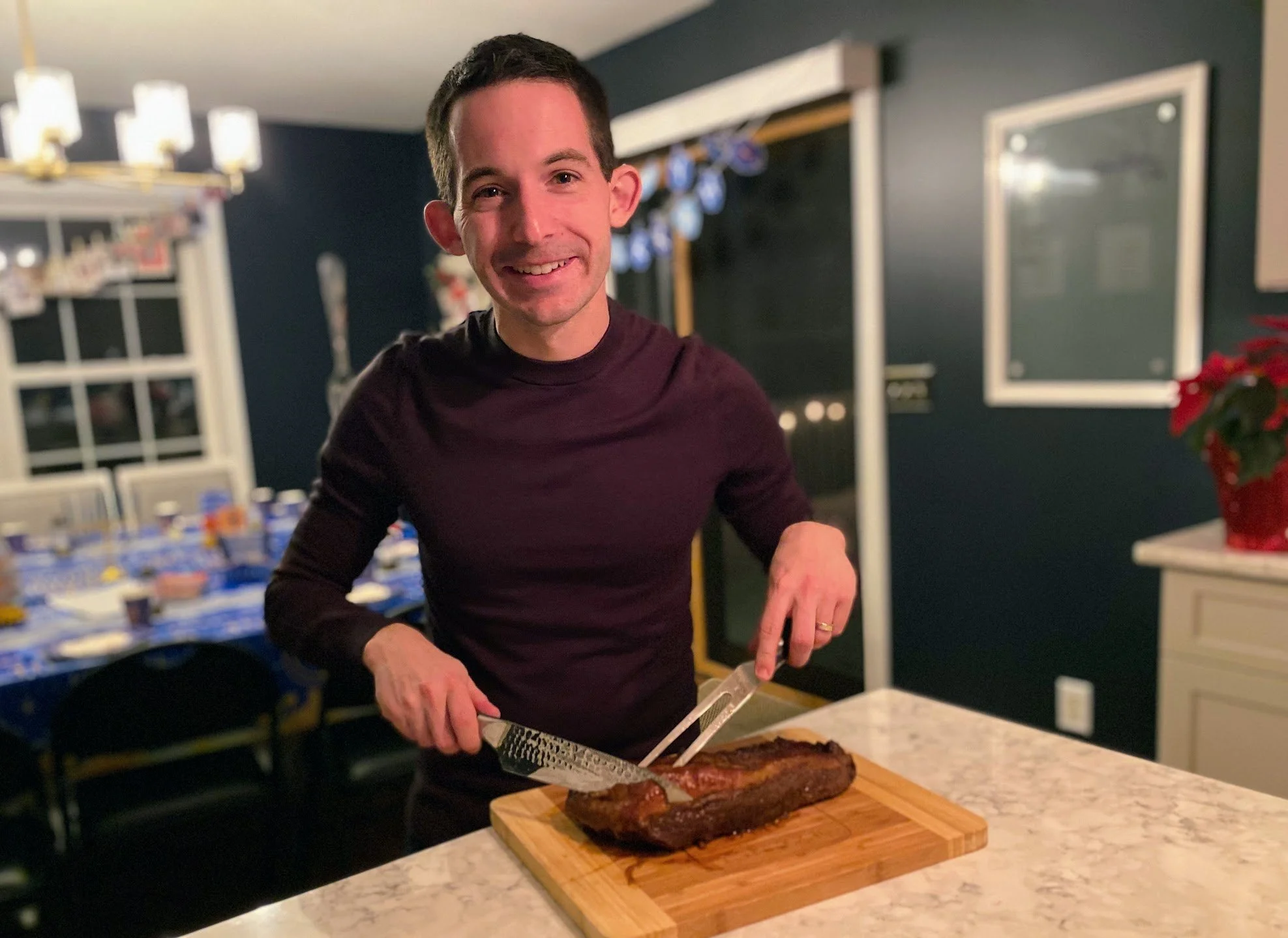
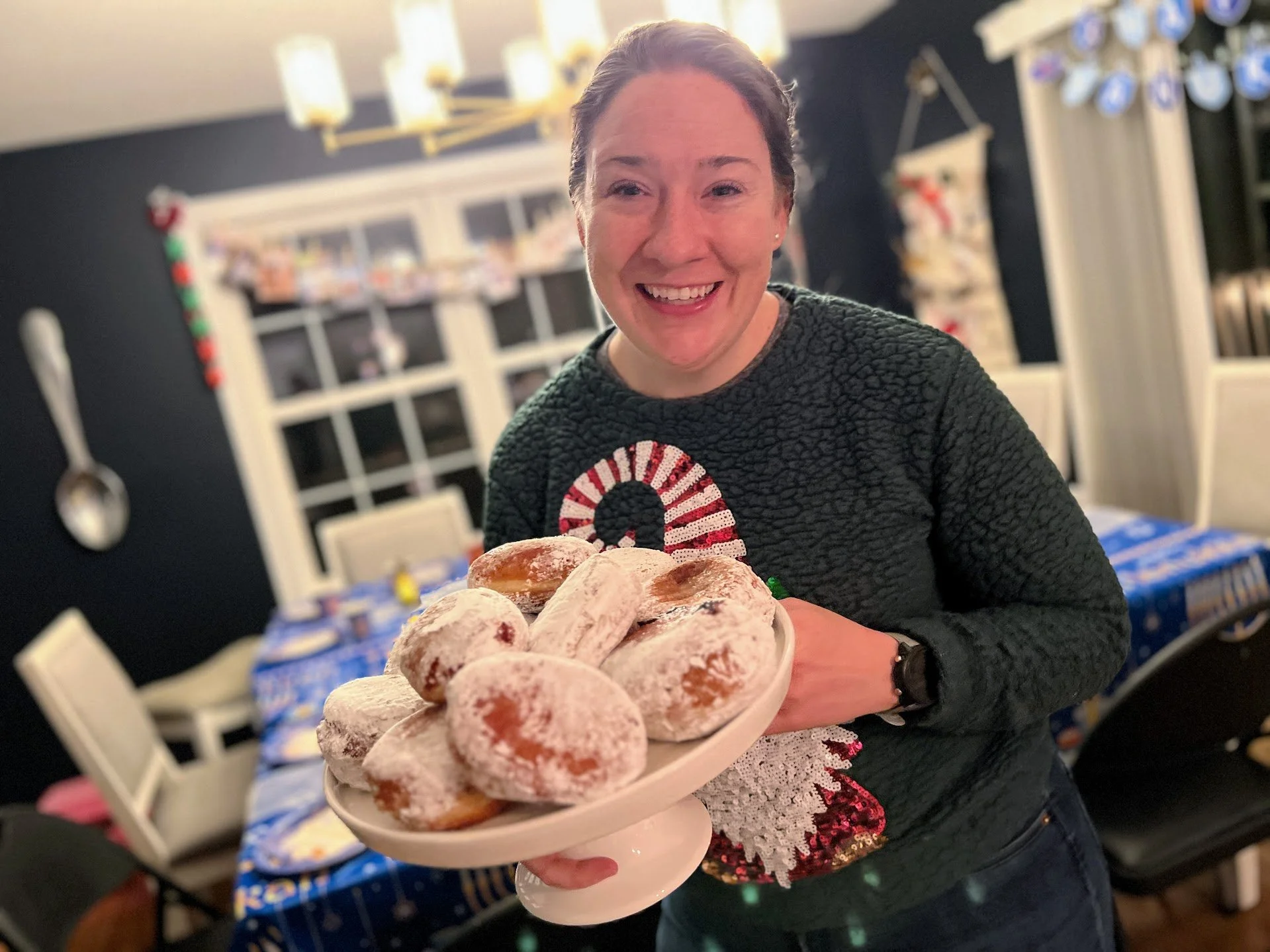
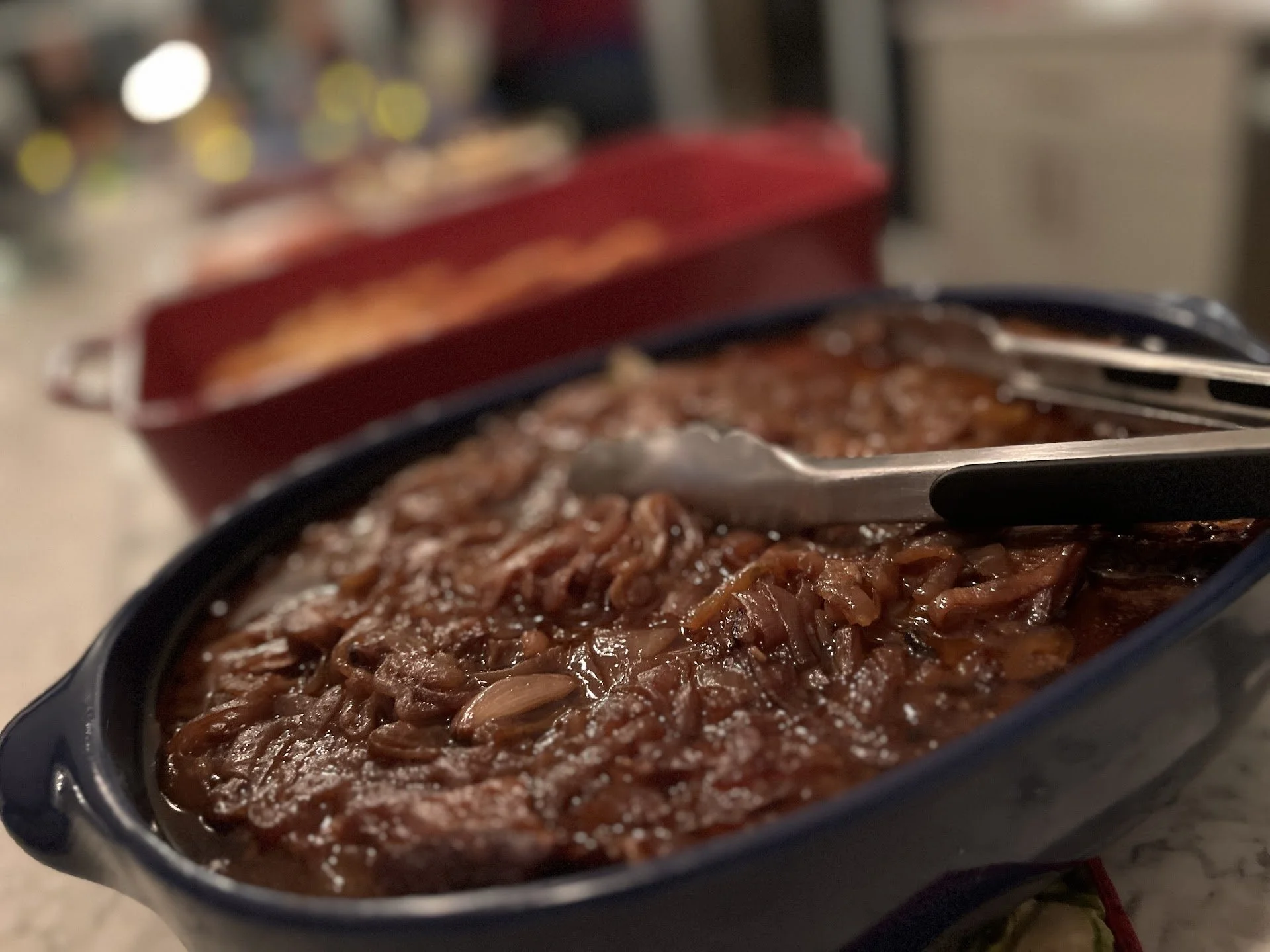
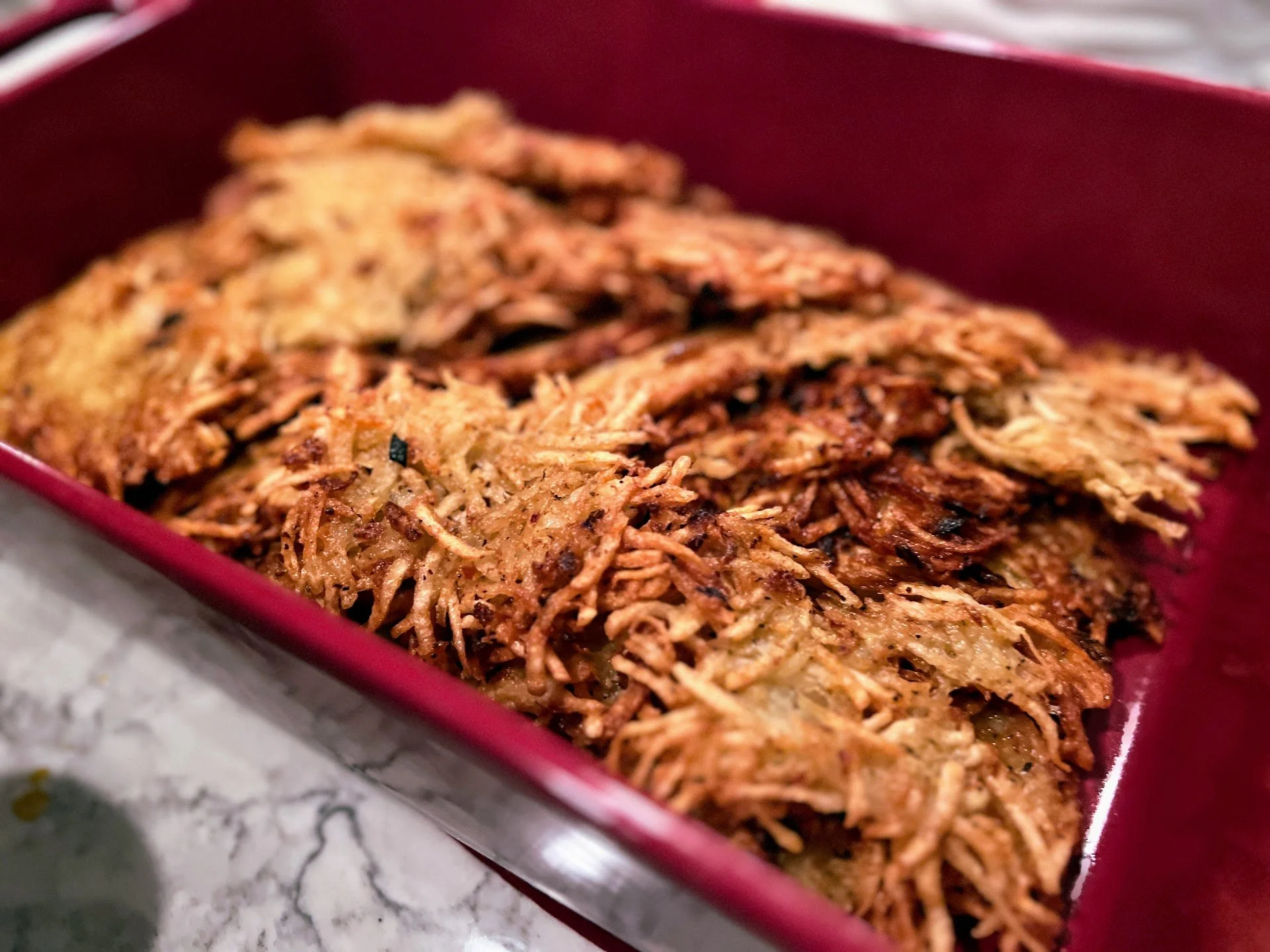
Preparation itself became part of the reflection. Bekah tracked down sufganiyot (the iconic jam filled donuts for Hannukah) from Bogart’s—no small task given their demand—so that dessert could carry the weight of tradition as well as joy. Ben started the brisket early, braising it low and slow for six hours until patience turned toughness into tenderness, a fitting metaphor for a feast shaped by endurance. And Greg valiantly took on the latkes, standing over hot oil, flipping and salting, turning simple potatoes into something communal and celebratory. Even before the candles were lit, the night had already slowed us down.
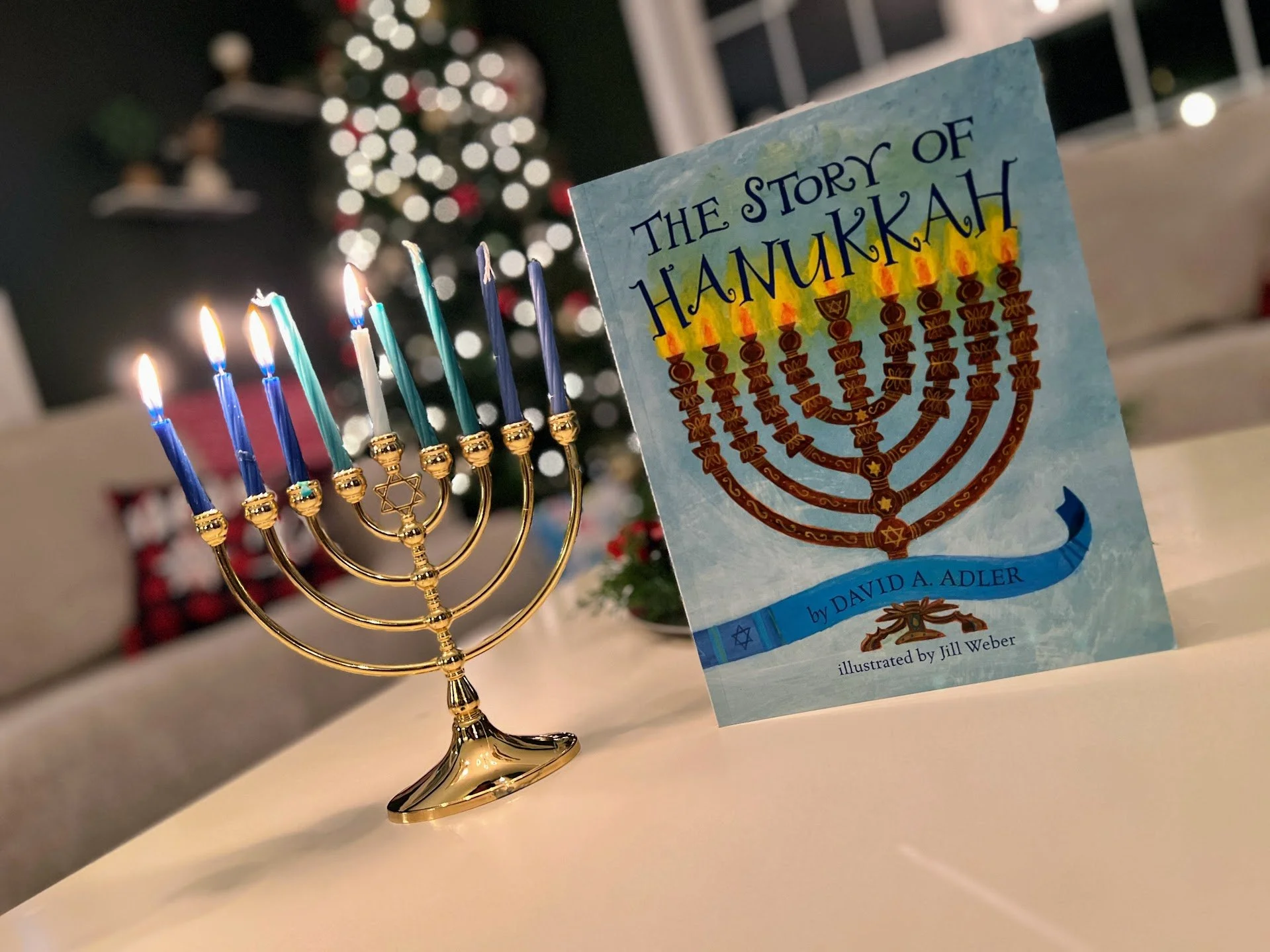
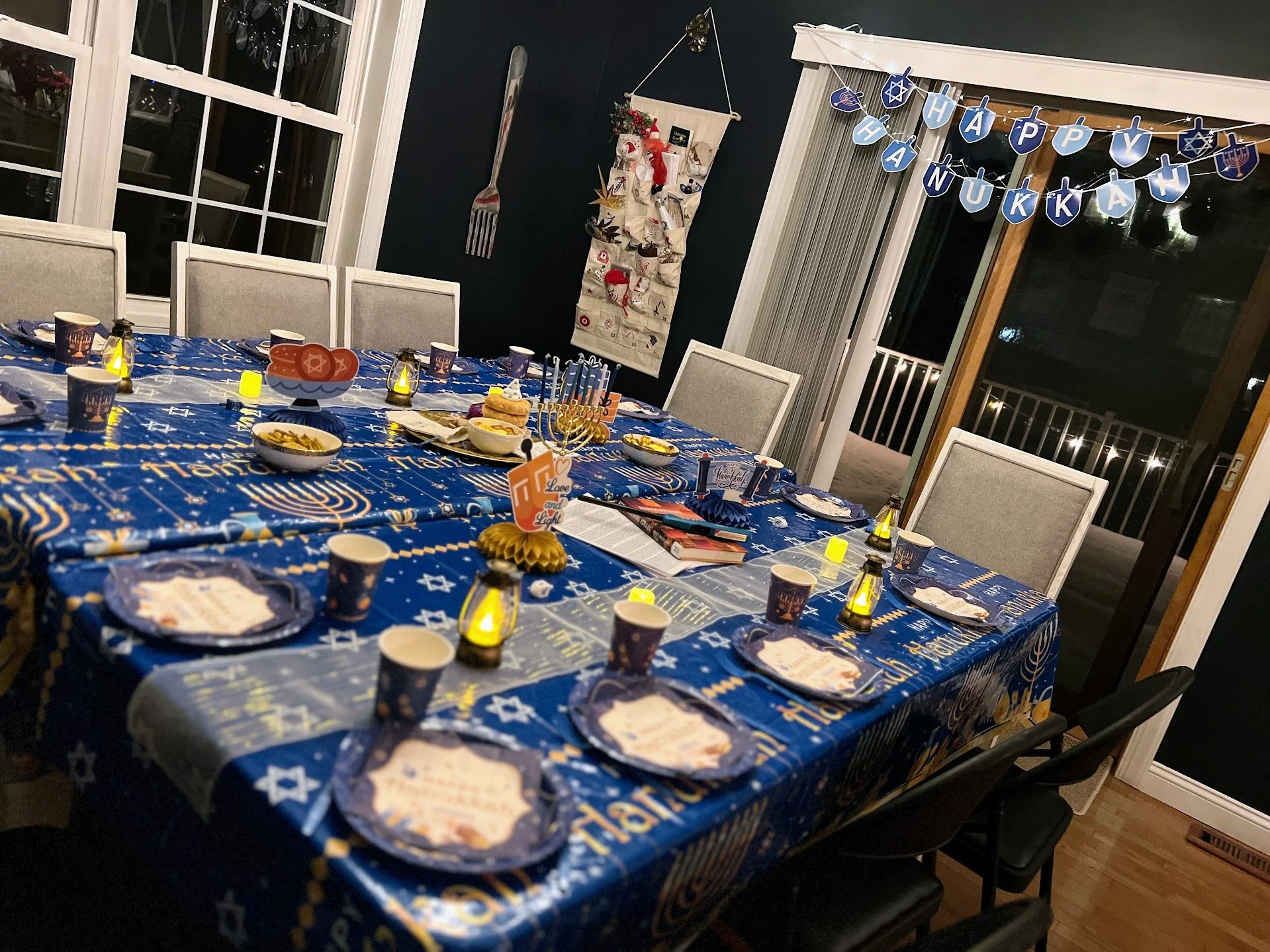
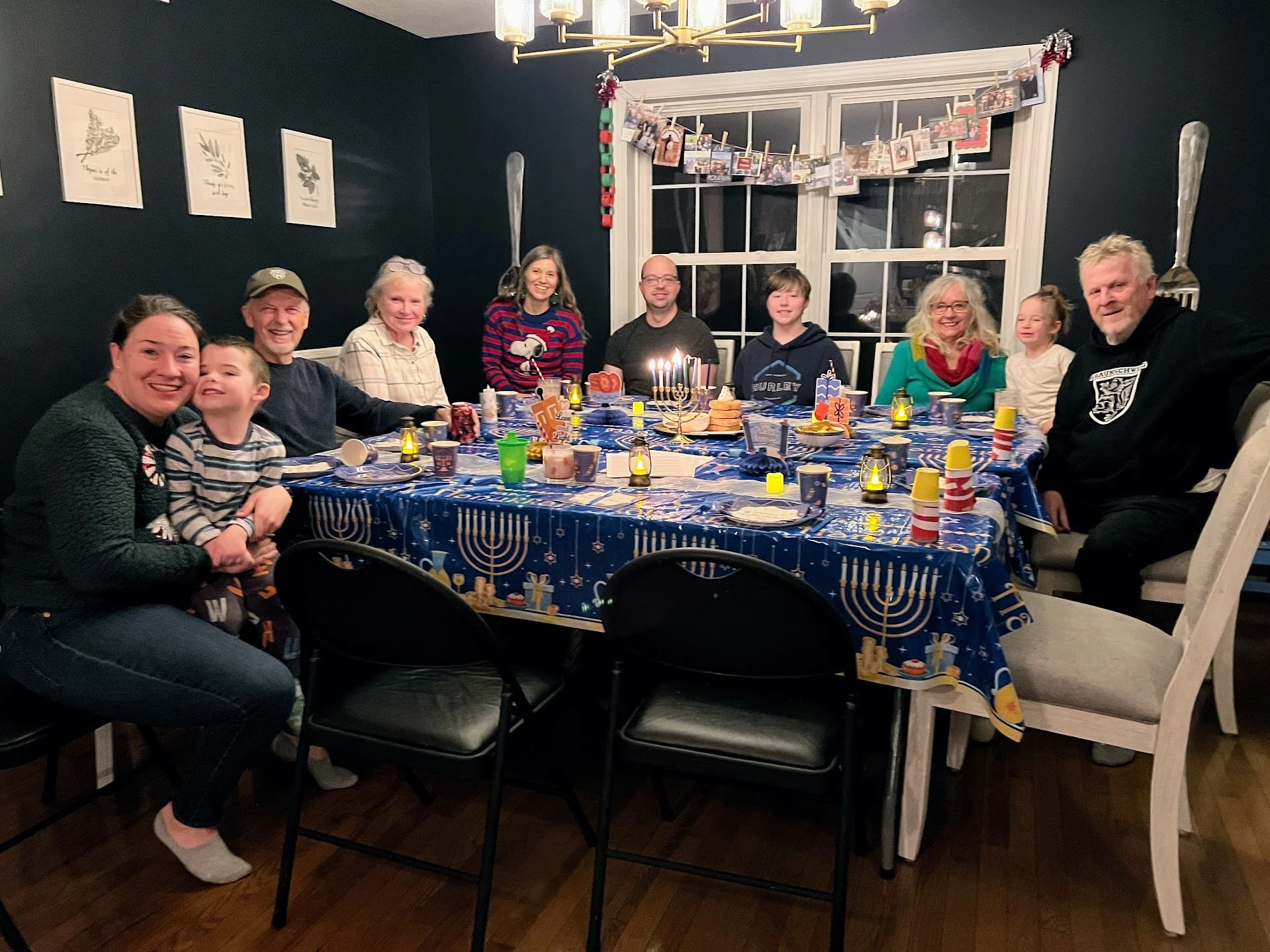
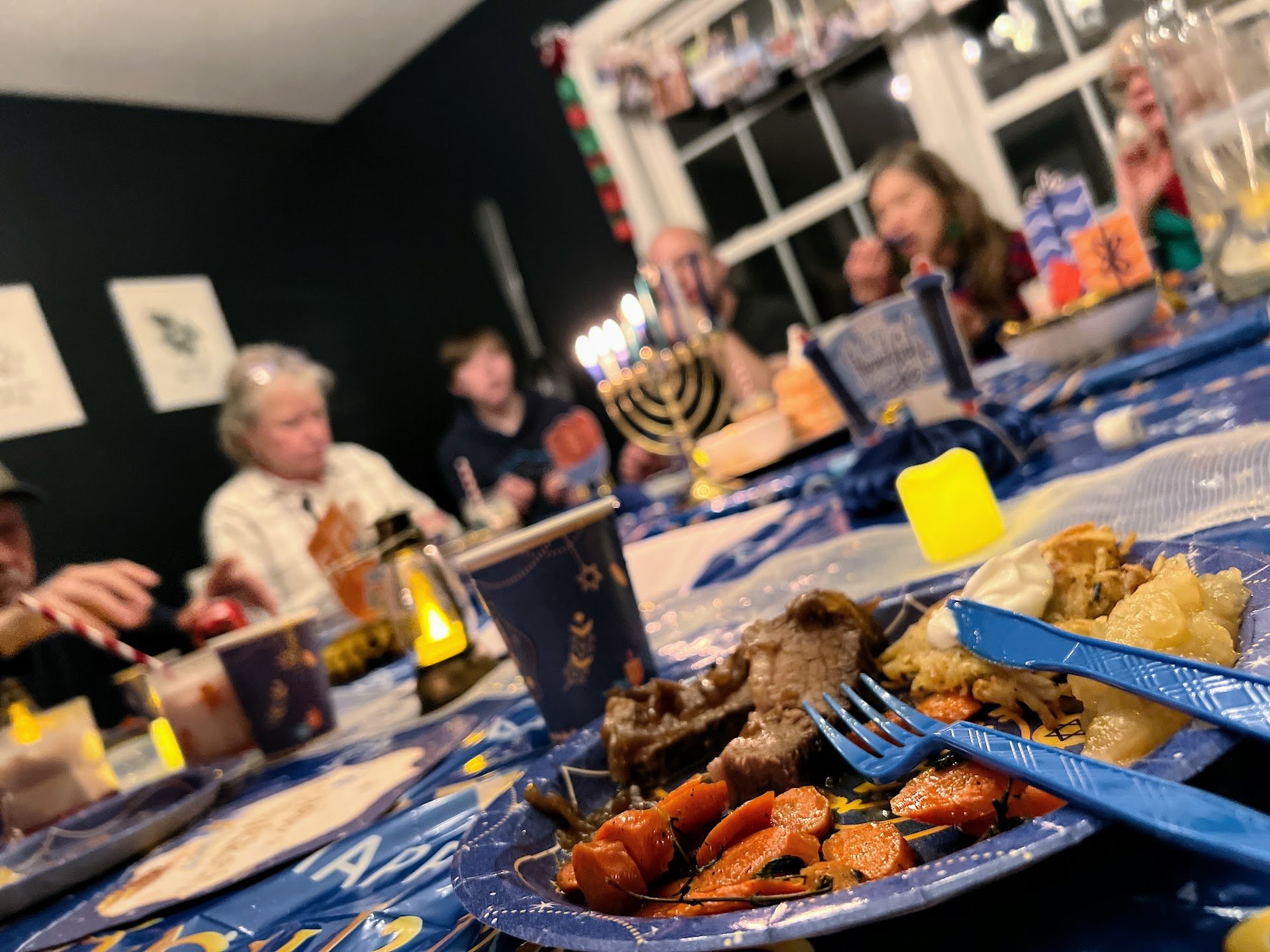
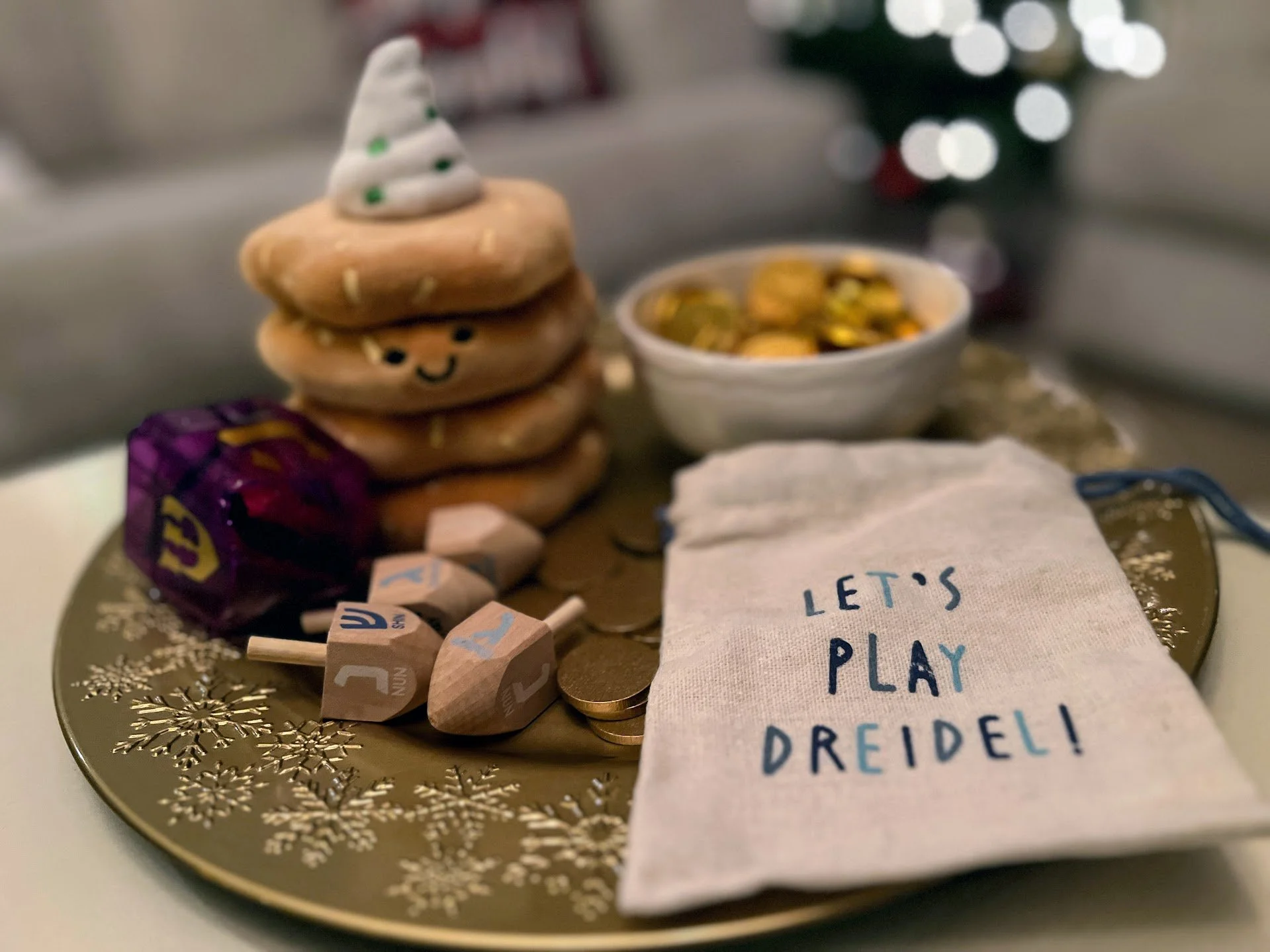
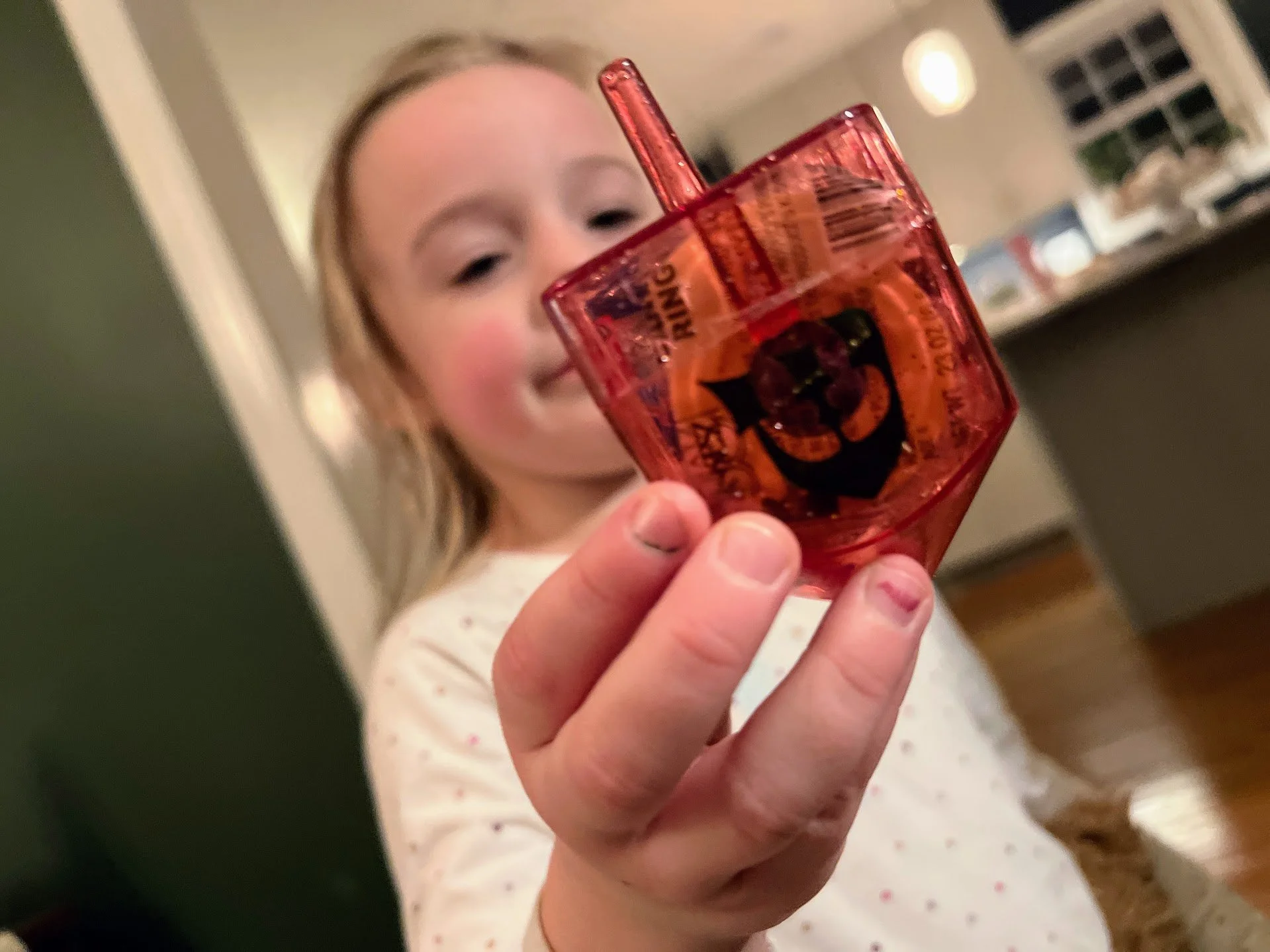
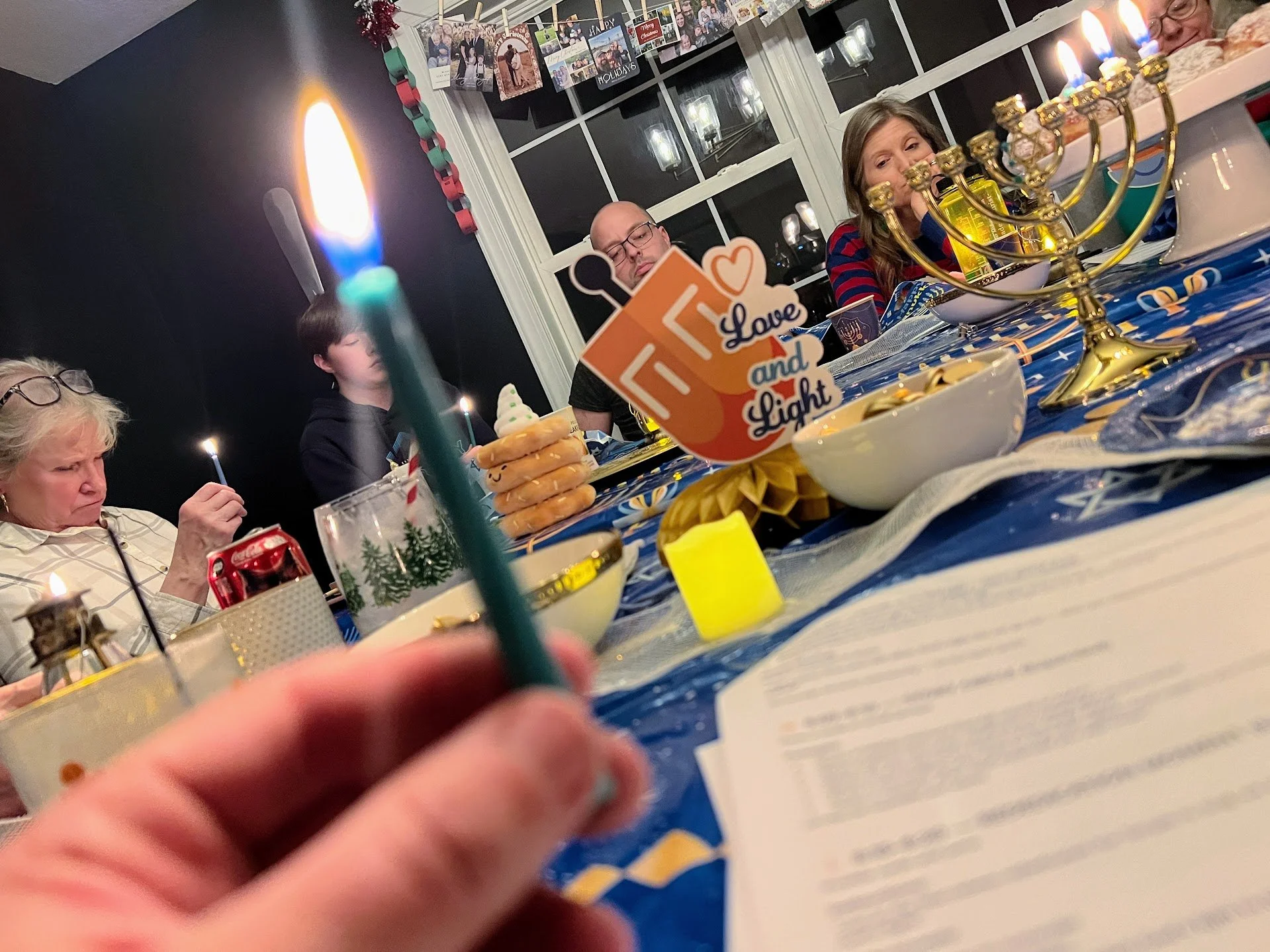
The table was set simply, in blues and whites, with candles and small lights casting a steady glow. Dreidels and chocolate gelt waited where hands could reach them easily. We began by lighting the menorah for the appropriate night, acknowledging that this ritual—developed after the Temple era—exists so the story of dedication and light could continue even without the Temple itself. One flame steadily grew until we had the shamash (helper candle) as well as three additional candles to mark today as the third day of Hannukah, and the room visibly changed as light accumulated rather than diminished.
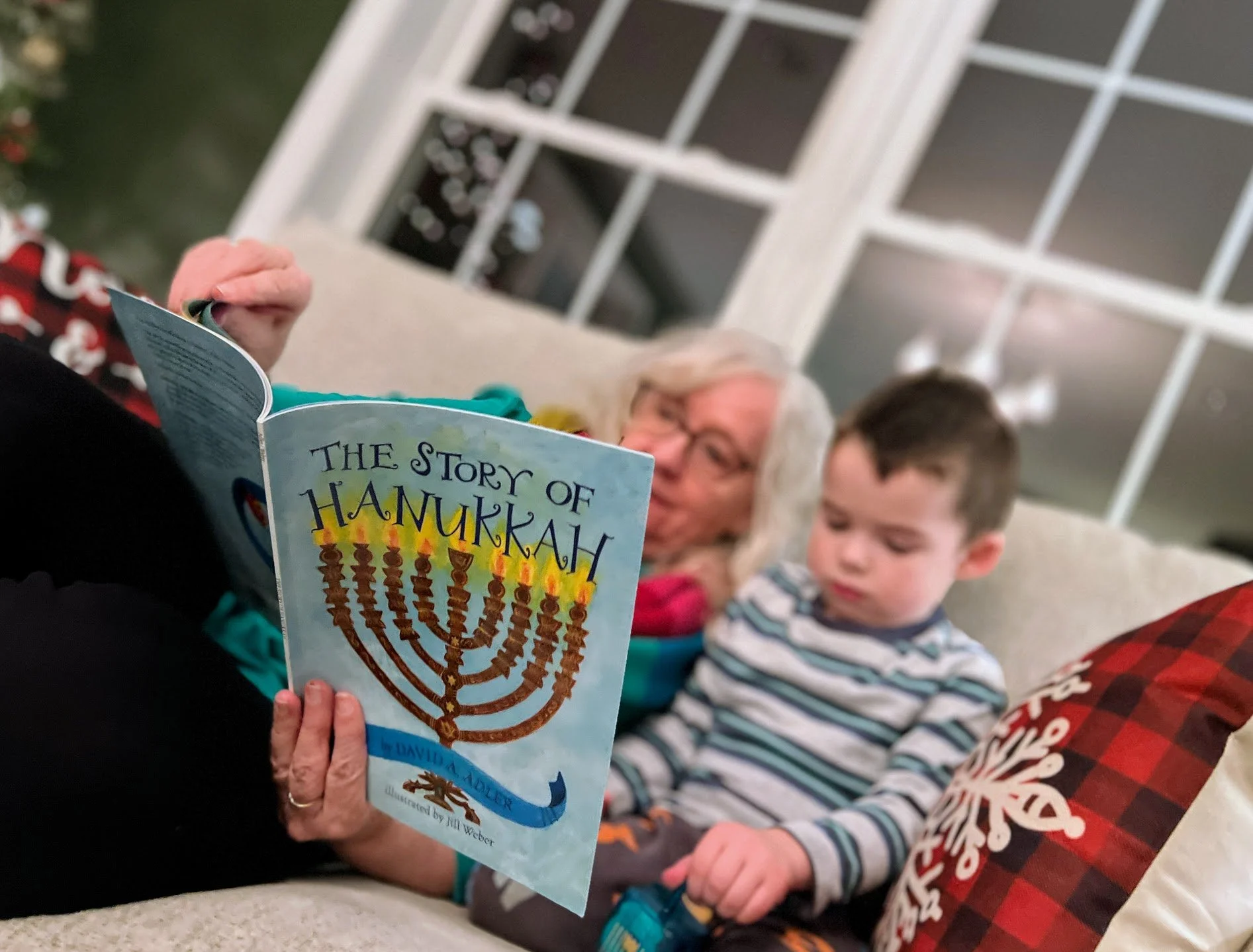
We told the Hanukkah story without rushing it. The Maccabees’ revolt was not tidy or triumphant in the way modern retellings sometimes suggest. It was costly, uncertain, and marked by long faithfulness before restoration came. Sitting together, we reflected on how Jesus would have heard this story not as distant history, but as a recently inherited memory—an annual reminder that God’s presence does not disappear when circumstances grow dark.
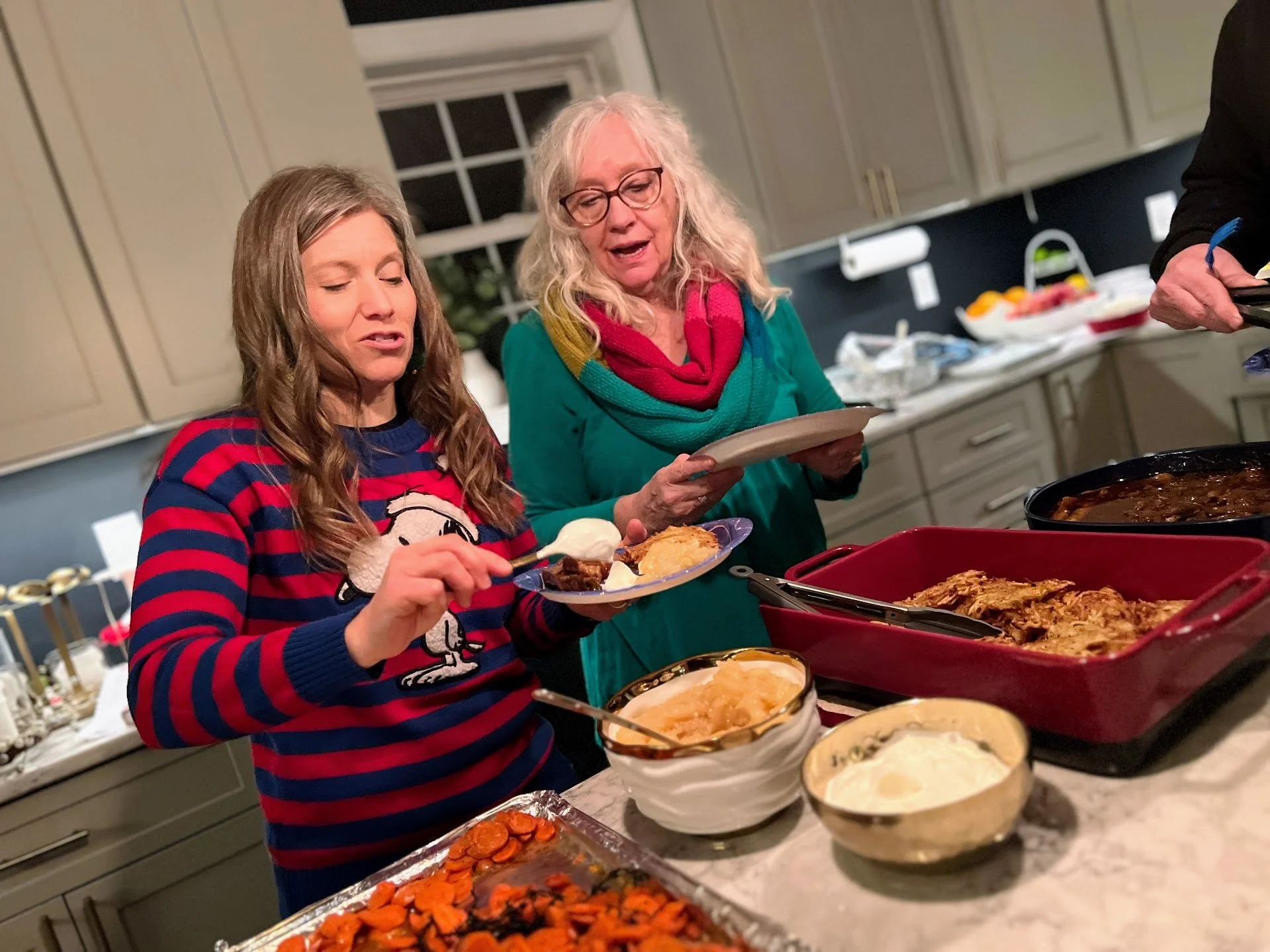
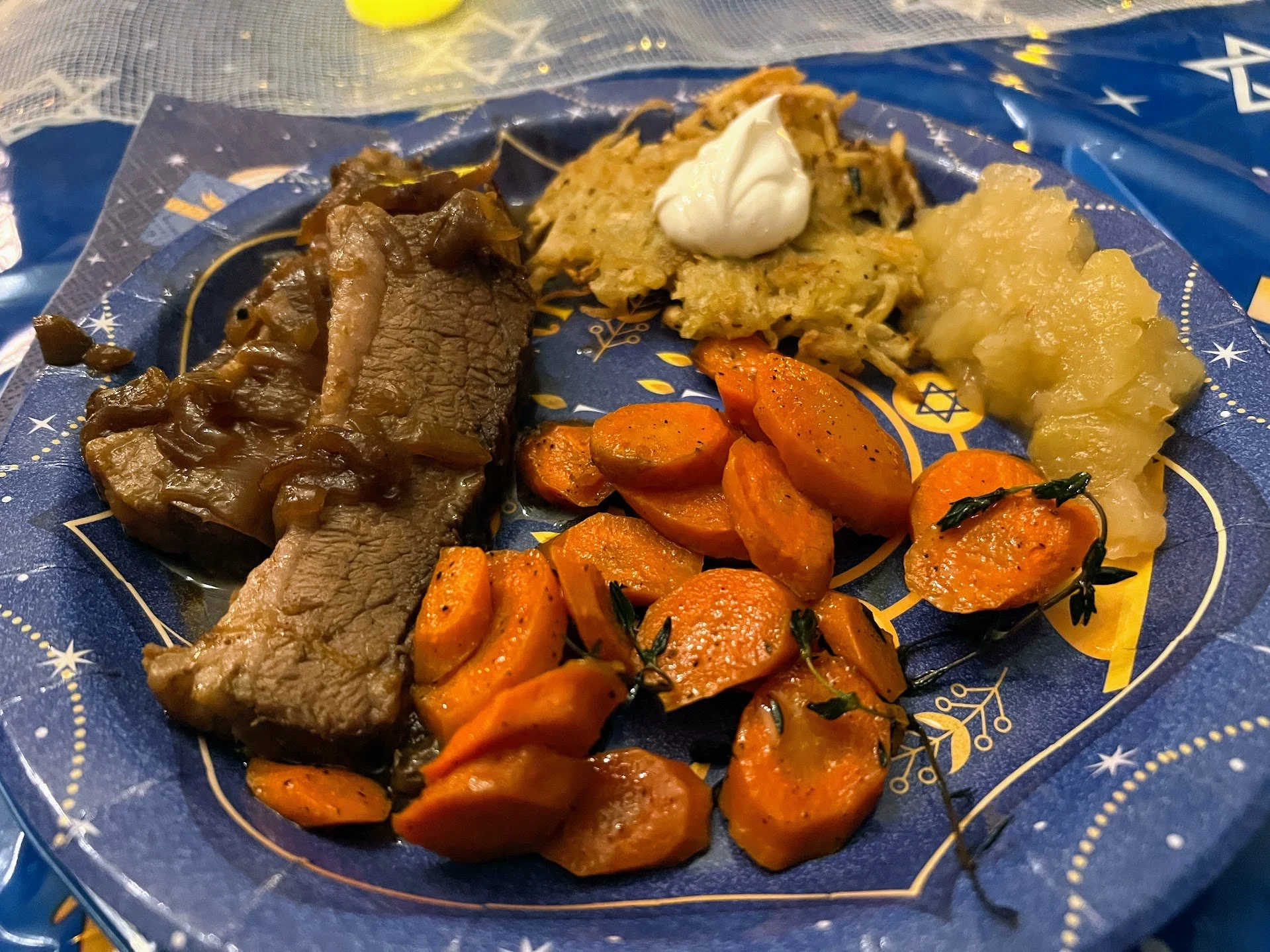
Dinner followed, anchored by the brisket, latkes served with applesauce and sour cream, and roasted carrots. The food mattered, but so did what happened between bites. One of the most beautiful aspects of Hanukkah is its emphasis on table fellowship. Families gather night after night to eat, laugh, play, and retell the story. We found ourselves doing the same—sharing where we have seen God move, breathe, and act on our behalf. In a season that often pulls people apart, the table pulled us back together.
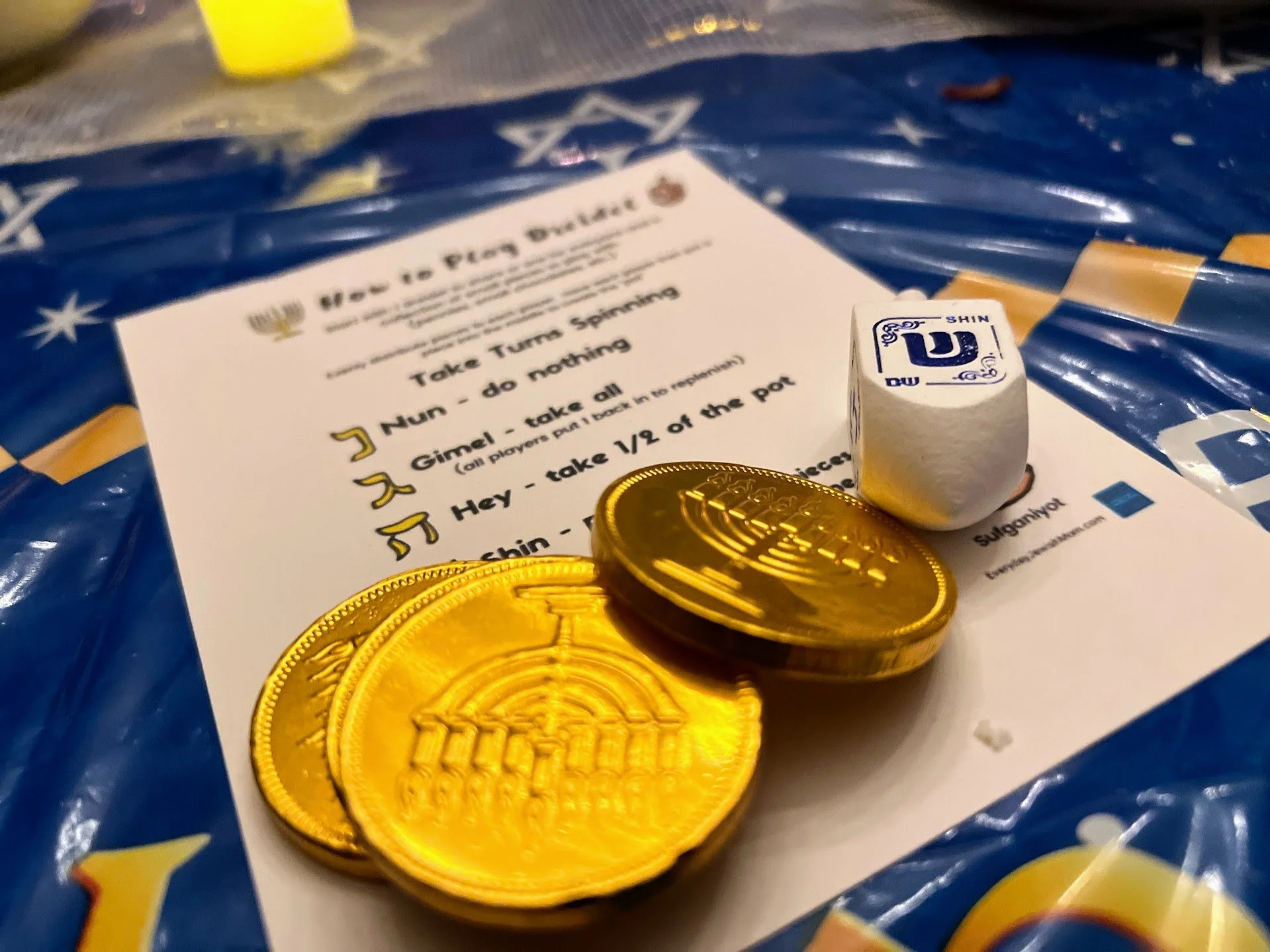
After dinner came laughter—dreidel spins, cheers when chocolate gelt changed hands, groans when it didn’t. Then sufganiyot appeared, dusted to perfection, a sweet punctuation mark on the evening. But the heart of the night arrived quietly. For all our efforts to reflect the modern elements of Hannukah through decorations and foods and games, and to learn where they originated, we never wanted to lose sight of the true meaning and to dedicate time to God showing up in our lives and spreading light in the darkness, just like the Feast of Dedication focuses on.
And so….. we paused…. Candles flickered. The room stilled. In silence, each of us reflected on where God’s light has shown up in our lives and refused to go out—moments when provision arrived unexpectedly, when endurance outlasted fear, when faith held even as answers delayed. Just as the Maccabees rededicated the Temple, we each considered what might need rededication now: a habit, a fear, a relationship, an area of life asking for God’s light again.
That pause mattered. Christmas can be one of the busiest seasons of the year, and yet Hanukkah’s unfolding nights insist on space—space to remember, to gather, to reimagine our stories in light of God’s faithfulness. Holding our candles together, we closed the evening with a shared prayer, asking that the God who kept the lamp burning would keep His light burning in our homes, our hearts, and our stories—and that Jesus, the Light of the World, would shine upon us and through us.
It was not loud. It was not hurried. It was a night of learning, honoring, and remembering—an intentional pause that reminded us that God’s light does not flicker out when the oil seems low. It keeps burning.
Menu
Braised Brisket
Latkes with Sour Cream
Homemade Applesauce
Roasted Carrots
Sufganiyot (Jam Donuts)
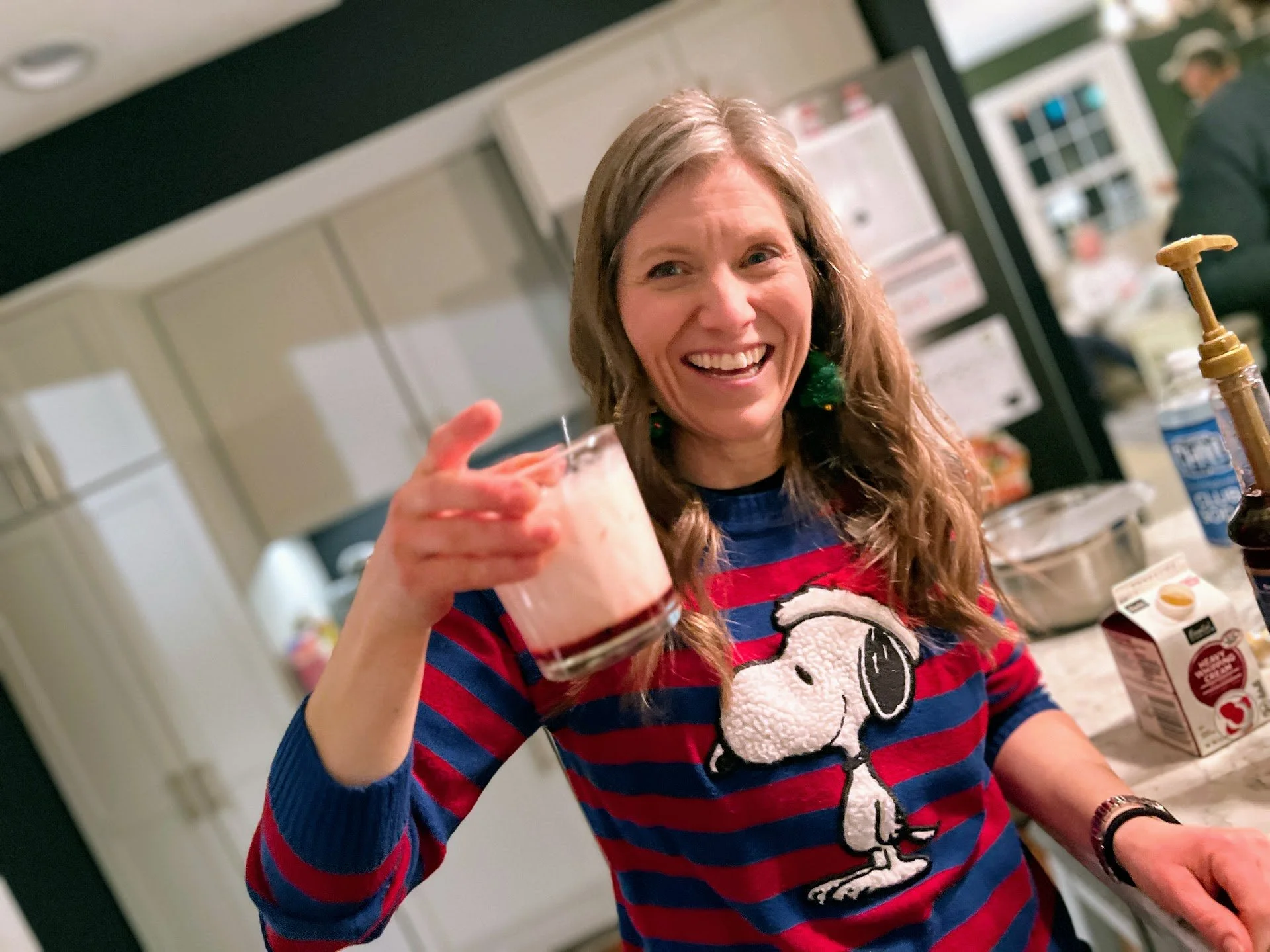
Cream Sodas
Chocolate Gelt
Activities
Menorah Lighting & Hanukkah Storytelling
Candlelit Table Fellowship & God Stories
Dreidel Tournament with Chocolate Gelt
Guided Reflection on God’s Faithfulness
Silent Rededication Moment by Candlelight